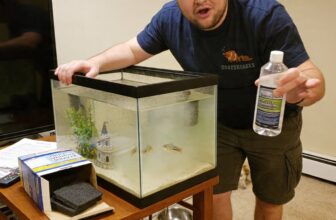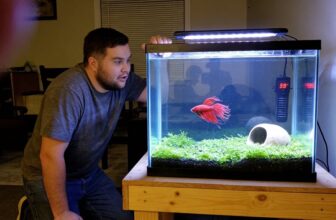
How to clean a betta fish tank—and stretch time between cleanings—starts with working smarter, not harder. A 10-gallon setup dilutes waste more effectively than a cramped bowl, letting you swap to bi-weekly 10–20% water changes instead of weekly duties. Overfeeding is the silent killer here; uneaten food rots fast, spiking ammonia past 0.25 ppm and crashing your cycle. Stick to a pinch per meal—your betta’s stomach is tinier than you think. Low-flow filtration and a simple gravel vacuum ($10–$15) handle debris without stressing those flowing fins. Rinse filter media in old tank water only; tap water’s chlorine wipes out your beneficial bacteria colony. Smaller, consistent habits beat marathon scrub sessions every time.
At A Glance
- Use a 5-gallon or larger tank to slow ammonia spikes.
- Choose a triple-filtration system to reduce waste buildup between cleanings.
- Stick to a pinch of food per meal to minimize excess decaying waste.
- Perform weekly 10-20% water changes to maintain stable, low nitrate levels.
- Rinse filter media only in old tank water to preserve beneficial bacteria.
Why Cleaning a Betta Tank Is Non-Negotiable
Since a betta’s survival depends on clean water, skipping tank maintenance isn’t just lazy—it’s dangerous.

Know your ammonia, nitrite, and nitrate levels so water changes happen on time.

Instantly detoxifies ammonia and nitrite, making every water change safer for your betta.

Starts with a pinch-ball; pulls waste from gravel quickly, so water changes take minutes.
Check discounted items inAquarium Supplies
A neglected tank invites a Planaria outbreak—those tiny, flat worms that irritate fish gills—and Snail overpopulation, which spikes waste.
You belong to the group that doesn’t let their betta swim in a biological mess.
You belong to the group that doesn’t let their betta swim in a biological mess.
Regular water changes prevent ammonia from hitting toxic levels.
Vacuuming gravel removes the decaying leftovers feeding those pests.
Test kits confirm your tank is stable; clear water can still harbor hidden chemicals, and ammonia levels above 0.25 ppm are unsafe for freshwater fish like bettas.
Using a reliable 8‑in‑1 test kit ensures you catch imbalances before they harm your fish.
It’s a small, consistent effort that rewards you with a thriving, safe environment for your fish.
Ammonia, Nitrites, and the Nitrogen Cycle Explained
So that previous bit about cleaning wasn’t just nagging—it’s the direct result of something called the nitrogen cycle. Fish waste turns into ammonia, which is toxic. Beneficial bacteria then convert that into nitrite (still toxic) and finally into nitrate (safe at low levels). Water changes remove nitrate-rich water, keeping your betta healthy.
This cycle further helps with algae control and phosphate management, since excess nutrients fuel unwanted growth. Without regular cleaning, ammonia spikes—killing your fish fast. Master the cycle, and you’re part of a savvy keeper crew. It’s science, but for your buddy. To safely handle these spikes, you can use a chemical conditioner like Seachem Prime to temporarily detoxify ammonia for 48 hours. For enhanced physical recovery during water changes, a conditioner with aloe vera additive promotes faster fin healing and slime-coat protection.
Why Small Tanks and Overfeeding Make Cleaning Harder
| Mistake | Effect on Water | Cleaning Frequency |
|---|---|---|
| Small tank (<5 gal) | Ammonia spikes rapidly | Twice weekly changes |
| Overfeeding | Excess food decays | Extra gravel vacuuming |
| Both combined | Toxic soup forms | Daily maintenance needed |
It’s a brutal cycle, honestly. You feed more, thinking it helps, but it just makes your job harder. Choosing a tank with a triple‑filtration system can reduce ammonia buildup between cleanings. For best results, consider a kit with self‑cleaning two‑stage filtration like the Vimvins design to cut down on gravel vacuuming.
The 7 Tools You Need for Betta Tank Cleaning
The right tools don’t just make cleaning easier—they make it possible without turning your living room into a puddle. You’ll need a gravel vacuum—that siphon tube that sucks waste from the substrate without removing the gravel itself. Expect to pay $10–$15 for a basic one. For manual models, options like the Laifoo Siphon Vacuum offer a pinch‑ball activation for instant flow control without needing to blow into the tube. For bucket selection, collapsible options like the 5‑Gallon Collapsible Bucket fold to paperback size for easy storage.
Next, a bucket, ideally two, for holding old and new water. An algae scrubber, preferably magnetic, saves your knuckles. A toothbrush scrubs decorations.
Filter media—the sponges or ceramic rings inside your filter—requires its own cleaning supplies, like a separate bucket. Water conditioner, a thermometer, and gloves complete the set. No shame in being prepared.
Step-by-Step: How to Clean Your Betta Tank Safely
Start by turning off everything electrical—heater, filter, lights, air bubbler—and moving any non-submersible equipment away from the tank.
Start by turning off everything electrical and moving non-submersible equipment away from the tank.
Next, tackle algae control by scraping the glass with an algae scrubber, using a plastic razor on acrylic tanks. For a more efficient clean, consider a FLIPPER magnetic cleaner that flips between scrubber and scraper to keep your hands dry.
For filter maintenance, rinse mechanical media in a bucket of tank water—never tap water, it kills good bacteria. Swish biological media gently.
Clean decorations with a toothbrush in tank water.
Now, remove water based on test results, typically 10-20% for a 5-gallon.
Your betta stays put; moving him causes stress.
You’ve got this. Clean tank equals happy fish. Use a magnetic dual‑blade system for efficient algae removal on both glass and acrylic tanks.
How to Use a Gravel Vacuum Without Removing Your Fish
Once your betta tank is half-clean—a moment of pride, really—you might eye the gravel vacuum with some dread. The Gravel vacuum technique is simple: place the siphon just above the substrate. Water and debris rush up, but gravel drops back down. A proper Siphon control method uses your thumb on the bucket-end hose to slow or stop flow if needed. For models with an IP68 waterproof motor, you can safely submerge the pump without worrying about short-circuiting. Vacuuming with a IP68 waterproof design provides added assurance against electrical hazards.
| Technique | Action | Tip |
|---|---|---|
| Start siphon | Fill tube with water, then lower bucket end | Keep bucket below tank level |
| Vacuum gravel | Stir tip into substrate gently | Don’t dig too deep; avoid roots |
| Control flow | Pinch hose with thumb | Slow suction for sand substrates |
| Stop siphon | Lift tube above water line | Prevents fish from getting sucked in |
Keep the fish in the tank—removing it stresses them out.
How to Clean Decorations and Substrate Correctly
Before scrubbing decorations, check if they’re coated in biofilm—that slimy layer—or just regular algae, since each needs a different approach. Biofilm wipes off easily; algae might need a toothbrush soak in tank water. Never use soap—it’s fatal. For delicate bettas, using a soft‑mesh nylon net prevents fin damage during transfer to a cleaning bucket. For a quick and safe rinse, consider using a 2‑Gallon Glass Fish Bowl as your dedicated cleaning station.
For substrate, gravel vacuuming is your best friend. Stir the gravel gently, sucking out waste without disturbing beneficial bacteria. This pairs nicely with filter maintenance, but don’t clean both on the same day—bacteria need one safe home.
Decorations? Scrub in a bucket of old tank water, then rinse. Your betta will thank you.
How to Clean Your Filter Without Killing Beneficial Bacteria
Filter-cleaning day can feel like a high-stakes game of bacterial Jenga—one wrong move and the whole ecosystem topples. The goal is to extend filter lifespan, not nuke it.
Rinse mechanical media, like coarse sponges, in a bucket of used tank water. Never under tap water; that chlorine kills helpful bacteria outright.
For biological media types, such as ceramic rings, just give them a gentle swish. Scrubbing them clean destroys your colony.
Replace chemical media, like activated carbon, every four weeks, but leave biological stuff alone longer. For reusable mechanical filtration options, 200 µm filter socks can be machine-washed and rotated during cleaning to maintain water clarity.
Final verdict: dirty filter water keeps your betta healthy.
If you need to replace media, a 40 PPI sponge captures fine debris without excessive flow reduction.
How to Add New Water Safely: Temperature and Conditioner
A thermometer is the unsung hero of water changes—grab a cheap glass one for three bucks and you’re already winning.
Before adding new water, match the water temperature precisely to the tank’s current reading, within a degree or two, to avoid shocking your betta.
Before adding new water, match the temperature within a degree or two to avoid shocking your betta.
Then, treat the water with conditioner—follow the bottle’s conditioner dosage exactly, usually a few drops per gallon, to neutralize chlorine and heavy metals instantly.
Pour the treated water slowly back into the tank, not over the fish or gravel, and you’re done.
The water temperature must be stable; the dosage must be accurate. No shortcuts here.
For best results, choose a model with ±1 °C accuracy to ensure your new water matches the tank perfectly. Most digital aquarium thermometers offer a ±0.1 °C high precision option for sensitive fish like bettas.
How Often to Clean Your Betta Tank: A Schedule
Three universal truths govern betta tank cleaning frequency: tank size, filter quality, and how much you feed the fish.
A 5-gallon tank needs a weekly 10-20% water change, whereas a 10-gallon can go bi-weekly.
Overfeeding accelerates waste, so stick to a pinch per meal.
Nitrogen cycle myths—like never cleaning filters—backfire; beneficial bacteria live on media, not in sludge.
For long term upkeep, test water monthly, aiming for 0 ammonia and nitrites.
Smaller tanks demand more work; a 5-gallon minimum spares you constant fuss.
A submersible model like the Tetra Whisper Internal Power Filter offers 3-stage filtration for consistent biological and mechanical cleaning.
Consistency beats frantic deep-cleans—your betta thrives on rhythm.
Selecting a heavy-duty stand ensures the weight of your tank and equipment remains stable for years of reliable maintenance.
Daily, Weekly, and Monthly Betta Tank Maintenance
Whereas daily upkeep is mostly just a glance and a pinch of food, weekly chores keep the tank from turning into a science experiment. Weekly scraping removes algae for prevention, and a gravel vacuum handles waste reduction. Monthly, you go deeper—vacuuming gravel thoroughly and checking filter sponges. When inspecting filter sponges, rinse them in old tank water to preserve beneficial bacteria. Placing your tank on a leveling mat reduces vibration and stress on the glass, supporting long-term tank stability.
| Task | Why It Matters |
|---|---|
| Daily: Check water, feed one pinch | Catches issues early, reduces leftover food |
| Weekly: Scrape algae, change 10-20% water | Keeps algae in check, dilutes toxins |
| Monthly: Deep gravel vac, inspect filter | Prevents sludge buildup, extends filter life |
This rhythm keeps your betta’s home stable and safe.
Why Not to Remove Your Betta During a Water Change
It looks so stressful, honestly. Yanking your betta out for a water change spikes fish stress, crashes appetite, and shreds fins. Worse, removing him disrupts the bacterial cycle in his gills and slime coat.
That beneficial bacteria, worth its weight in gold, lives on him, not just in the filter. Scooping him out strips that colony, leaving him vulnerable to ammonia spikes. You want him calm, not gasping.
Leave him in the tank, siphon around him, and refill gently. He’ll stay steady, your cycle stays intact, and nobody ends up in a panic cup for no good reason. For similar underwater applications, many aquarists rely on NSF certified epoxy putties that remain safe for aquatic life. These products are often made with 100% silicone sealant that is non-toxic and fish-safe when fully cured.
How to Keep Your Betta Tank Cleaner for Longer
By keeping a few simple habits in place, a betta tank can stay cleaner for much longer without turning into a full-time chore. Your friend’s tank might stay pristine for weeks; yours can too with the right moves.
Start with heater placement—put it near the filter’s outflow to boost circulation. That nudges debris toward the intake. Then feed less; a pinch every other day beats a daily buffet. Swap 20% water weekly, not all at once. These small, steady steps cut gunk buildup. Most listed heaters include overheat protection that automatically shuts off the unit at between 97°F and 99°F for added safety. For larger tanks, using a digital controller can display the exact water temperature for precise monitoring.
You aren’t just avoiding work—you’re joining the ranks of betta keepers who get it right.
How to Fix Cloudy Water in Your Betta Tank
Cloudy water is the betta equivalent of a foggy morning—annoying but fixable. First, test your water chemistry; ammonia spikes often cause that milky haze. Next, perform filter maintenance—rinse mechanical media in tank water, never tap. Many reliable kits, such as the Awipes 8‑in‑1, check ammonia nitrogen levels for comprehensive monitoring. Here’s a quick guide:
| Cause | Fix |
|---|---|
| Bacterial bloom | Reduce feeding, add beneficial bacteria |
| Excess food | Vacuum gravel, feed less |
| Dirty filter | Rinse media monthly |
| Algae outbreak | Cut light to 6 hours daily |
| New tank syndrome | Wait 4-6 weeks for cycle |
Stick to weekly 20% water changes, and that fog lifts. Your betta deserves clear water, and you deserve a tank you’re proud of.
For faster results, use a liquid formula with documented CFU counts to quickly jumpstart biological filtration and clear the haze.
Common Betta Tank Cleaning Mistakes to Avoid
Even the most well‑intentioned cleaning session can go sideways if you fall for common mistakes. Overfeeding mistakes are a classic; that extra pinch of flakes rots, spiking ammonia and turning your tidy tank into a mess.
Filter neglect is another trap—rinsing media in tap water kills beneficial bacteria, crashing your cycle. A Fluval Multi‑Chamber box can temporarily house your betta while you clean the filter, preventing cycle disruption.
Stick to the routine. Vacuum gravel weekly, scrub algae, and change 10–20% of water. Clean the filter in old tank water only. Your betta thrives on consistency, not heroics.
Keep it simple, and you’re part of the smart-owner club. For temporary isolation, a Penn‑Plax Small World provides a compact, portable hospital tank that is easy to set up and observe.
Frequently Asked Questions
Can I Use Tap Water Directly if I Add Conditioner?
Yes, tap water can be used directly if a water conditioner is added first. Tap water safety is often poor for bettas since it contains chlorine and chloramines. Conditioner necessity isn’t just a suggestion—it’s a must.
One small bottle, like API Stress Coat (about $8), neutralizes these toxins instantly. Without it, those chemicals damage a betta’s gills, potentially killing it.
For a healthy tank, always treat the new water before adding it.
How Do I Clean a Tank if My Betta Has Fin Rot?
When treating fin rot, start with a 25-50% water change, gravel-vacuuming debris gently to lower ammonia.
Add aquarium salt at one teaspoon per gallon—this helps healing without harsh medication.
For severe cases, use a fin rot medication, strictly following dosing instructions: too much can overdose your betta.
Skip cleaning the filter this week to keep beneficial bacteria alive.
Repeat water changes every other day until fins regrow, and avoid overfeeding to reduce waste buildup.
Should I Clean the Filter if the Water Is Cloudy?
Not necessarily. Cloudy water screams “bacterial bloom,” not “clogged filter.” A bacterial bloom is a sudden explosion of microscopic bacteria making the water look like pea soup. The filter’s still working, probably overwhelmed by excess nutrients from overfeeding.
Don’t clean it mid-bloom—you’ll crash the cycle and make things worse. Instead, stop feeding for two days, do a 20% water change, and let the filter catch up. Clean the filter only if the cloudy filter is physically clogged, meaning water barely trickles out. Otherwise, patience wins.
Can I Use Soap or Vinegar to Clean Decorations?
Using soap or vinegar on decorations is a hard no. Soap residue is invisible but deadly—it kills fish.
Vinegar smell might seem natural, but the lingering acidity can crash your tank’s pH.
Stick to the safe method: scrub with a toothbrush in a bucket of old tank water. No shortcuts.
The community knows this: a clean tank means zero chemical risks. Keep it simple, keep the betta alive, and skip the kitchen experiments.
How Often Should I Replace the Gravel Completely?
Gravel lifespan isn’t forever, but it doesn’t need a full substrate replacement—ever, really. A gravel vacuum handles debris; think of it like a vacuum for carpet, not replacing the whole floor.
Only swap gravel if it’s crumbling, smells foul, or you want a new look. Otherwise, it’s a maintenance game: rinse it during water changes, and it’ll last years.
Bottom line: leave it be, save money, and focus on water quality instead.
Rounding Up
So, the tank is a tiny kingdom, and you’re its lazy but well‑meaning janitor. Skip the deep cleans, and ammonia—that invisible poison—turns your betta’s home into a slow‑motion trap. Stick to the weekly 20% water change (costs you ten minutes, saves a fish). A five‑gallon tank, a decent filter ($25‑$40), and a gravel vacuum are your three‑legged stool. Don’t kick it over. Clean smart, not often. Your betta won’t thank you, but it won’t float belly‑up either. That’s the win.

Removes algae from glass or acrylic without wetting your hands.
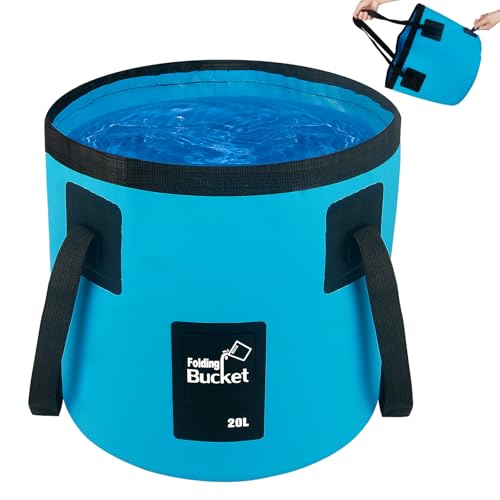
Holds old and new water easily, then folds flat for storage.

Shows exact water temperature so you can match fresh water to the tank.
See today's best deals onAquarium Maintenance