Gorgonians split into two camps: photosynthetic types that sip light at 35–50 PAR and forgive skipped meals, and non-photosynthetic ones that demand 15–30 PAR plus nightly feeding at 9–11 PM or they simply rot.
Colors telegraph needs—tan, brown, or muted pink-purple mean easy mode; electric blue or blazing yellow scream specialization.
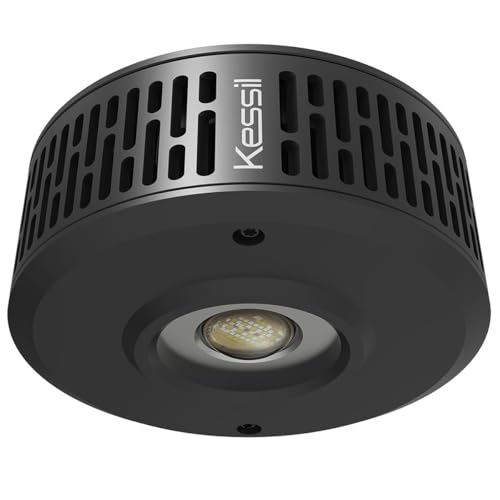
Delivers intense, shimmering light for photosynthetic gorgonians and vivid color pop.

Compact, app-controlled LED light with sufficient PAR for beginner gorgonians and sleek tank styling.

High-end spectrum tuning for demanding fans and unmatched coral coloration.
Check discounted items inAquarium Lighting
Tank size matters, too: 30 gallons minimum for compact fans, 75-plus for giants.
Flow should turn water 20–40 times hourly, gentle enough to spare those wispy branches.
Calcium stays 350–450 ppm, magnesium stable, alkalinity steady—the usual suspects.
Beginners want forgiving species; veterans chase the neon nightmares.
Fragging works when polyps extend fully, health broadcasts itself through tissue tone and extension patterns, and toxins get managed with carbon and spacing—six inches minimum, as gorgonians breathe, too.
Now, the details worth knowing.
At A Glance
- Choose photosynthetic gorgonians (tan, brown, muted pink-purple) for easier care under 35-50 PAR lighting.
- Select non-photosynthetic types (orange, electric blue, bright yellow) only if prepared for frequent nighttime feeding.
- Provide gentle to moderate flow (20-40× turnover) and fine substrate to protect delicate branches from damage.
- Maintain calcium 350-450 ppm, stable magnesium, and alkalinity with 20% water changes for optimal health.
- Space colonies 6+ inches apart and pair with gentle tank-mates like clown gobies to prevent polyp nipping.
Photosynthetic or Non-Photosynthetic: The Choice That Changes Everything
Since not all gorgonians play by the same biological rules, the first question any keeper faces—before tanks, before lights, before that inevitable “why is it melting?” panic at 2 am—is deceptively simple: photosynthetic, or not?
Photosynthetic species rely on symbiotic algae, so lighting control becomes everything. Too much, they bleach; too little, they starve. Color health depends on this balance—browns and tans signal photosynthetic partners thriving.
Balance the light, or watch them fade—brown and tan means your algae are happy.
Non-photosynthetic types? They’re the high-maintenance friends. They need feeding, frequently, and forgiving light. Now, both demand respect, but one forgives your schedule. Choose carefully; your 2 am self will thank you. Like maintaining needle-wheel impeller systems for optimal water quality, consistency prevents those late-night emergencies.
How to Identify Which Sea Fan Type You’re Buying
Three quick visual checks separate the easy keepers from the demanding ones, and honestly, most shop lights make every coral look like a million bucks until you get them home.
Now, color identification starts with the flesh, not the branches. Photosynthetic types wear tan, brown, or muted pink-purple—colors that whisper “I feed myself.” Non-photosynthetic species flaunt screaming orange, electric blue, or traffic-cone yellow; they demand your constant attention.
Color variation within single specimens matters too. Patchy, uneven tones often signal stress or hybrid uncertainty. Uniform saturation, meanwhile, usually indicates established health and predictable care needs.
Just as aquarium plant fertilizers help maintain stable nutrient conditions for sensitive tank inhabitants, consistent water chemistry supports the predictable coloration you’re looking for in healthy specimens.
Tank Size, Flow, and Light: Setting Up Before You Shop
Why guess at gallons when you can measure twice and flood once? Now, budget size dictates possibility—seventy-five gallons for giants, thirty for the compact crowd—so know thy tank before the LFS employee nods approvingly.
Water chemistry waits for no one: calcium 350–450 ppm, magnesium locked tight, alkalinity steady.
Flow dynamics matter—gentle to moderate, twenty to forty times turnover—because gorgonians hate being slapped around by powerheads. I mean, who doesn’t?
Lighting spectrum splits the kingdom: photosynthetic types want 35–50 PAR, non-photosynthetic ones chill at 15–30.
Substrate choice anchoring your gorgonians benefits from fine, pre-washed sand that traps impurities and extends filter life, much like the classic aquarium sands used in reef-ready systems.
Get this trinity right, and you belong.
5 Beginner-Friendly Gorgonians That Forgive Mistakes
How does a beginner tell the forgiving from the finicky? Look for photosynthetic species with tan, brown, or muted pink flesh—those keep their own food factories running, so they won’t punish you for missing a feeding or two.
Now, the real win: budget-friendly selection means picking corals that grow steady, not slow as glaciers, so you actually see progress. Budget friendly options like *Pterogorgia* sea whips and *Muricea* species tolerate parameter wobbles, forgive clumsy flow placement, and don’t demand weekly target feeding. They’re sturdy, they’re accessible, and they’ll keep you in the hobby instead of shipping your regrets back to the store.
For aquarists seeking similarly forgiving options in freshwater systems, Java Fern offers comparable low-maintenance benefits with soft fronds that thrive under minimal lighting without specialized equipment.
Join the club. Start here.
5 Advanced Sea Fans for Experienced Reef Keepers
Now, the water itself becomes adversary and ally in equal measure. Advanced sea fans demand precision—those non-photosynthetic species, bright orange and electric blue, needing targeted feeds of brine shrimp, copepods, delivered by gentle currents that never batter their delicate matrices. Genetic breeding programs now produce hardier specimens, responding to market trends favoring rare color morphs among dedicated collectors. Success here signals membership in an exclusive circle. For those developing juvenile specimens or isolating sensitive newcomers, a compact isolation chamber proves invaluable for controlled feeding and protection.
| Challenge | Reward |
|---|---|
| Daily feeding regimen | Unmatched color intensity |
| Parameter stability | Rare captive-bred specimens |
| Patient acclimation | Thriving, generations-old colonies |
And yes, they shed. It’s normal. Usually.
How to Mount and Position Gorgonians for Optimal Growth
The mounting of a gorgonian, I mean, actually getting the thing to stay put, separates thriving colonies from expensive driftwood faster than you’d think.
Mount vertically or near-vertically—gravity’s no friend to sideways growth, and gorgonian genetics pretty much demand it. Use reef-safe epoxy or frag plugs, then angle for 35–50 PAR if photosynthetic, maybe 20–40× flow turnover so polyps catch dinner without snapping branches.
Consider aquarium aesthetics: a purple sea whip towering above your rockwork invites compliments, but cram it against glass and you’ve got a sad, retracted noodle.
Space matters. These fans need room, about six inches minimum, since stinging neighbors or shadowed polyps mean slow decline. And access—don’t bury the base where you can’t prune or frag later. Think ahead, mount smart, join the club of growers who actually keep these things alive past month three.
Positioning gorgonians to receive gentle, distributed water flow reduces stress on delicate polyps and prevents turbulence that can damage branching structures, similar to how spray bars calm return water in sump systems.
The Right Way to Acclimate and Dip New Sea Fans
Acclimation, that tender handshake between shipping bag and display tank, demands more patience than most hobbyists initially budget—perhaps two hours, perhaps three if the water chemistry diverges sharply, though no one keeps a stopwatch on coral trauma and lives to tell.
- Float the sealed bag for fifteen minutes, temperature matching.
- Drip acclimation follows—two drips per second, maybe three, until parameters align.
- The water dip comes next: iodine or coral-specific solution, five to ten minutes, pests fleeing like party crashers spotted. For gorgonians particularly, select an iodine-free herbal formula to avoid tissue stress while still dislodging flatworms and nudibranchs from their delicate branching structures.
Stress monitoring begins immediately. Retracted polyps, tissue recession, that alarming slime coat—these whisper trouble. Watch for a week. Adjust flow, light, placement. The colony decides if you’ve earned membership in its slow, fanning world.
Feeding Non-Photosynthetic Gorgonians: Schedule and Foods
Feeding non-photosynthetic gorgonians demands a schedule more rigid than your average reef inhabitant, these are animals that forgot to pack lunch in their own tissues and now expect room service, daily, sometimes twice if you’re feeling generous and the water quality can handle it.
Non-photosynthetic gorgonians demand rigid feeding schedules—they packed no lunch and expect daily room service, sometimes twice.
- Master Nighttime feeding — these fanatics extend polyps after lights out, so target 2–3 hours post-sunset, roughly 9–11 PM, though your household rhythm rules, really.
- Live phytoplankton, enriched Artemia, small-mesh rotifers — size matters, pick what fits the polyp mouth.
- Nutrient dosing via automating pumps keeps amino acids, fatty acids stable; manual works too, but inconsistency starves them slowly.
Small, frequent, measured — or watch them waste.
Maintaining optimal water depth of 6½–8 inches in your reef system ensures stable water flow and efficient nutrient distribution, which supports the feeding response and overall health of non-photosynthetic gorgonians that rely entirely on external food sources.
Do Photosynthetic Gorgonians Need Supplemental Feeding?
Nighttime basters for their non‑photosynthetic cousins have their hands full, certainly, but daylight keepers sometimes assume photosynthetic gorgonians coast on sunshine alone—now that’s a gamble worth questioning. Light spectrum optimization helps, sure, but these fans still hunger.
- Nutrient cycling keeps things balanced—too clean, and they starve
- Weekly target feedings of phytoplankton or reef roids, maybe 2‑3 times
- Watch polyp extension; that’s your dinner bell
I mean, they’re not greedy, but they’re not solar panels either. Skip the snacks too long, and that elegant fan turns into a sad stick. Feed them. For keepers seeking to optimize water-column nutrition, fat‑soluble vitamins delivered through specialized reef supplements like Prodibio’s argon‑filled vials can support coral health between feedings.
Safe Tankmates: Fish and Inverts for Gorgonian Tanks
Peace in a gorgonian tank starts with the right neighbors—too rough, too nippy, too hungry for polyps, and that graceful fan becomes expensive driftwood.
Now, symbiotic relationships matter here, so choose tank mates that respect compatible flow and understand predator avoidance.
I mean, coral compatibility isn’t just wishful thinking—species interactions either harmonize or they don’t.
When selecting a tank, consider that self-cleaning enabled systems can reduce maintenance frequency and help preserve water quality for sensitive gorgonian colonies.
Worthy companions include:
- Clown gobies—small, gentle, they perch rather than poke
- Bumblebee snails—cleaners that won’t gnose those delicate branches
- Firefish gobies—timid, pretty, zero threat to biodiversity balance
Health monitoring keeps this delicate peace intact.
How to Frag Gorgonians Without Losing the Colony
Frag Gorgonians Without Losing the Colony
Three cuts, maybe four, and that colony either doubles its legacy or turns into a very expensive lesson in humility.
Fragging techniques demand respect. A sharp blade, steady hands, and the resolve to walk away if the flesh looks stressed.
Fragging demands respect: sharp blade, steady hands, and the wisdom to walk away when the flesh stresses.
Colony preservation starts with timing—wait for full polyp extension, that sign of contentment.
Now, the cut itself: slice clean through the branch base, leaving ample tissue on both donor and frag. I mean, don’t nick the core structure.
Anchor the new piece upright, match its original orientation, and let it heal in gentle flow.
Normal Shedding vs. Dying: Reading Your Sea Fan’s Signals
Healthy Shedding vs. Stress Signs in Sea Fans
Every sea fan, sooner or later, starts dropping stuff. It’s normal, mostly. Now, knowing what’s healthy slough versus *stress shedding indicators*—that’s where the real community separates the anxious from the informed.
- Color check: Tan flaking, polyps still reaching, means business as usual. Bone-white patches spreading fast? That’s territory for worry.
- Texture tells: Rubbery, intact? Good. Mushy, disintegrating? Time to intervene.
- Polyp persistence: Night feeding照常—normal. Retraction lasting days plus tissue recession? *Mortality clues* knocking.
I mean, nobody wants to sound alarms over a seasonal molt, but ignoring genuine distress loses colonies. Watch, wait, know your fan’s baseline—it’s membership in this particular club.
Fixing Polyp Retraction and Algae Overgrowth Fast
The culprits usually travel in pairs: stress shuts the polyps, stalled flow lets detritus settle, nutrients climb, and algae sees its opening.
| Issue | Fix | Timeline |
|---|---|---|
| Polyps retracted | Check water flow control, test parameters | 24–48 hours |
| Algae film | Scrub gently, optimize water chemistry optimization | 3–5 days |
| Detritus buildup | Increase turnover, reposition powerheads | Immediate |
| Nutrient spike | Water change 20%, review feeding | 1–2 days |
Now, here’s the thing—reef keepers panic, but patience wins. Boost flow enough to sway branches without blasting tissue. Test nitrates, phosphates; they’re sneaky. I mean, algae loves chaos, and gorgonians hate it. Adjust slowly. No heroics.
When Gorgonians Release Toxins: and How to Stop It
Polyp retraction handled, water chemistry stabilized—good.
Now, toxin triggers—crowding, chemical warfare with neighbors, or that sudden salinity swing you swear wasn’t your fault—can turn your sea fan into a tiny biohazard factory. I mean, nobody wants that.
Mitigation strategies? They’re simpler than you’d think.
- Space matters: give gorgonians breathing room, maybe 6 inches minimum, though “breathing” is the wrong word for something without lungs.
- Skimmers and carbon, run them hungry—protein skimmers pull those peptide nasties, activated carbon scrubs the leftovers.
- Stable parameters: since shock, well, shocks them. Track salinity, don’t chase perfection.
Frequently Asked Questions
Can Gorgonians Survive in a Nano Reef Tank?
Gorgonians can survive in nano tanks, though nano tank compatibility remains challenging.
Smaller species fit 30-gallon setups, but stability is key.
Lighting requirements vary: photosynthetic types need 35–50 PAR, whereas non-photosynthetic demand just 15–30 PAR but require heavy feeding.
Water quality crashes fast in tight spaces, so experience helps.
And really, who hasn’t overestimated their first nano reef?
Plan, test, adjust—then enjoy the weird, swaying beauty.
Do Sea Fans Require Dosing Trace Elements Regularly?
Sea fans don’t strictly demand trace trace dosing, but periodic element supplementation helps them thrive, especially in systems lacking natural replenishment.
Calcium and magnesium matter most—those 350‑450 ppm and 1260‑1350 ppm targets from water changes alone often fall short in smaller tanks.
Now, hobbyists running low‑stock, lightly fed systems might skip dosing entirely, and that’s fine. I mean, test first, adjust later. Stability beats perfection.
How Long Do Gorgonian Colonies Typically Live in Captivity?
Gorgonian colonies typically survive five to fifteen years in captivity, though longevity hinges on stability.
Slow lif growth rate—mere fractions of an inch yearly—means patience rewards caretakers.
Tank compatibility matters: peaceful fish, gentle flow, space to expand.
Now, parameter fluctuations? They’ll crash colonies fast. I mean, these aren’t plug-and-play corals. But give them consistency, and they’ll outlast your enthusiasm.
Maybe. Probably. Worth the gamble.
Why Does My Sea Fan Smell Bad During Acclimation?
That funk? It’s water stress, plain and simple—tissues breaking down, releasing compounds that reek.
Here’s what’s happening:
- Osmotic shock from rapid salinity swings ruptures cells
- Nutrient spikes in shipping water meet your clean parameters; the clash triggers chemical warfare
- Die-off begins—bacteria bloom on decaying tissue
And yeah, sometimes they just stink. Gorgonians shed, they stress, they gossip through chemistry.
The fix:
- Extend drip acclimation, 2+ hours
- Use activated carbon immediately
- Skim aggressively; those peptides linger
Polyp retraction’s normal. Foul mucus plus tissue melt? Now that’s trouble.
Will Gorgonians Bother Nearby SPS or LPS Corals?
Gorgonians pose minimal direct aggression, though coral competition exists.
They release toxins—peptides, proteins—during gorgonian aggression, chemical warfare basically, which nearby SPS or LPS might not appreciate.
Protein skimmers help.
Space matters: six inches minimum, more if possible.
Now, most keepers report peaceful coexistence, but watch for polyp retraction, that’s your warning shot.
Ultimately, stability wins—stable参数, stable neighbors, stable tank.

Targeted particles trigger feeding response and help non-photosynthetic gorgonians gain mass.

Suspended plankton feeds filter feeders without clouding water or stressing corals.
See today's best deals onCoral Food