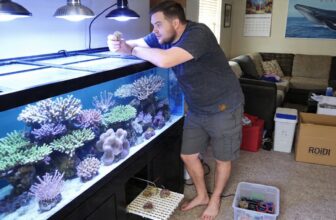
You’ll want temps steady in the mid-70s to low-80s, pH locked around 8.0–8.4, and calcium sitting pretty at 350–450 ppm before you even think about cutting. Wait for polyps extended most of the day and new tissue growth between heads—minimum two to three weeks of stability, no rushing.
Use bone cutters or an electric saw, but plan your cuts around the polyps unless you enjoy expensive mistakes. Glue with 1500–3000 cP cyanoacrylate gel, give it 24 hours, then dim your lights to 25% PAR that first day.
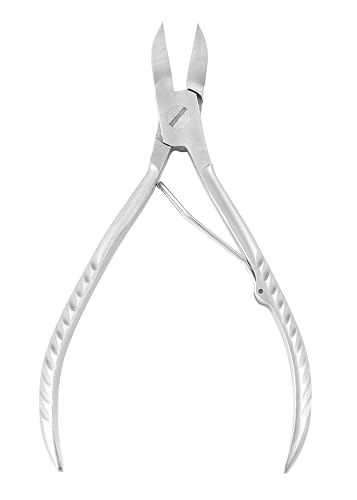
Clean cuts between polyps reduce tissue damage and speed up recovery.

Gel formula bonds firmly without dripping, holding frags securely from day one.

Keeps freshly glued frags stable and elevated while they heal.
Check discounted items inAquarium Tools
Keep flow gentle and sideways—polyps waving, not whipping—and pair with Cardinals, Firefish, or well-chosen Wrasses, though Damselfish can be tiny jerks. Six inches of sweep space keeps the peace with neighbors.
And if color starts fading at the rim like coffee rings, you’ve got bleaching to address—drop PAR to 25–50 and check those nitrates. There’s more to the lighting ramps and post-frag dark periods that make the difference between a frag that survives and one that actually thrives.
At A Glance
- Wait 2–3 weeks of stable parameters before fragging, then reduce flow for 24 hours post-cut.
- Use bone cutters or electric saws, cutting between polyps to minimize tissue damage.
- Maintain gentle, indirect flow; extended polyps indicate suitable current, retracted means excessive.
- Target PAR 25–50 with 8–10 hour photoperiod, ramping changes over ten minutes.
- Choose compatible fish like cardinalfish and firefish, keeping six inches from sweepers.
Acan Coral Basics: Temperature, pH, and Where to Place Them First
Now, here’s where you’d better pay attention: placement placement matters. You’re not just dropping this thing anywhere. Sand, rubble, rock—your substrate type determines whether those polyps extend or sulk. Give it a clean, stable surface where it’ll feel secure, and you’ll both sleep easier. In freshwater planted tanks, a sandy, nutrient-rich substrate supports root development and prevents rot in species like Amazon Sword.
Do Your Water Parameters Pass the Acan Health Check?
Since you’ve already fussed over placement and substrate, you’re probably wondering if your water’s actually up to snuff—spoiler: it mightn’t be, and your Acan will absolutely hold a grudge about it.
Now, check these numbers:
- Temperature: 72-82°F (aim middle-ish)
- pH: 8.0-8.4; dKH: 8-12
- Calcium: 350-450 ppm
- Magnesium: 1200-1350 ppm
- Nitrates: 1-10 ppm; Phosphates: 0.01-0.05 ppm
I mean, stability beats perfection here. Deviations stress your coral out, cause retraction, maybe bleaching—nobody wants that.
Do a water flow review weekly; tweak pump speed so nutrients actually reach those hungry polyps.
And nutrient dosing? Don’t eyeball it. Test first, dose slow. Your Acan’s watching.
For keeping that pH locked in the 8.0-8.4 sweet spot alongside your alkalinity, a liquid marine buffer formulated for reef systems can simplify your dosing routine and prevent the spike-and-crash cycles that make corals sulk.
Is Your Acan Coral Ready to Frag? Timing Signs to Watch For
Once your Acan’s settled in and actually acting like it owns the tank—not hiding, not sulking with retracted polyps—you might start eyeing those fat, healthy heads and thinking propagation thoughts. But hold up. Acclimation timing matters more than your enthusiasm.
Watch for these frag health signs before you make the cut:
- Polyp extension lasting most of the day, not just feeding time
- New tissue growth, that puffy, inflated look between heads
- Color holding steady under your lights—no bleaching, no browning out
- At least two, maybe three weeks of stable parameters behind it
You rush this, you lose the colony. Wait it out.
Just like choosing the right magnetic aquarium cleaner for your reef tank helps prevent scratches and maintain water quality, selecting the proper time to frag protects your entire colony from unnecessary stress.
Bone Cutter or Electric Saw: Pick the Right Fragging Tool
So you’ve stared at your Acan colony long enough to memorize every polyp’s personality, and you’re finally ready to slice it into pieces—romantic, right?
Now, here’s where you join the club. Your two weapons of choice:
- Bone cutters—silent, cheap, yours for about $15 at any reef supply shop. You’ll grunt a little, it’s fine.
- Electric saw—fast, clean, slightly terrifying. Electric saw safety matters here: eye protection, slow blade speed, and steady hands or you’re explaining coral shrapnel to everyone.
Either way, plan that cut around polyps, never through them.
And don’t forget bone cutter maintenance—rusty blades make ragged wounds, and nobody wants that kind of drama in the frag tank.
Once your frags are healing, consider how reduced water turbulence from proper sump design helps delicate coral tissue recover without additional stress.
Why You Must Dip Twice: Before the Cut and After
With your blade picked and your resolve steadied, there’s one more step before you make the cut—and another right after.
Your dip timing matters more than you’d think. First dip strips hitchhikers, second bite seals the wound. Now, iodine effectiveness peaks when you don’t rush it—about 10-15 minutes, maybe 20 if you’re feeling paranoid, which you should.
- Strip pests before you slice, that’s just manners
- Seal that fresh wound so bacteria don’t party
- Match strength to coral size—too harsh stings, too weak wastes time
- Watch them open; closed polyps mean dilute and retry
Double dipping isn’t cheating here. It’s the handshake that gets you into the club.
Consider a plant‑extract formula like Two Little Fishies Revive, which releases hitchhikers in 5–10 minutes and offers gentle contact suitable for all reef stages without the burning risk of iodine-based dips.
Glue Your Acan Frag Right: The 24-Hour Wait That Prevents Falls
Twenty-four hours. That’s your magic number, your insurance policy against gravity’s cruel sense of humor. You’ve done the frag fragging, made your clean cut, dipped that piece in iodine—now comes the part where patience pays rent.
| Your frag | Your glue | Your lighting schedule |
|---|---|---|
| Bone dry | Thick, not runny | Dimmed, gentle blues |
| Pressed firm | Gel consistency | 25% normal PAR |
| Held 30 seconds | No drips, no globs | Timers off, manual control |
| Left alone | Curing, not setting | 12 hours darkness helps |
| Checked twice | 24 hours minimum | Gradual ramp starts day two |
And you’ll wait. You’ll absolutely wait. Since nothing bonds reef keepers quite like shared disaster stories, and nobody wants to explain why their frag fragging masterpiece now lives in the sandbed, polyp-down, sulking. Your lighting schedule stays subdued anyway—bright lights stress fresh wounds, and stressed polyps don’t grip rock. So dim those LEDs, kill the timers, let your frag fragging survivor heal in peace. Selecting a high-viscosity cyanoacrylate gel in the 1,500-3,000 cP range ensures your adhesive stays put on vertical surfaces without dripping into the water column before bonding begins.
Day two, you nudge it. Doesn’t wobble? You’re in the club.
What PAR Level Brings Out Acan Coral Color? (25-50 Is the Zone)
How exactly do you coax those electric purples, acid greens, and sunset oranges from an Acan coral without turning it into a bleached-out ghost of itself? The sweet spot is 25-50 PAR, where color saturation hits its stride without cooking your coral.
Now, let’s break down what makes this zone work:
- Blue-heavy light spectrum drives pigment activation like flipping neon switches
- Moderate light intensity prevents stress that dulls those flashy hues
- Too much light, and you’ve got a stressed, washed-out specimen
- The 25-50 range keeps pigment activation humming without triggering defensive shutdown
I mean, we’re not baking cookies here—precision matters, but don’t overthink it.
For those looking to upgrade their lighting system, models like the NICREW HyperReef 100 Gen 2 offer programmable dimming that makes dialing in this precise 25-50 PAR range straightforward.
Are Your Lights Shrinking Your Acan Polyps? Fix These Mistakes
You’ve locked in that 25-50 PAR sweet spot, your coral’s colors are popping, but wait—where’d those fat, fluffy polyps go? Now, I mean, light intensity isn’t everything—light exposure timing matters too. Blast them dawn-to-dusk and you’ll shrink those polyps, maybe stunt your growth rate. Ramp transitions over ten minutes help mimic natural reef conditions and prevent polyp retraction caused by abrupt intensity changes. Check your fix:
| Mistake | Quick Fix |
|---|---|
| 12+ hour light exposure | Cap at 8-10 hours |
| Sudden light intensity jumps | Ramp up over a week |
| All-blue spectrum | Add warm whites for color variation |
| Lights too close | Raise fixtures 6-8 inches |
| Ignoring polyp feedback | Watch, adjust, repeat |
You’re not alone in this— we’ve all bleached a coral.
How Much Flow Feeds Your Acan Without Blowing It Over?
How Much Flow Feeds Your Acan Without Blowing It Over?
So, you’re staring at your Acan, wondering if that powerhead’s turned it into a whirligig—polyps flapping like flags in a gale, maybe, or worse, sucked down tight like they’ve seen something awful. You need flow balance, friend, and you’re not alone in this.
- Aim for gentle circulation, not a hurricane—low-to-moderate keeps them happy
- Position powerheads sideways, never direct hits
- Watch those polyps: extended means yes, retracted means nope
- Adjust gradually after acclimation, maybe 3-4 days in
Too little and they starve, too much and they hide. Get it right, and you’ll both belong here. For larger Acan colonies, consider a 24V DC pump with controller offering around 1,250 GPH and adjustable flow settings to fine-tune circulation without overwhelming your coral.
How Often Should You Feed Acan Corals? (2-3× Weekly Works)
Three meals a week—sounds almost reasonable, doesn’t it? You can target feed your Acan 2-3 times weekly and it’ll thrive. No need to obsess, though, since overfeeding’s worse than under.
Now, here’s your feeding schedule:
- Twice weekly gets you solid results
- Thrice if you’re feeling generous, or if your coral’s recovering from fragging
Watch for stress signs: retracted polyps, weird coloring, that general “sulking” look. They’re telling you something’s off, maybe too much food gunking up the water.
While fish-only tanks rely on water changes for trace elements, planted aquariums often use iron supplements for plants to maintain micronutrient balance—similarly, your Acan coral depends on stable water chemistry for optimal health.
I mean, you’re not running a diner here. Feed smart, keep it light, and your Acan will reward you with that gorgeous polyp extension we all joined this hobby for.
Which Fish Mix Safely With Acan Coral Sweepers?
Compatible Tank Mates for Acan Corals
Wondering which fish won’t turn your Acan’s sweepers into an all-you-can-sting buffet?
Avoid the all-you-can-sting buffet—choose tank mates who know when to steer clear.
You’re building a compatible tank, and reef safe choices matter—here’s your crew:
- Cardinalfish: chill, nocturnal, they mind their business
- Damselfish: feisty but usually too quick to get tagged
- Firefish: elegant, darting, keeps to itself
- Wrasses (careful selection): active hunters, typically disinterested in coral drama
I mean, sweepers can reach six inches on some specimens, so even reef safe fish need room to read the room. Watch, adjust, and don’t get cocky—compatibility’s a conversation, not a guarantee.
Why Acan Corals Need 6 Inches of Space From Neighbors
Acan Coral Spacing and Territory
You’ve checked your fish list twice, and that’s smart—sweepers sting, but they’re only half the battle. Now you’re looking at placement, and six inches isn’t some arbitrary number we pulled from nowhere. I mean, space competition gets real when those tentacles start probing for real estate.
Space optimization in your tank means respecting territory avoidance—it’s coral manners, basically. Skimp on distance, and you invite neighbor conflict that ends with retracted polyps, lost color, or worse. Six inches gives everyone room to breathe, feed, and coexist without the silent war happening after lights out.
Is Your Acan Stressed? Spot Bleaching Before It Starts
Spotting Bleaching Early
How quickly does pearl white turn ghost-town pale? You’re watching for ble stress indicators, and I mean really watching—because early bleaching detection separates the reef keepers who panic from the ones who adjust.
You spot trouble when:
- Color drains from the rim inward, like coffee rings in reverse
- Tissue turns translucent, showing skeleton beneath
- Polyps stay shrunk for days, not hours
- White patches spread faster than you’d expect, maybe millimeters overnight, maybe more—you’re guessing, we’re all guessing
Catch it now. Dial back that PAR 25‑50 lighting, check your nitrates. You’ve got this.
Why Are Your Acan Polyps Retracted? Quick Fixes to Try
Acan Polyp Retraction Causes and Quick Fixes
Why do your Acan polyps look like tiny closed umbrellas when they should be waving hello? You check your tank, and there they are—stubborn little buttons refusing the spotlight. Light intensity bites first: too much PAR, maybe 50-plus instead of that cozy 25–50 range, and your coral pulls a vanishing act. Dial it back, give them shades.
- symps stress — that’s what we’re calling it when everything goes sideways, water parameters drifting like your attention span at 3 a.m.
- Flow hammering them? Redirect that pump.
Now watch. Wait. They’ll open when ready, not when you are.
Frequently Asked Questions
Can Acan Corals Recover From Full Bleaching?
Yes, you can nurse bleached Acan corals back to health, but you’ll need patience and precision.
Their bleaching resilience depends on catching stress early—polyps gone pale, tissues thinning—and acting fast.
You must drop lighting to PAR 25-30, maybe even 20 if you’re unsure, stabilize parameters, and wait.
Pigment restoration takes weeks, sometimes months, so don’t panic when progress stalls.
Test water, adjust slowly, and trust the process; you’re rebuilding zooxanthellae populations cell by cell, and there’s no shortcut worth taking.
Do Acan Corals Need Dosing or Supplements?
You don’t strictly need dosing if your water changes keep up, but you’ll want one anyway.
Most people run a basic two-part dosing schedule—calcium and alkalinity, maybe magnesium if you’re fancy.
Supplement types? Liquid two-part, kalkwasser, or all-in-ones work fine.
Test weekly, dose to hit 350-450 ppm calcium, 8-12 dKH.
Skip it, and your coral’s skeleton gets cranky.
It’s not rocket science, just consistency.
How Fast Does Acan Coral Skeleton Grow Monthly?
Your Acan’s growth rate clocks roughly 1–3 millimeters monthly, though honestly you’re chasing a moving target. Environmental impact swamps any prediction—spot-on lighting, steady calcium near 400 ppm, and gentle flow coaxed upward after acclimation.
Low nutrients? They’ll stall. Feed them well, monitor polyp extension, and you’ll see who’s thriving versus surviving. Patience wins here.
Are Acan Corals Sensitive to Copper Medications?
You absolutely, positively can’t dose copper anywhere near them.
Copper toxicity hits acan corals fast—think tissue recession, polyp retraction, total colony crash.
The medication impact is severe even at trace levels, so if you’re treating fish, pull them into a hospital tank instead.
Your acan’s delicate tissue makes it a copper sponge, and there’s no coming back once that damage starts.
Can You Propagate Acan Coral by Polyp Budding Alone?
You can’t rely on polyp budding alone.
Certainly, you’ll see natural budding—new polyps sprouting from the mother colony—but you’re not truly propagating, you’re just watching your coral grow.
Real propagation means fragging.
You need fragment stability, not wishful thinking.
Grab that bone cutter, make a clean cut around the polyp (never through it), dip in iodine, glue it down.
That’s how you build your reef, one stable fragment at a time.

Programmable dimming lets you dial in 25-50 PAR for vivid Acan colors.

Measures exact light intensity so you avoid bleaching and hit the sweet spot.

Automates consistent photoperiods, reducing stress and supporting steady growth.
Browse discountedAquarium Lightingon Amazon