Goldfish turning black is usually good news – those dark patches often mean healing ammonia burns, basically a fishy scab forming.
First, test your water with an API Master Kit (~$25); ammonia must read 0 ppm. Overfeeding and poor filtration are the usual culprits behind toxic spikes.

Pinpoint ammonia, nitrite, nitrate to identify the cause of black spots.

Detoxifies ammonia instantly, protecting healing goldfish from burns.
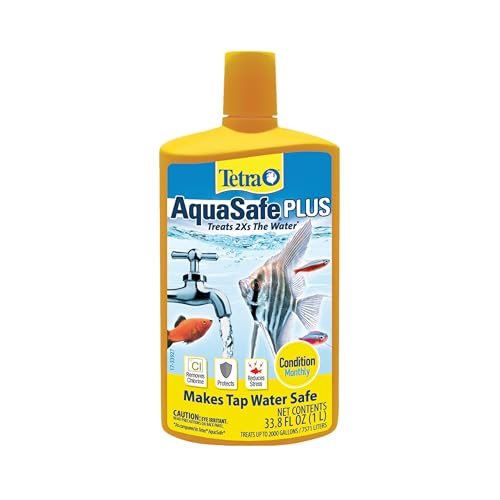
Neutralizes tap water toxins during emergency water changes.
Check discounted items inAquarium Water Care
If your goldfish’s gills look black, water quality is almost certainly to blame. Bruising from tankmate bullies or sharp décor can darken patches too.
Natural color change happens and is harmless, but black spot disease – often brought in by snails – needs proper vet treatment.
Stick to 25% water changes every other day until parameters stabilize. Keep reading to match each black spot to its exact fix.
At A Glance
- Ammonia burns cause black spots as goldfish heal from chemical burns.
- Poor water quality turns gills black due to toxin buildup.
- Stress, bruising, or bullying from tankmates can create dark patches.
- Natural color changes from genetics or dim lighting are harmless.
- Black Spot Disease from snails requires vet treatment and medication.
Are Ammonia Burns Causing Your Goldfish to Turn Black?
Yes, ammonia burns are likely the culprit if your goldfish is turning black. Ammonia toxicity causes chemical burns on fins and body. As water quality improves, those burns heal, and black spots appear – like a fishy scab.
Test your water immediately; goldfish need 0 ppm ammonia. Even tiny amounts hurt them. Ammonia readings above 0.25 ppm are unsafe for freshwater fish and indicate an immediate need for water changes. Common causes: overfeeding, too many fish, or poor filtration.
Fix the water, and those spots fade in weeks. Severe burns need a vet.
Bottom line: grab a liquid test kit (around $15) and check ammonia weekly. Your goldfish will thank you – no drama, just clean water. For reliable results, use a lab-accurate certified kit that tests multiple parameters to ensure your water is safe.
Is Poor Water Quality Blackening Your Goldfish’s Gills?
Ammonia burns explain black spots on the body, whereas poor water quality is the likely culprit if your goldfish’s gills are turning black.
Those delicate gills get irritated by toxin buildup – ammonia, nitrite, nitrate – causing dark discoloration.
Unlike natural color changes from goldfish genetics or fin bruising from scuffles, black gills scream dirty water.
Unlike natural color changes from genetics or injury, black gills scream dirty water.
Regular water changes stop this.
Keep ammonia at zero ppm, nitrite at zero, and nitrates below forty.
Your fish deserves clean, stable chemistry.
This isn’t genetics or injury – it’s a pollution problem.
Fix it fast, or the gills won’t recover.
A multi‑stage filter with mechanical, chemical, and biological media can help maintain these safe levels.
Such filters support beneficial bacteria colonies that colonize substrate surfaces for steady biological activity.
Is Your Goldfish Stressed, Bruised, or Bullied?
Why do goldfish suddenly sport dark patches that look more than bruises than disease? These marks often signal stress from bullying, where aggressive tankmates nip fins or cause injuries.
Bumping into sharp décor can likewise bruise a goldfish, mimicking black spot disease. A stressed fish is more prone to Fin rot and Swim bladder issues, so watch for clamped fins or floating trouble. Floating breeding boxes provide a gentle alternative for separation without causing additional stress.
Remove bullies, smooth rough edges, and test water. Using a temporary quarantine tank can help isolate an injured goldfish for recovery without further harassment. Your goldfish’s calm tank is its sanctuary.
Bottom line: check for social and physical stressors first, then adjust accordingly.
Could Your Goldfish Just Be Changing Color Naturally?
Sometimes, a goldfish turning black is just its way of being a goldfish – no drama, no emergency, no vet visit required.
These fish naturally darken as they age, like that one friend from high school who suddenly got cooler. Light exposure plays a role; dim tanks encourage darker pigment cells, turning a goldfish blacker over time. This shift is harmless, though you can brighten the tank if you prefer orange.
Overfeeding impact is indirect – more food means more waste, which spikes ammonia. That’s the real troublemaker. But a gradual, even darkening? Likely genetics or maturity.
Trust your goldfish’s unique journey – it’s just growing into its own skin.
If your goldfish is turning black due to an underlying ammonia issue, pairing it with a bio-substrate sand can accelerate the nitrogen cycle and stabilize water quality. Using a conditioner like Seachem Prime can also bind ammonia for 48 hours during emergencies.
Is Black Spot Disease the Real Problem?
If natural aging or light exposure seems unlikely, Black Spot Disease might be the actual culprit. This parasitic problem, unlike a harmless genetic mutation, creates large black cysts on the body – not just fins.
Your goldfish catches it from snails, not from natural aging. Those black spots? They’re the parasite’s home, complete with darkened scales.
Remember, ammonia burns heal from the center out; Black Spot Disease spreads randomly. Check for snails in your tank – they’re the giveaway. This disease is less deadly than toxicity, but still needs a vet’s eye. To avoid adding more stress, a gentle filtration system is essential for recovery.
Ammonia burns heal from the center out, while Black Spot Disease spreads randomly – check your tank for snails.
Don’t panic. Just rule out snails, then call the pros. Your fish’s color tells a story; make certain it’s not a horror novel.
For treatment, a medication like API General Cure Powder can handle the underlying parasites.
How to Fix Your Tank and Reverse Black Spots
The first step in reversing black spots is always to test the water. Grab a liquid test kit – API Master Kit, about $25. Ammonia should read zero. If it’s above that, you found the culprit.
Overfeeding impact is real: more food equals more waste, spiking ammonia. Fix this by feeding only what they eat in two minutes. For precision-focused setups like breeding discus, liquid reagents provide ±5 % lab-grade accuracy for reliable results.
Light adjustment matters too; a dim tank prompts dark pigment, so add an LED light for 8-10 hours daily.
Perform a 25% water change every other day until parameters stabilize. For emergency rescues, use a Tetra AquaSafe Plus conditioner to instantly neutralize tap water toxins.
Patience wins – healing takes weeks.
Bottom line: clean water, proper light, and less food reverse those spots.
Frequently Asked Questions
Can Black Spots From Ammonia Burns Be Permanent?
Black spots from ammonia burns are usually not permanent – black spot recovery depends on treatment efficacy. If water quality improves fast, those marks fade. But severe burns? They might leave a souvenir.
Think of it like a bad sunburn: heal the water, heal the fish. Test ammonia levels, fix filtration, and give it weeks. No magic fix, just patience and clean water.
You’ve got this – join the club of vigilant tank keepers.
Do Black Gills Always Mean Poor Water Quality?
Not always, but poor water quality is the top suspect. “Where there’s smoke, there’s fire” applies here – ammonia buildup often irritates gills first.
Yet black gills can likewise stem from black gill fungus or, rarely, genetic melanism (a natural darkening).
So although a water test kit ($15–$25) is your first step, don’t panic if parameters read clean – just monitor closely.
A single quick test separates stress from simple genetics.
Can Stress Cause a Goldfish to Turn Black Overnight?
No, stress alone usually cannot cause a goldfish to turn black overnight. That kind of sudden, dramatic change typically points to goldfish melanism – a rapid, stress-induced darkening of skin cells – or genetic darkening from age. Both need more than a few hours to show up.
If a fish looks drastically darker by morning, check water parameters first. Ammonia burns heal fast, turning black within a day. Rule out toxins before blaming bullying or a dark tank. Keep lights on, test water, and you’ll likely spot the real culprit.
Is It Normal for a Goldfish to Turn Black After a Water Change?
A sudden black spot after a water change might feel like your fish is mocking you, but it’s rarely a direct result of the water swap. The real culprit is often melanin fluctuation – a stress response triggered by a sudden shift in temperature or pH.
Black spot genetics can likewise make some fish more prone to temporary darkening. Check your tank’s ammonia (0 ppm) and nitrite (0 ppm). Test your water’s chemistry, and give the fish time. It’s usually a harmless healing process, not a catastrophe.
Can Black Spot Disease Spread to Other Fish in the Tank?
Yes, black spot disease can spread to other fish. The black spot lifecycle requires snails as an intermediate host; without snails, transmission is unlikely. Parasitic treatment options include removing snails and consulting a vet for anti-parasitic meds.
- Quarantine infected fish immediately.
- Snail removal breaks the lifecycle.
- Treat tank with meds like praziquantel, if needed.
The disease is less deadly than ammonia burns, so don’t panic – but act swiftly. Wanting your whole school safe? That’s normal. Just keep the tank clean and watch for new spots.
Rounding Up
So, your goldfish isn’t plotting a goth phase. It’s probably just stressed, burned, or bullied. One keeper watched her fish turn black after a snail hitchhiker brought Black Spot Disease – a $3 snail cost her $40 in meds. Think of it like a bruise on a banana: ugly, but fixable. Test water weekly, keep ammonia below 0.25 ppm, and skip the mood lighting. Bottom line: clean tank, calm fish, no black spots. You’ve got this.

Treats parasitic infections like Black Spot Disease effectively.

Safely eradicates flukes and parasites without stress.

Broad-spectrum parasite treatment for stubborn infections.
See today's best deals onFish Medications