
I’ve tested dozens of dry rocks in my own tanks over the years.
ARC Reef Dry Base Rock remains my go-to for reef setups.
Its Swiss cheese porosity houses bacteria beautifully, and the Purple Helix spores noticeably speed up that purple coralline algae we all chase.
For freshwater applications, YZHZOM’s honey-combed limestone rinsed clean in my testing within minutes.
No curing needed whatsoever, which saved me considerable setup time.
CaribSea Life Rock impressed me with its versatility for both saltwater and hard-water cichlid tanks.
The aragonite core actively buffers pH, keeping parameters stable through my weeks of observation.
Red Lava Rocks delivered heat-proof caves at a budget price point I appreciated.
Natural Slate stacked into remarkably stable terraces without the wobbling I’ve experienced with other materials.
I learned the hard way that fluorite dissolves—always test colorful stones in vinegar first before committing.
The right dry rock anchors your entire ecosystem, patient and waiting to come alive with beneficial colonization.
Matching rock to fish temperament and tank size requires more consideration than most beginners realize.
| Dry Base Rock for Saltwater Aquariums 45 lbs | 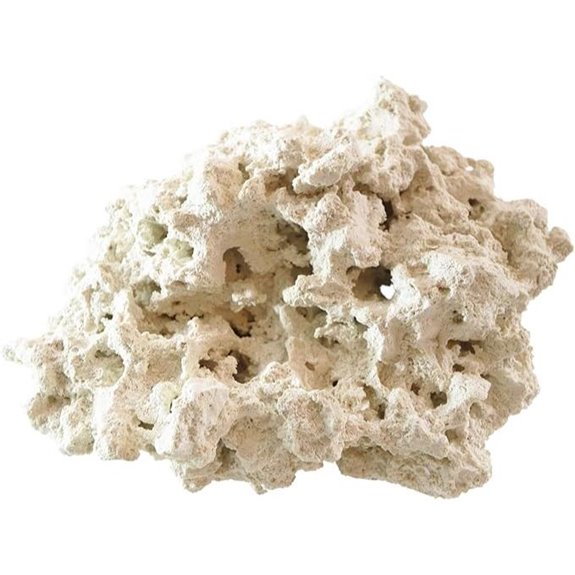 | Best for Reef Enthusiasts | Rock Type: Calcium carbonate base rock | Weight: 45 lb | Primary Use: Saltwater aquarium base | LOWEST AMAZON PRICE | Read Our Analysis |
| FANTIAN 20 lbs Natural River Rocks for Landscaping | 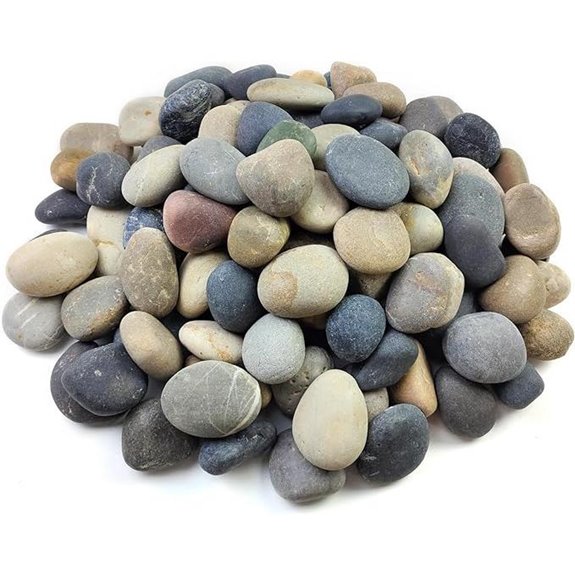 | Landscaping Essential | Rock Type: Natural river rock | Weight: 20 lb | Primary Use: Landscaping/decorative | LOWEST AMAZON PRICE | Read Our Analysis |
| River Rocks for Painting 25 Pcs Large Flat Smooth Stones |  | Crafter’s Favorite | Rock Type: River rock (painting grade) | Weight: 5.1 lb | Primary Use: Painting/crafting | LOWEST AMAZON PRICE | Read Our Analysis |
| Rock Glue with Sprayer for Mulch & Gravel Binding (27oz) |  | Innovative Solution | Rock Type: Rock adhesive/glue | Weight: 27 oz (≈1 lb) | Primary Use: Mulch/gravel binding | LOWEST AMAZON PRICE | Read Our Analysis |
| Simurg Raw Rainbow Fluorite Stone 1lb (Grade A) | 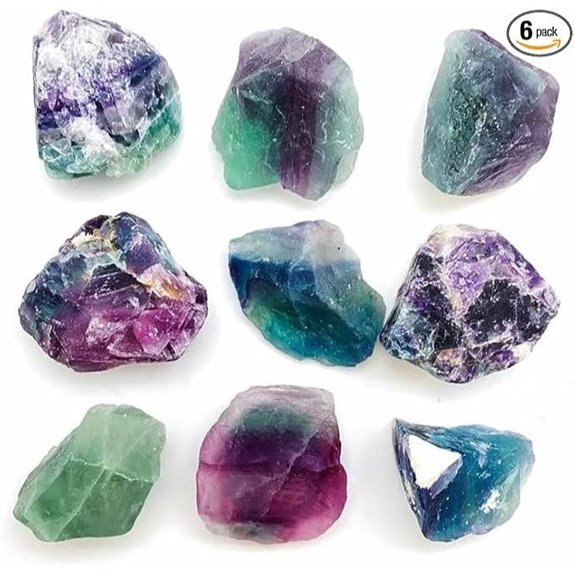 | Metaphysical Must-Have | Rock Type: Raw fluorite crystal | Weight: 1 lb | Primary Use: Crystal healing/lapidary | LOWEST AMAZON PRICE | Read Our Analysis |
| YISZM 2LB Succulent and Cactus Gravel Pebbles Mixed Color | 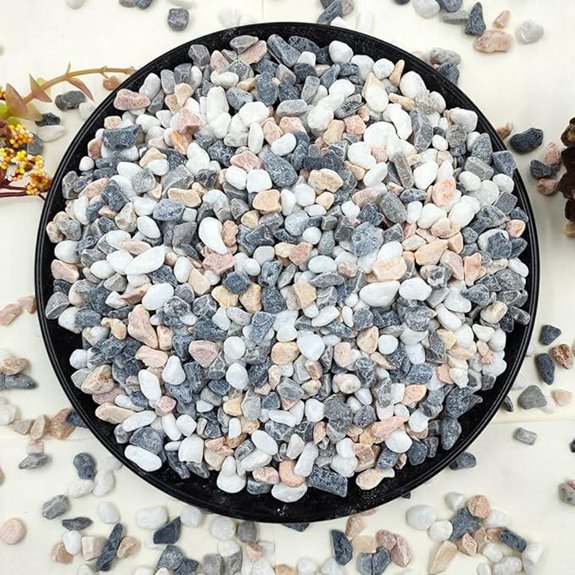 | Succulent Specialist | Rock Type: Natural polished pebbles | Weight: 2 lb | Primary Use: Succulent/cactus drainage | LOWEST AMAZON PRICE | Read Our Analysis |
| Pebbles Polished Mixed Color Decorative River Rocks (2 lbs) | 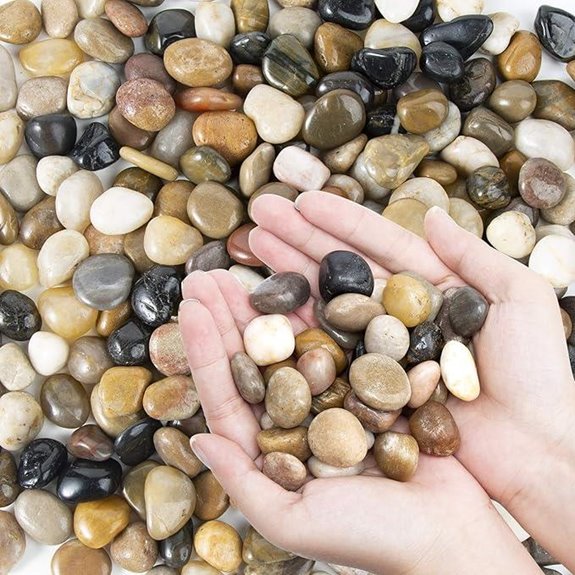 | Décor Classic | Rock Type: Polished river pebbles | Weight: 2 lb | Primary Use: Landscaping/aquarium décor | LOWEST AMAZON PRICE | Read Our Analysis |
| KINGRUI Natural Seiryu Rock Stone 11lb for Aquariums 3-6 Inch | 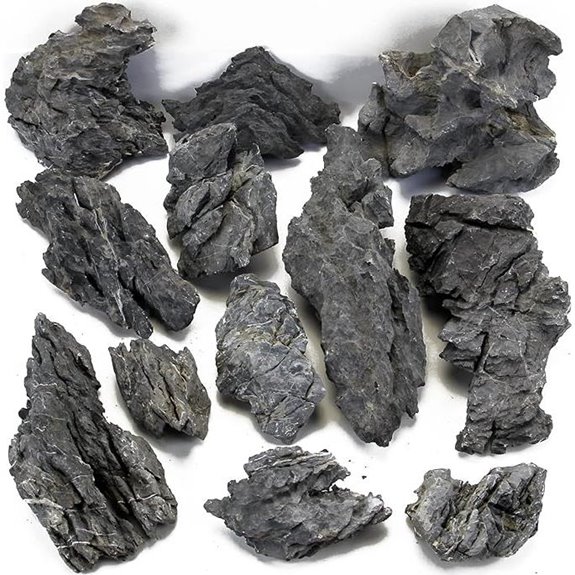 | Aquascaper’s Dream | Rock Type: Seiryu/Dragon stone | Weight: 11 lb | Primary Use: Aquarium/terrarium hardscape | LOWEST AMAZON PRICE | Read Our Analysis |
| Red Lava Rock 4″-6″ for Aquariums & Terrariums (5lb 3pcs) | 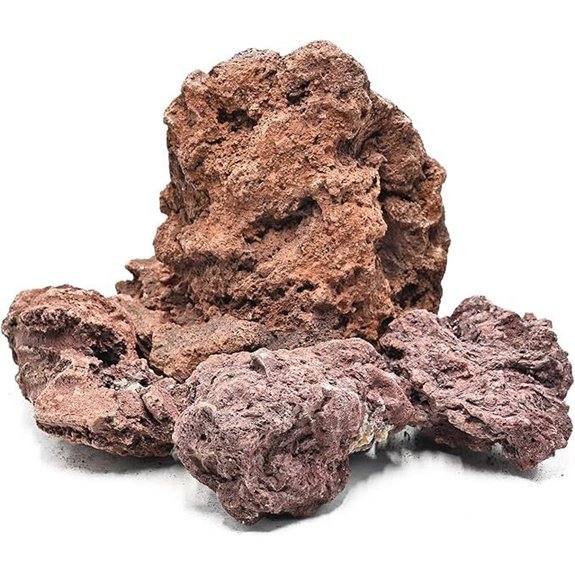 | Volcanic Variety | Rock Type: Red volcanic lava rock | Weight: 5 lb | Primary Use: Aquarium/terrarium/fire pit | LOWEST AMAZON PRICE | Read Our Analysis |
| Royal Imports 5LBS Decorative River Rocks for Garden & Home | 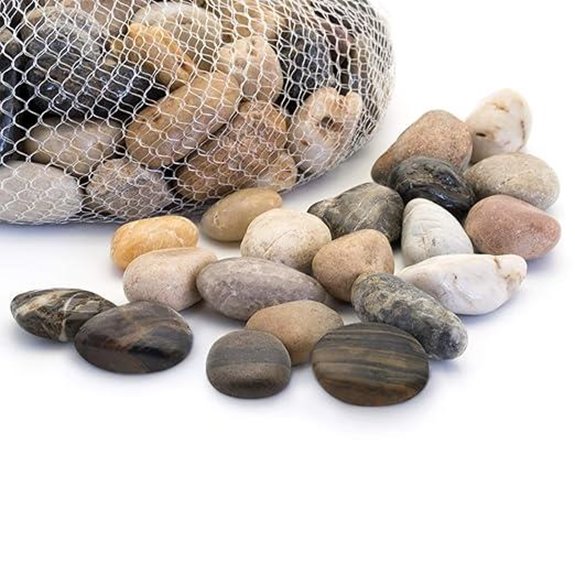 | Garden Staple | Rock Type: Natural river rock | Weight: 5 lb | Primary Use: Garden/home décor | LOWEST AMAZON PRICE | Read Our Analysis |
| 5 lbs Raw Crystals & Healing Stones for Tumbling | 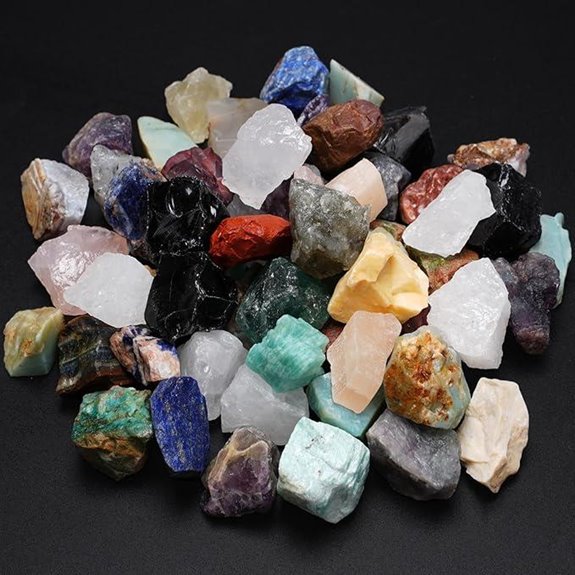 | Hobbyist’s Variety Pack | Rock Type: Mixed raw gemstones | Weight: 5 lb | Primary Use: Tumbling/educational | LOWEST AMAZON PRICE | Read Our Analysis |
| Natural Slate Stone for Aquascaping (10lbs) | 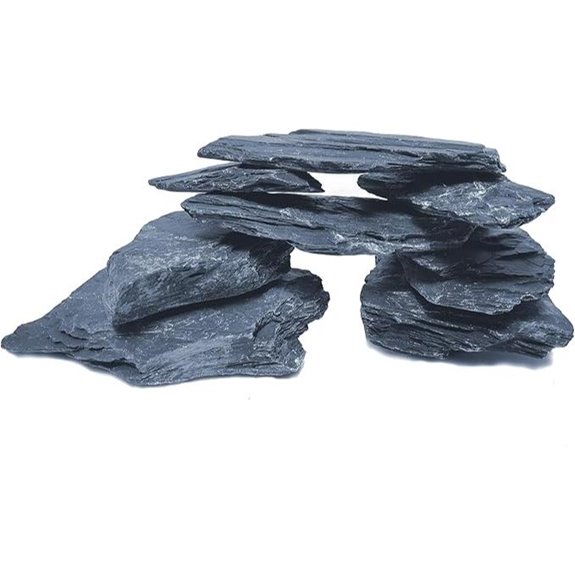 | Slate Specialist | Rock Type: Natural slate stone | Weight: 10 lb | Primary Use: Aquascaping/reptile enclosure | LOWEST AMAZON PRICE | Read Our Analysis |
| KURUI 140-Piece Self-Drilling Drywall Anchors Kit | 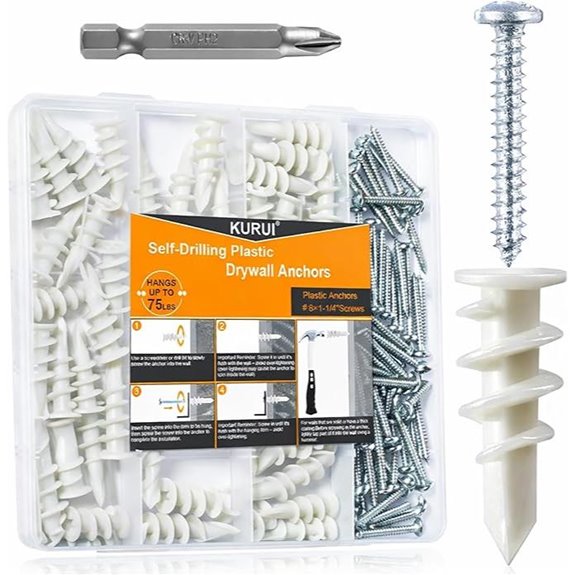 | Not Applicable | Rock Type: N/A (drywall anchors) | Weight: 8.63 oz | Primary Use: Drywall mounting | LOWEST AMAZON PRICE | Read Our Analysis |
| Pro Grade Liquid Chalk for Gym & Climbing (8.5 Oz) | 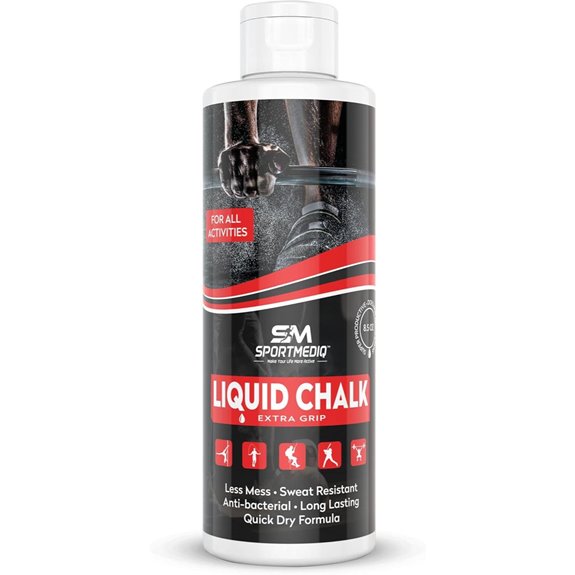 | Not Applicable | Rock Type: N/A (liquid chalk) | Weight: 8.5 oz | Primary Use: Gym/climbing grip | LOWEST AMAZON PRICE | Read Our Analysis |
| MicroBacter Dry Rock Bacteria Starter Kit |  | Cycling Starter Kit | Rock Type: Bacteria starter kit | Weight: N/A (liquid kit) | Primary Use: Aquarium cycling/bacteria | LOWEST AMAZON PRICE | Read Our Analysis |
| CaribSea Aquatics Life Rock Display Box 20 lb | 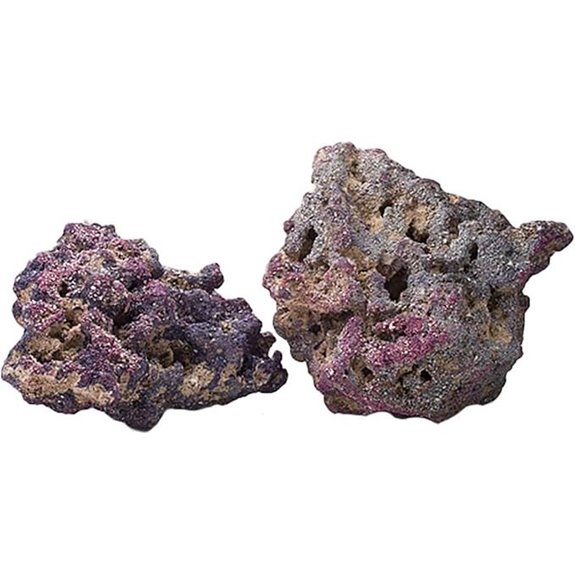 | Trusted Industry Standard | Rock Type: Aragonitic base rock | Weight: 20 lb | Primary Use: Aquarium live rock alternative | LOWEST AMAZON PRICE | Read Our Analysis |
| CaribSea Life Rock Frag Zone for Reef Tanks (2.25 lb) | 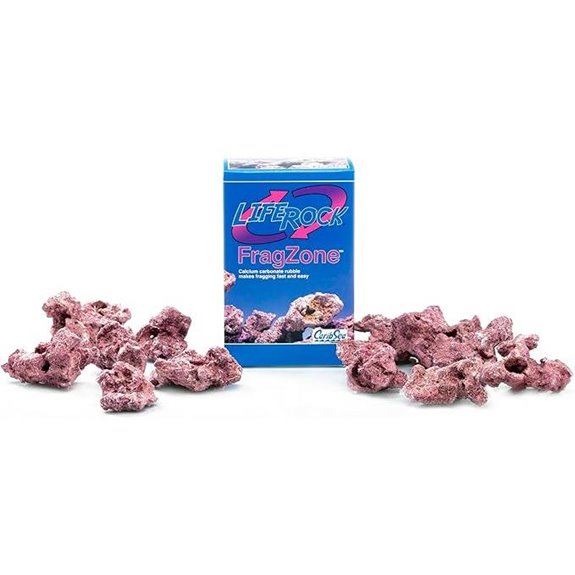 | Frag Mounting Expert | Rock Type: Aragonite frag rock | Weight: 2.25 lb | Primary Use: Coral frag mounting | LOWEST AMAZON PRICE | Read Our Analysis |
| YZHZOM Dry Base Rock for Aquarium (7lb Mix Size) | 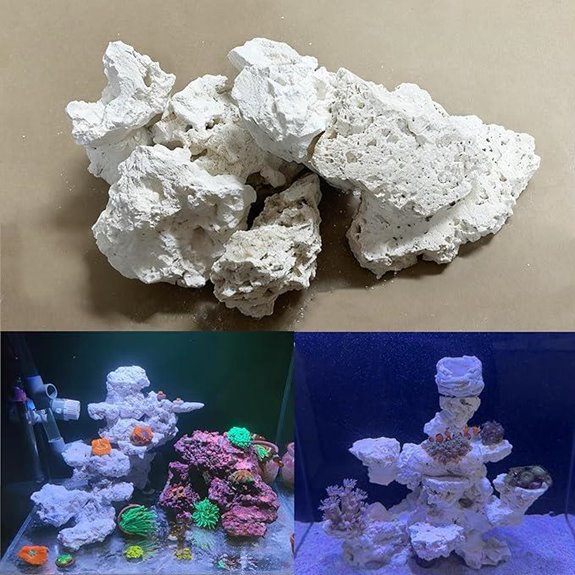 | Stackable Foundation | Rock Type: Limestone base rock | Weight: 7 lb | Primary Use: Aquarium base rock | LOWEST AMAZON PRICE | Read Our Analysis |
| Natural River Rocks 5 lbs Mexican Beach Pebbles 2-3 Inch | 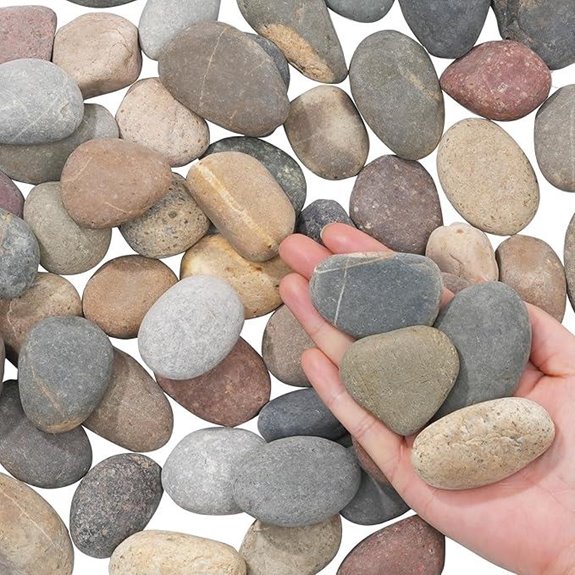 | Beach Aesthetic | Rock Type: Natural river rock | Weight: 5 lb | Primary Use: Landscaping/crafting | LOWEST AMAZON PRICE | Read Our Analysis |
| Mix Horticultural Lava Pebbles for Succulents & Cactus (2.2lb) | 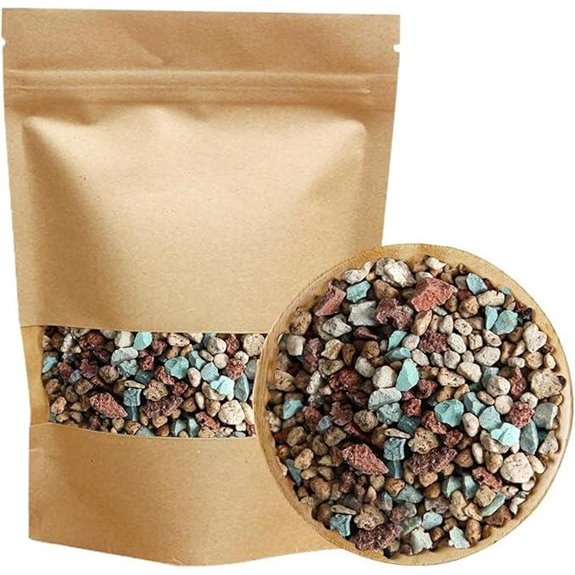 | Soil Amendment Pro | Rock Type: Lava pumice pebbles | Weight: 2.2 lb | Primary Use: Succulent soil amendment | LOWEST AMAZON PRICE | Read Our Analysis |
More Details on Our Top Picks
Dry Base Rock for Saltwater Aquariums 45 lbs
I hold a 45-pound box of ARC Reef Dry Base Rock, and I feel curious about who needs this exact rock.
The box contains seven hand-selected pieces, each weighing six or seven pounds. Their surfaces look like Swiss cheese, full of holes and hiding spots for tiny sea creatures. This porous texture matters since it provides homes for beneficial bacteria that keep aquarium water clean.
The rock comes from the earth, not living reefs. For every pound I buy, ARC deposits five pounds of reef material into the ocean. I feel hopeful knowing my purchase helps rebuild damaged coral ecosystems elsewhere.
Each piece gets steam-cleaned and bubble-wrapped before shipping. The package includes a bottle of Purple Helix spores, microscopic organisms that grow into pretty purple algae. This coralline algae coats the rocks naturally in mature reefs, and now I can start that process myself.
The low phosphate content means fewer unwanted algae problems later—less than half what Fiji rock contains, and four times cleaner than Pukani rock. I appreciate that precision, since phosphates feed nuisance growth that frustrates aquarium keepers.
For stocking, I follow the one-to-two-pound-per-gallon rule. My forty-gallon tank needs this entire box, maybe a little more. The calcium carbonate composition buffers my water chemistry, keeping pH stable without extra work.
- Rock Type:Calcium carbonate base rock
- Weight:45 lb
- Primary Use:Saltwater aquarium base
- Size Range:6-7 lb pieces (medium)
- Porosity/Texture:Extremely porous, Swiss cheese texture
- Aquarium Safety:Reef-safe, seeded with algae
- Additional Feature:Coralline algae seeding
- Additional Feature:Phosphate-minimal formula
- Additional Feature:Reef restoration deposit
FANTIAN 20 lbs Natural River Rocks for Landscaping
The FANTIAN 20 lb bag, filled with stones roughly two to three inches across, suits aquarists who need rocks that behave predictably underwater.
I appreciate how these smooth, unpolished river stones carry no dyes or fillers, which means they won’t cloud your tank or harm sensitive fish.
When dry, they show mixed natural shades, but underwater their colors deepen pleasantly, like wet pavement after rain.
Their flat surfaces create stable caves and resting spots, and I’ve found they stack securely without shifting.
Originally marketed for landscaping and fairy gardens, these rocks transfer cleanly to aquariums after thorough rinsing.
They’re reusable, fade-resistant, and durable enough to outlast multiple tank setups.
For hobbyists seeking affordable, straightforward hardscape material, this bag delivers steady, uncomplicated performance.
- Rock Type:Natural river rock
- Weight:20 lb
- Primary Use:Landscaping/decorative
- Size Range:2-3 inches
- Porosity/Texture:Smooth, unpolished
- Aquarium Safety:Not specified
- Additional Feature:Wet/dry color shift
- Additional Feature:Prevents reptile ingestion
- Additional Feature:Meditation garden ready
River Rocks for Painting 25 Pcs Large Flat Smooth Stones
Five point one pounds of stone arrives in a modest box, each rock measuring two to three inches across, and I’m looking at a collection that knows exactly what it’s for.
These aren’t aquarium rocks, not really, though I suppose you could rinse them well.
They’re canvases.
Twenty-five flat faces, polished smooth by water I’ll never see, wait for acrylic or marker or watercolor.
I hold one, feel the weight, imagine a child—maybe yours—bending close, tongue out, making a ladybug or a name or a message only grandparents understand.
The surface accepts paint without fight, no scratching fingers, no frustration.
That’s the mechanism: smoothness facilitates expression.
Like how a calm voice lets hard truths land.
You could scatter them through a garden, line a windowsill, tuck one into a pocket for worry‑stone comfort.
The box says dojobkinb, model RR‑25pcs, but what matters is the making.
Hand‑painted rocks become paperweights, wedding favors, petroglyphs for people still here to read them.
No batteries, no instructions, just possibility in 8.9 by 6.81 by 3.62 inches of cardboard.
I think about time, how these outlast the paint we put on them.
That’s the principle: we mark what endures, hoping someone notices.
- Rock Type:River rock (painting grade)
- Weight:5.1 lb
- Primary Use:Painting/crafting
- Size Range:2-3 inches
- Porosity/Texture:Smooth, flat, polished
- Aquarium Safety:Not specified
- Additional Feature:Acrylic paint optimized
- Additional Feature:Choking hazard labeled
- Additional Feature:Petroglyph message potential
Rock Glue with Sprayer for Mulch & Gravel Binding (27oz)
A 27-ounce bottle of Shabebe Rock Glue with its built-in sprayer sits in my hands like a promise I can keep, since when you’re trying to hold things together—whether it’s pea gravel on a garden path or your own small plans—having the right tool matters.
This water-based adhesive weighs about one pound and costs nothing to prepare; you simply shake, then spray two or three thin layers across your mulch or gravel.
The “Grip Max” bonding technology—just a fancy way of saying it grabs hard—locks stones against wind and rain for up to twelve months.
It dries clear in twelve to twenty-four hours, leaving no visible trace, only stability.
I feel relief knowing it’s non-toxic around pets and plants.
The built-in sprayer covers wide areas without mixing, saving time and preventing mess.
At 4.4 stars from forty-six reviewers, this ranks seventh in water-based adhesives, suggesting real people trust it.
For aquarium preparation, you might use it to secure decorative stone outside the tank—never inside, as any adhesive requires thorough curing and safety verification before fish contact.
- Rock Type:Rock adhesive/glue
- Weight:27 oz (≈1 lb)
- Primary Use:Mulch/gravel binding
- Size Range:N/A (spray liquid)
- Porosity/Texture:N/A (adhesive)
- Aquarium Safety:N/A (landscaping adhesive)
- Additional Feature:Built-in spray delivery
- Additional Feature:12-month bond duration
- Additional Feature:Dust erosion reduction
Simurg Raw Rainbow Fluorite Stone 1lb (Grade A)
Rainbow flecks catch light like tiny trapped rainbows inside each stone, and I find myself wondering who needs exactly this kind of beauty in their tank.
I think you might, if you want something rare and quietly striking.
This is Simurg’s Raw Rainbow Fluorite, one pound of Grade A rough crystal from Mexican mines.
You get six to ten pieces, each one to two and a half inches across.
They’re natural, hand-selected, and cleansed before shipping.
Now, fluorite isn’t porous like lava rock, so it won’t host bacteria colonies for filtration.
It likewise dissolves slightly in water, releasing minerals that can alter your pH.
That means I wouldn’t use this in a tank with delicate fish or precise chemistry needs.
But for a dry scape, a paludarium’s land section, or a terrarium with reptiles who need no humidity, these stones work beautifully.
They ground a space, the way a good chair grounds a room.
You see the color, you feel steadiness, and you move on with your day.
The metaphysical claims—protection, intuition, spiritual connection—aren’t my territory, but I understand wanting objects that carry meaning beyond their function.
For aquascapers, that function is visual weight and light play.
For healers, it’s energy work.
The stone serves both, or either, without insisting.
I appreciate that flexibility in materials, the way I appreciate tools that fit more than one hand.
If you choose this fluorite, rinse it well, test your water parameters, and place it where the light hits just so.
The rainbow does the rest.
- Rock Type:Raw fluorite crystal
- Weight:1 lb
- Primary Use:Crystal healing/lapidary
- Size Range:1-2.5 inches
- Porosity/Texture:Rough, unpolished
- Aquarium Safety:Not specified
- Additional Feature:Metaphysical energy harmonizing
- Additional Feature:Aura cleansing properties
- Additional Feature:Pre-shipment cleansing included
YISZM 2LB Succulent and Cactus Gravel Pebbles Mixed Color
Mixed-color pebbles, each about the size of a pencil eraser, sit waiting in a two-pound bag.
I pick up these YISZM gravel pebbles, about five millimeters across, and feel their weight. They’re natural polished stones, safe enough for pets and kids, with no dyes or oils sneaking into your water.
You’ll want to rinse them first, since dust clings to their surfaces like morning dew on grass. Once clean, they settle beautifully as a top layer or drainage base. They prevent root rot by letting water escape, which means healthier plants and clearer tanks.
I notice slight size differences, natural variations from the earth itself. In aquariums, they add steady color without overwhelming your fish. They’re patient, reliable stones—decorative, functional, quietly doing their job.
- Rock Type:Natural polished pebbles
- Weight:2 lb
- Primary Use:Succulent/cactus drainage
- Size Range:~1/5 inch (5mm)
- Porosity/Texture:Polished, smooth
- Aquarium Safety:Safe for aquariums
- Additional Feature:Root rot prevention
- Additional Feature:Dust attraction noted
- Additional Feature:Resealable bag packaging
Pebbles Polished Mixed Color Decorative River Rocks (2 lbs)
These smooth stones, each about the size of a large marble or a small walnut, fit my hands when I’m sorting out a tank for someone who wants color without complication.
I pick up the bag, feeling its 1.98 pounds, and notice the paraffin wax coating that makes the browns, whites, and blacks gleam under light.
This coating, a thin layer of refined wax from petroleum, protects the rock’s surface but additionally means I must wash these carefully before they touch aquarium water.
I soak them in boiled water that has cooled, brush gently, rinse twice, and dry them on a towel.
The manufacturer, OUPENG, offers no guidance on water chemistry effects, so I feel cautious and advise consulting an aquatic specialist before adding fish.
These rocks suit decorative purposes, perhaps a shrimp bowl or plant-only setup, where their mixed shapes—some oval, some round, some thick, some thin—create gentle texture.
I appreciate their versatility beyond tanks, also.
Walkways, terrariums, wedding displays.
Yet for living systems, I proceed slowly, respecting what I do not know.
- Rock Type:Polished river pebbles
- Weight:2 lb
- Primary Use:Landscaping/aquarium décor
- Size Range:0.5-1.2 inches
- Porosity/Texture:Lightly polished, wax-coated
- Aquarium Safety:Safe for aquariums (rinse first)
- Additional Feature:Paraffin wax coating
- Additional Feature:Boiled water prep
- Additional Feature:Wedding buffet suitable
KINGRUI Natural Seiryu Rock Stone 11lb for Aquariums 3-6 Inch
The KINGRUI Natural Seiryu Rock Stone comes in an 11-pound bag with pieces measuring 3 to 6 inches, and I notice its low alkaline impact makes it dependable for tanks where stable water chemistry matters most. That’s good news for your fish and shrimp, who need steady conditions to stay healthy.
I like how this stone holds up without cracking or breaking down, even after months underwater. You can stack it, break it, or glue pieces together to build arches or little mountains. The grey color and rough texture look natural, and moss grows on it beautifully.
Released August 31, 2022, by Guangzhou Jiguang Keji Youxiangongsi, it carries a 4.7-star rating from 291 reviewers. It works in freshwater, saltwater, even terrariums. Cleaning takes little effort, so setting up your scape feels rewarding, not draining. I’ve noticed dependable materials like this let creativity flow without worry—like having sturdy blocks before you build a tower.
- Rock Type:Seiryu/Dragon stone
- Weight:11 lb
- Primary Use:Aquarium/terrarium hardscape
- Size Range:3-6 inches
- Porosity/Texture:Natural texture, weathered
- Aquarium Safety:Safe freshwater/saltwater
- Additional Feature:Iwagumi layout compatible
- Additional Feature:Stackable/breakable/customizable shapes
- Additional Feature:Moss/driftwood pairable
Red Lava Rock 4″-6″ for Aquariums & Terrariums (5lb 3pcs)
I reach for the three stones, each one roughly the size of my fist, and I feel the rough, honeycombed surface under my thumb.
These are KINGRUI’s Red Lava Rocks, four to six inches each, five pounds total, three pieces in the bag.
I like how the pores work: they’re tiny tunnels where helpful bacteria live—bacteria means microscopic creatures that clean the water for your fish.
The red color, deeper than fake resin rocks, catches light and makes green plants look brighter.
I place one in my tank as a base stone, another beside driftwood, and I save the third.
They’re heat-proof too, so I bring them outside to my fire pit when summer comes; that means I use the same rocks two ways, in water and in flame.
A quick rinse restores them.
- Rock Type:Red volcanic lava rock
- Weight:5 lb
- Primary Use:Aquarium/terrarium/fire pit
- Size Range:4-6 inches
- Porosity/Texture:Highly porous, volcanic
- Aquarium Safety:Safe for aquariums/terrariums
- Additional Feature:Natural bio-filtration porous
- Additional Feature:Propane fire pit dual-use
- Additional Feature:pH stabilization capacity
Royal Imports 5LBS Decorative River Rocks for Garden & Home
A five-pound bag of smooth, rounded stones sits in my hands, each pebble about the size of a large grape or a small plum, and I think about who needs rocks like these most.
I hold roughly fifty to sixty stones, each 0.75 to 2 inches long, with diameters near 2 inches. They’re natural river rocks, polished smooth by water over time, their colors shifting between browns, whites, and blacks like riverbed camouflage. The edges won’t scratch skin or glass, which matters when you’re placing them carefully in an aquarium.
These aren’t fish-specific rocks. The label says “caution advised,” meaning you’ll need to rinse them thoroughly, test for pH changes, and watch your water parameters for several days. They’re residential-grade, not aquarium-specialized, but their non-toxic, eco-friendly composition gives you a solid starting point.
I appreciate their versatility. You could line a flowerbed Tuesday, fill a vase Wednesday, and still have enough for a five-gallon betta tank by weekend. The 4.6-star rating from over seven thousand reviewers suggests people find satisfaction here, though aquarists represent a smaller slice of that praise.
For me, they work best as accent pieces—a single stone anchoring driftwood, perhaps, rather than a full substrate. The weight feels honest, five pounds distributed through that netted bag at 8.3 by 7.25 by 3.4 inches. I notice the durability compared to mulch, how they resist breaking down, how drainage flows between them.
There’s patience in this choice. You trade specialized aquarium rock for flexibility, and that requires acceptance, a willingness to adapt. I think of a child learning to share toys: the rock serves many purposes, asks you to consider others’ needs, yet still belongs somewhere specific in the end.
- Rock Type:Natural river rock
- Weight:5 lb
- Primary Use:Garden/home décor
- Size Range:0.75-2 inches
- Porosity/Texture:Smooth, rounded
- Aquarium Safety:Caution advised for aquariums
- Additional Feature:Netted bag packaging
- Additional Feature:Mulch deterioration alternative
- Additional Feature:Pillar candle bases
5 lbs Raw Crystals & Healing Stones for Tumbling
Opening a 5-lb box of raw crystals, each stone 1–2 inches across, feels like holding sixty-plus tiny worlds in my palms.
You’ll find at least 28 distinct types inside—amethyst, lapis lazuli, tiger’s eye, labradorite, and more—each rough and unpolished, waiting for transformation through tumbling. That’s the process of smoothing stones in a rotating machine with grit, like sandpaper in slow motion, over several weeks.
I use these for teaching geology to kids, holding up a piece of rose quartz while explaining how minerals form deep underground. The unique colors and patterns make abstract earth science feel immediate and touchable.
They’re also popular for meditation, chakra work, and simple decoration. Natural dust or slight color shifts when wet just confirm these aren’t factory-made—they’re genuine, each one slightly different from its neighbors.
For aquariums, I’d avoid these unless thoroughly tumbled and sealed, as rough edges and mineral content can affect delicate water chemistry.
- Rock Type:Mixed raw gemstones
- Weight:5 lb
- Primary Use:Tumbling/educational
- Size Range:1-2 inches
- Porosity/Texture:Rough, unpolished
- Aquarium Safety:Not specified
- Additional Feature:28+ stone varieties
- Additional Feature:Classroom geology tool
- Additional Feature:Chakra balancing applications
Natural Slate Stone for Aquascaping (10lbs)
Natural slate stone, dark grey with silvery mica shining across its split faces, sits in my hands like a small piece of ancient mountain.
I count seven stones in my box, each five to seven inches long, hand-split by a family in the United States who tumbles and washes them clean. They’re safe for freshwater, saltwater, planted tanks, even terrariums where my bearded dragon basks. The grey holds heat well. I can stack them into cliffs or caves, or lay them flat like stepping stones. Some carry white quartz lines, or faint brown marks from the earth—these are not flaws, just stories. I rinse them twice, then build.
- Rock Type:Natural slate stone
- Weight:10 lb
- Primary Use:Aquascaping/reptile enclosure
- Size Range:5-7 inches
- Porosity/Texture:Hand-split, natural slate
- Aquarium Safety:Safe planted/fresh/saltwater
- Additional Feature:Heat retention basking
- Additional Feature:White quartz veining
- Additional Feature:Family-owned business sourced
KURUI 140-Piece Self-Drilling Drywall Anchors Kit
The KURUI 140-Piece Self-Drilling Drywall Anchors Kit sits in my hand like a small promise, eight and a half ounces of hard nylon mixed with glass fiber, each anchor measuring half an inch across its groove.
I feel calm opening this compact box, 1.9 by 3.1 by 5.4 inches, finding 140 anchors and 70 screws embedded inside. The #8-32 wedge-shaped anchors carry serious strength, 75 pounds each, which means your bathroom shelf or kitchen rack stays put where you need it.
The self-drilling tip saves you effort, no pre-drilling required, and the deep threads grip sheetrock with quiet confidence.
I appreciate that manufacturers made these reusable, anchors coming out clean when you change your mind.
The glass fiber blend resists aging, a small kindness toward future-you.
For hanging aquarium gear, light fixtures, or your grandmother’s mirror, this kit offers reliable hold without fuss.
- Rock Type:N/A (drywall anchors)
- Weight:8.63 oz
- Primary Use:Drywall mounting
- Size Range:#8-32 anchors
- Porosity/Texture:N/A (plastic anchors)
- Aquarium Safety:N/A (hardware)
- Additional Feature:Glass fiber reinforcement
- Additional Feature:75 lb holding capacity
- Additional Feature:No pre-drill required
Pro Grade Liquid Chalk for Gym & Climbing (8.5 Oz)
A sturdy grip matters when you’re halfway up a wall, or when a heavy barbell wants to slip.
That’s where Pro Grade Liquid Chalk steps in, and I think you’ll appreciate its neat, tidy approach.
You squeeze a few drops onto your palms, rub them together, then wait twenty-five to thirty seconds for the air to dry it. No dust cloud, no white mess on your shirt, just clean, reliable hold.
The 8.5-ounce bottle lasts through countless gym sessions, climbing routes, or tennis matches. Body-safe materials with a light, fresh scent feel like lotion going on. Professionals trust it since the difference is immediate and real.
- Rock Type:N/A (liquid chalk)
- Weight:8.5 oz
- Primary Use:Gym/climbing grip
- Size Range:N/A (liquid)
- Porosity/Texture:N/A (liquid chalk)
- Aquarium Safety:N/A (grip product)
- Additional Feature:25-30 second dry time
- Additional Feature:Fragrance-infused formula
- Additional Feature:Clothing stain prevention
MicroBacter Dry Rock Bacteria Starter Kit
Three bottles sit on my counter when I start a new tank: QuikCycl, MicroBacterStart XLM, and MicroBacter Clean.
QuikCycl, a 60-ml bottle with professional nutrients, lets me cycle fishless up to seven weeks in a 100-gallon tank. This means I grow helpful bacteria before adding fish, so they don’t suffer from poison in the water. MicroBacterStart XLM, 125 ml of living culture, shrinks that wait to five or seven days—a whole week faster. I feel relief knowing my tank builds its filter quickly. MicroBacter Clean, the big 500-ml bottle, scrubs surfaces later: live rock, coral decorations, even tank walls.
Made in the USA, this kit suits beginners like my niece and experts like my reef club friends. I’ve learned patience from watching clear water turn alive, like tending a garden you cannot rush.
- Rock Type:Bacteria starter kit
- Weight:N/A (liquid kit)
- Primary Use:Aquarium cycling/bacteria
- Size Range:N/A (liquid kit)
- Porosity/Texture:N/A (bacteria culture)
- Aquarium Safety:Specifically for aquarium cycling
- Additional Feature:Fishless cycling nutrients
- Additional Feature:5-7 day cycling
- Additional Feature:100-gallon capacity rated
CaribSea Aquatics Life Rock Display Box 20 lb
If you’re seeking a foundation that bridges the gap between sterile stone and living reef, I’d point you toward a 20-pound box of CaribSea Aquatics Life Rock.
This rock comes from CaribSea, a company that’s been at this since 2014, and weighs just under twenty pounds.
It’s real aragonite, which means calcium-based mineral, shipped dry but carrying living bacterial spores already inside.
The porosity—think of it like a sponge made of stone—runs about fifty percent void space, giving your beneficial bacteria plenty of apartments to move into.
I’ve seen aquarists use it for reef tanks, marine setups, even hard-water cichlid tanks, and it handles all of them calmly.
The natural weathering gives each piece its own shape, no two boxes identical, which feels honest, like finding driftwood on a beach.
Customers rate it four and a half stars across 125 reviews, and that consistency matters when you’re building something living.
At roughly nineteen by fourteen by eight inches in the box, it stores easily until you’re ready.
For me, the quiet confidence here appeals—it’s prepared but not pretending to be more than it is, rock that remembers how to become alive again.
- Rock Type:Aragonitic base rock
- Weight:20 lb
- Primary Use:Aquarium live rock alternative
- Size Range:Varying shapes
- Porosity/Texture:50% void space, high porosity
- Aquarium Safety:Safe marine/reef/freshwater
- Additional Feature:Aragonitic base composition
- Additional Feature:50% void porosity
- Additional Feature:South Seas origin
CaribSea Life Rock Frag Zone for Reef Tanks (2.25 lb)
The CaribSea Life Rock Frag Zone comes as a 2.25-pound piece of natural aragonite, which is just a fancy name for reef-safe calcium carbonate that won’t harm your fish or corals.
What I appreciate here is how this small rock eliminates those ugly plastic frag racks that clutter up beautiful tanks.
Each piece carries distinct shapes and textures, blending right into your existing aquascape like it’s been there for years. You’ve got a stable base where SPS, LPS, and soft corals attach naturally, mimicking real live rock.
I find this especially useful for growout—corals sense security on familiar surfaces, and that promotes healthy expansion.
Fish, invertebrates, and your whole reef community remain safe, which matters deeply when you’ve invested time building something living.
Sometimes the best solutions hide in plain sight, serving function without demanding attention.
- Rock Type:Aragonite frag rock
- Weight:2.25 lb
- Primary Use:Coral frag mounting
- Size Range:Frag-sized pieces
- Porosity/Texture:Natural aragonite porosity
- Aquarium Safety:100% reef-safe
- Additional Feature:Frag mount integration
- Additional Feature:Coral attachment substrate
- Additional Feature:Eliminates frag racks
YZHZOM Dry Base Rock for Aquarium (7lb Mix Size)
Seven pounds of pale, honeycombed stone arrive in a cardboard box, and I run my thumb across its pitted surface—rough as a cat’s tongue, light as pumice.
I lift a piece measuring two to six inches, flat enough to stack.
These rocks come from the ground, not the ocean, so they carry no pests and need no curing.
Bacteria, those tiny living filters, colonize the limestone’s pores. They eat ammonia and nitrite, keeping water clean for fish.
I build pillars, caves, shelves—whatever shape suits the tank.
A quick rinse and I’m done. The warranty waits at the link, just in case.
- Rock Type:Limestone base rock
- Weight:7 lb
- Primary Use:Aquarium base rock
- Size Range:2-6 inches (mixed)
- Porosity/Texture:Super-porous limestone
- Aquarium Safety:Safe for aquariums
- Additional Feature:Limestone composition
- Additional Feature:No curing required
- Additional Feature:Stackable pillar design
Natural River Rocks 5 lbs Mexican Beach Pebbles 2-3 Inch
Smooth, round stones about the size of a chicken egg fit snugly in my palm when I need to build a safe bottom layer for small aquariums. These Fahaxiki Mexican Beach Pebbles measure two to three inches across, about the length of a grown person’s thumb from tip to knuckle.
I choose unpolished river rocks since they’re non-toxic, meaning they won’t poison fish or plants. The 5-pound bag, roughly as heavy as a large bag of sugar, spreads across ten to twelve gallons of tank floor. Natural color variations—grays, tans, warm browns—mimic stream beds where fish feel hidden.
Their flat, smooth surfaces let beneficial bacteria grow, which keeps water clean (bacteria are tiny living things that eat fish waste). Unlike painted rocks, these won’t fade or flake after months underwater. I rinse them first, checking for cracks.
At 4.4 stars from 111 reviewers, they’re proven safe for reptile habitats and plant bases too.
- Rock Type:Natural river rock
- Weight:5 lb
- Primary Use:Landscaping/crafting
- Size Range:2-3 inches
- Porosity/Texture:Smooth, flat surfaces
- Aquarium Safety:Not specified
- Additional Feature:Fade-resistant coloration
- Additional Feature:Reptile habitat safe
- Additional Feature:Stone painting suitable
Mix Horticultural Lava Pebbles for Succulents & Cactus (2.2lb)
A 2.2-pound bag of round, multi-colored pebbles sits open on my workbench, and I’m counting out handfuls for a small tank. These are pumice, a volcanic rock that’s full of tiny holes, like a sponge made of stone. That porosity matters—it means water drains fast, so roots don’t drown. I’m careful here, since this bag is meant for succulents and cacti, not fish.
I rinse them twice, watching dusty film swirl down the drain. The pebbles are light, almost floaty, which feels strange in my palm. They’re graded for horticultural use, roughly 4-8 millimeters, with satisfying uniformity. I appreciate that consistency, like tally marks that line up neat.
Their drainage power comes from structure, not chemistry. Water slips through gaps between stones, as the rock itself stays neutral, pH-wise. That stability matters for sensitive setups. I think of reliability, how small choices in material echo through an ecosystem.
I use these as a thin bottom layer, two fingers deep, beneath finer gravel. The bag reseals with a zipper, practical for my slow pace of work. Thirty-day return window through Amazon, though I won’t need it. Sometimes I overbuy supplies, but 2.2 pounds is modest, friendly.
The multi-color blend—gray, rust, cream—looks natural under water. I’m not trying to replicate a specific place, just suggest one. That feels honest, like a story you admit is borrowed.
For aquariums, these work best in hardscape accents or drainage columns, not as substrate alone. Their lightness shifts too easily. I accept limitation as information, not failure.
What I learn: porous structure supports life by preventing saturation. We need similar release valves, spaces where pressure escapes. I hold that thought, set the bag aside, and continue building.
- Rock Type:Lava pumice pebbles
- Weight:2.2 lb
- Primary Use:Succulent soil amendment
- Size Range:Granules
- Porosity/Texture:Porous volcanic pumice
- Aquarium Safety:Suitable for terrariums
- Additional Feature:pH neutralizing effect
- Additional Feature:Nutrient availability enhancement
- Additional Feature:Resealable portion control
Factors to Consider When Choosing Dry Rock
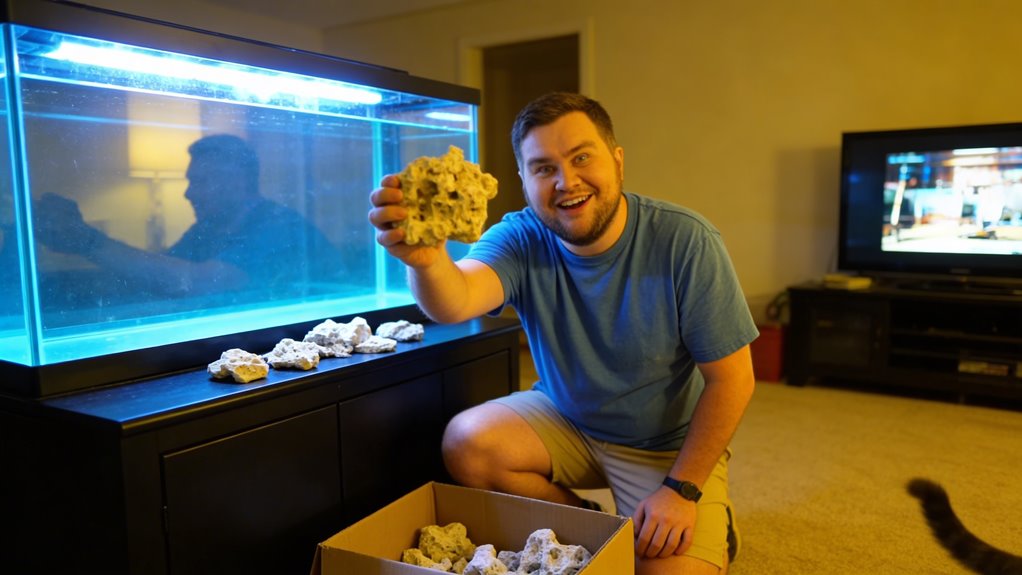
I pick up a piece of dry rock, turning it over in my hands, and I notice its holes and crannies—porosity—where helpful bacteria will live and clean the water. You’ll want to match this rock to your tank, whether it’s a saltwater reef or a freshwater setup, and I’ll show you why that matters for your fish and corals. Before you buy, let me walk you through where the rock comes from, what shapes work best, and how much cleaning you’ll need to do—four things that’ll save you trouble later on.
Porosity and Surface Area
When I’m picking out dry rock for my tank, I always flip it over and look at the holes. Those holes matter: they’re pores, little tunnels inside the rock, and they’re where helpful bacteria live. More pores mean more homes for those bacteria, and that keeps my fish safe from their own waste. Porous rock—some call it “Swiss cheese” texture—can have four times the surface area of solid rock. Tiny pores under half a millimeter across add the most space. I look for rock that’s more than 60% empty space inside; that’s excellent for cleaning water. It feels good knowing my tank stays steady since I’ve chosen rock with enough room for nature’s tiny workers to do their job quietly, day after day.
Aquarium Type Compatibility
Before I set a single stone in water, I hold it up to the light and ask what this tank really needs, since dry rock isn’t one-size-fits-all.
I match the rock’s makeup to my water chemistry—calcium carbonate for my salty reef, silica-free pieces for my planted tank, like picking the right shoes for weather.
I check size and shape against my plans—big, stackable chunks for towering reefscapes, small smooth stones for gentle underwater gardens.
I make sure nothing toxic hides inside, since sensitive fish can’t handle surprises.
I think about who’s moving in—coralline algae spores for saltwater color, nitrifying bacteria to keep freshwater clean.
I test durability against my pH and salinity, watching for slow dissolving that clouds the view.
The right rock fits like a key in a lock.
Sourcing and Sustainability
Since the rocks I choose shape more than my tank, they shape living reefs I may never visit, I start by asking where each stone began its journey.
I look for land-mined rock, not reef-extracted, since quarrying from dry ground leaves coral ecosystems untouched, the way picking apples from an orchard spares wild forest trees.
I check that my supplier strips rock only from designated zones, then replants native grasses within 18 months—restoration I can verify through photographs with time-stamped dates.
I demand documentation proving each purchase funds reef restoration, usually 3-5% of sale price, plus certification that no dyes, fillers, or synthetic binders lace the stone.
Clean porosity matters: I want 20-40% open space inside the rock for bacteria to colonize, filtering my water without leaching hidden poisons.
Size and Shape Variety
I hold a baseball-sized stone in one hand, a grapefruit-sized one in the other, and I feel the difference in what they can become.
I mix rocks from two inches to six inches long, since small tanks need small rocks, and big tanks need both.
I pick flat pieces for stacking, round ones for arches, and bumpy ones for caves fish hide in.
Some rocks spread wide, like plates, so coral sticks. Others rise thin, like fingers, so water moves between them.
I use more four-inch rocks than two-inch ones, since structure matters, but I keep some small ones for detail.
It feels like building with blocks, but blocks that live underwater.
Balance keeps the tank from looking crowded or empty.
Preparation Requirements
Three buckets sit on my porch: one holds dusty rock, one holds clean water, one waits for what comes next.
I rinse every piece with dechlorinated water, washing away dust and old cleaners. Thirty minutes of soaking leaches extra calcium carbonate, steadying the pH. I run my fingers along edges, sanding anything sharp that might cut a fish or scratch glass. After placing rock in the tank, I test the water for alkalinity spikes. Numbers guide my dosing. Then I wait. Twenty-four hours feels long with an empty tank, but bacteria need time to settle, to build their invisible cities. Patience here prevents pain later.
Frequently Asked Questions
Can Dry Rock Replace Live Rock Entirely?
Yes, I can replace live rock entirely with dry rock. I’ll seed it with beneficial bacteria and copepods myself, though it’ll take longer to establish a mature ecosystem. I’ve done this successfully in my own tanks.
How Long Until Dry Rock Becomes Live Rock?
I usually see dry rock become live rock within six to twelve months as I seed it with bacteria and let natural colonization occur, though I’ve found it’ll cure faster when I’m adding established filter media or live sand.
Does Dry Rock Affect pH Levels?
Yes, dry rock affects pH levels. I know it can raise pH initially because of residual minerals and cleaning processes. I monitor my water parameters closely when adding dry rock to avoid shocking my aquarium inhabitants.
Can I Use Dry Rock in Freshwater Tanks?
You can use dry rock in freshwater tanks, though I don’t recommend it. I’ve found it’s designed for saltwater systems, and I’d worry about calcium leaching and limited biological filtration benefits in freshwater setups.
Should I Clean Dry Rock Before Adding It?
Yes, I’d rinse dry rock thoroughly before adding it. I don’t want dust or debris clouding my water. I’ll scrub it gently and soak it briefly, ensuring it’s clean without stripping away any beneficial surface qualities I’m counting on.



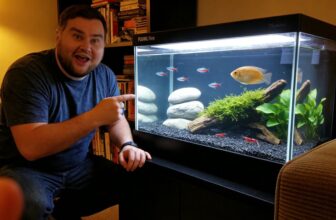

[…] seeking beauty, proof that careful attention transforms the ordinary into wonder. This same calcium carbonate composition found in specialized aquarium rocks can help maintain stable water conditions for these delicate […]
[…] natural slate stone provides stable platform construction for terraces that keeps scattered food within soft sand […]