You’ll recognize a Buenos Aires tetra by the silver flash on its body and the black cross-shaped mark right behind its gills, a pattern first noted by scientists in 1907 from Argentina’s Río de la Plata.
Keep six or more in at least a 30-gallon tank with water between 64 and 82 degrees Fahrenheit and a steady pH from 5.5 to 8.5, since sudden changes hurt them more than imperfect numbers.
Feed them protein like brine shrimp plus greens such as spinach three times daily, and they’ll live about five years.
They nip fins when crowded and jump through gaps smaller than a pencil eraser, so plan your space carefully.
There’s more to know about keeping their schools peaceful and their water clean.
At A Glance
- Buenos Aires Tetras need minimum 30-gallon tanks with water temperature 64-82°F and pH 5.5-8.5.
- School size of six to eight individuals prevents aggression and encourages natural schooling behavior.
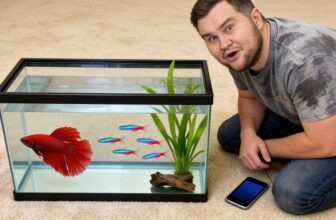
- Compatible tank mates include Congo Tetras and Cherry Barbs; avoid long-finned species like Bettas.
- Feed varied diet of brine shrimp, bloodworms, spirulina flakes, plus weekly greens and one fasting day.
- Secure lid prevents jumping; use gentle filtration, avoid sharp décor, and perform weekly 20% water changes.
Buenos Aires Tetra: Origin, Identification, and Beginner Appeal
When you look into a freshly stocked aquarium, you’ll spot the Buenos Aires Tetra by its flash of silver scales and that bold, black cross-shaped mark just behind its gills, like a tiny flag pinned to its side.
You’ll find this fish carries a story stretching back to 1907, when scientists first uncovered it swimming through Argentina’s Río de la Plata basin.
Its history traces from South American streams into living rooms worldwide, driven by steady market demand that hasn’t slowed for over sixty years.
You might feel quietly pleased knowing you’ve chosen a creature that’s forgiving, lively, and uncomplicated.
You’ll appreciate how this tetra tolerates beginner mistakes as it still rewards careful attention, making it a gentle companion for your first steps into fishkeeping.
Unlike betta fish that require low-flow filtration to protect their delicate fins, Buenos Aires Tetras thrive with more robust water movement, allowing for greater flexibility in tank equipment selection.
Tank Size, Setup, and Filtration for Buenos Aires Tetras
Since these fish grow to three inches and dart across the water in tight groups, you’ll want to give them room to stretch their fins. A 30-gallon tank works as your starting point, though bigger feels better when you watch them zoom.
You’ll need moderate tank lighting, enough to show their silver flashes but not so bright they squint. Gentle water flow keeps them swimming without exhaustion, like a creek they’d know back home.
Set up your filter thoughtfully—these fish make waste, and you’ll need strong filtration to keep their world clean and safe. If you’re running a sump system, the Inland Seas Plumbing Kit provides cut-to-size PVC and noise-reducing components that work well with various tank sizes.
| Tank Element | Recommendation | Purpose |
|---|---|---|
| Minimum size | 30 gallons | Space for schooling behavior |
| Tank lighting | Moderate intensity | Visibility without stress |
| Water flow | Gentle but steady | Natural current simulation |
Water Parameters Buenos Aires Tetras Actually Tolerate
Your filter’s running clean, your tank’s steady, and now it’s time to talk numbers.
Your filter hums, your tank holds steady—now the numbers tell the real story.
You’ll keep these tetras comfortable between 64 and 82 degrees Fahrenheit, with the middle of that range feeling just right. The pH scale stretches wide for this species—anywhere from 5.5 to 8.5 works, though 7.0 sits sweetly in the center.
Watch those p regulation trends weekly, since swings stress fish more than steady, imperfect numbers. Hardness matters too: 12 to 35 dGH keeps their systems humming, like comfortable water pressure in old pipes.
Given their tolerance for a broad pH range, a multi-parameter pen tester tracking both pH and temperature helps you catch drift before it becomes a problem.
Buenos Aires Tetra Diet: Protein, Plants, and Feeding Schedule
A hungry Buenos Aires Tetra will eat almost anything you drop into the tank, but you’ve got to choose wisely. You’ve got to balance their diet with protein and plants, just like you’d balance your own plate. Skip the diet trends of overfeeding flakes alone. Instead, follow a smart feeding schedule that keeps them healthy and colorful.
| Meal Time | Protein Source | Plant Matter |
|---|---|---|
| Morning | Brine shrimp | Spirulina flakes |
| Noon | Bloodworms | Blanched spinach |
| Evening | Daphnia | Lettuce leaf |
| Weekly treat | Live foods | Extra greens |
| Skip day | Fast once weekly | — |
Stick to this schedule, and you’ll see them thrive. For aquarists who also maintain planted tanks alongside their Buenos Aires Tetras, using a potassium specialist fertilizer can support robust plant growth without adding unwanted nitrates or phosphates that might trigger algae blooms.
School Size and Buenos Aires Tetra Aggression
The food you set out each morning keeps their bodies strong, but their minds need something else just as much.
You need a proper school. Six Buenos Aires tetras is your absolute minimum, though eight to twelve creates better school density. When they’re packed tight, they chase each other, not their tank mates. It’s simple crowd psychology.
Here’s how you handle aggression management:
- Watch for one fish getting chased constantly—that means your group is too small
- Add two more tetras immediately when you spot chasing
- Rearrange decorations to break sightlines and reset territories
Keep them crowded, and they’ll stay peaceful.
When selecting feeding tools for your Buenos Aires tetras, consider using long aquarium tweezers to precisely place food in specific areas, allowing you to target feeding and ensure all fish in the school receive adequate nutrition without competition stress.
Compatible Tank Mates for Buenos Aires Tetras
When you’re picking neighbors for these busy swimmers, you’ll want fish that won’t get bullied, and that won’t bully back.
You’ll need a tropical aquarium with stable water chemistry that matches their hardy nature, pH 5.5 to 8.5, temperature 64 to 82°F.
Choose robust companions like Congo Tetras, Cherry Barbs, or Bolivian Ram Cichlids, fish of similar size with confident energy.
Avoid delicate or long-finned species, Bettas and Angelfish, whose flowing fins tempt nipping. Keep groups of six or more Buenos Aires Tetras so their attention stays within the school, not on tank mates.
Space matters. Thirty gallons minimum, more for mixed communities, lets everyone establish territory without tension.
Consider adding biological filtration media such as ceramic rings or bio-balls to maintain water quality for this active community, especially in mixed-species tanks with higher bioloads.
Stopping Fin Nipping: Buenos Aires Tetra Behavior Fixes
You can gentle this behavior. Try these fixes:
- Add six or more tetras, so they chase each other instead of slower tank mates
- Increase tank size to 40 gallons, giving fish room to escape aggression
- Feed small amounts three times daily, reducing hunger-driven nipping
Proper stocking supports disease prevention, since stressed fish grow weak. You’re building peace, one thoughtful choice at a time. A sponge filter provides gentle water movement that reduces stress in sensitive species.
Live Plants vs. Artificial in Buenos Aires Tetra Tanks
A soft green fern waves in your tank’s current, and you hope it’ll stay that way.
You’ll need substrate lighting bright enough for plants, about two to three watts per gallon, but these tetras often shred delicate leaves with their nibbling mouths.
You’ll feel disappointed when you find ragged holes in your water sprite.
You’re smarter choosing silk or plastic plants, tough ones that won’t become expensive salad.
You’ll skip algae control headaches too, since live plants demand balanced nutrients that can spark green fuzz without perfect care.
You’ll watch your Buenos Aires tetras dart through fake foliage just as happily, and you’ll save money, time, and that small worry about rot.
Consider Java Fern as a safer live alternative—its soft, delicate fronds resist fin snagging and thrive under low light without fancy equipment, though you’ll still need to protect it from persistent nibblers.
Breeding Buenos Aires Tetras: Setup Through Free-Swimming Fry
Since these tetras scatter up to 2,000 eggs in a single morning, you’ll need a separate tank ready before the first light hits your window.
You’ll want a 10-gallon breeding tank with soft, acidic water and a gentle sponge filter.
Your tank décor should include fine-leaved plants or a spawning mop where eggs can hide.
For DIY lighting, you’ll use a simple desk lamp with a 6500K bulb, raised 12 inches above the water.
- Egg Protection — Add dense java moss so falling eggs slip between the threads, safe from hungry parents.
- Morning Timing — Check the tank at dawn, since spawning happens in those quiet, dim hours before breakfast.
- First Foods — Prepare infusoria three days before hatching, so tiny mouths find food when yolk sacs empty.
You’ll remove the adults immediately after spawning, or they’ll snack on their own offspring.
Your eggs hatch in twenty-four hours, and you’ll feel quiet relief watching the fry cling to glass.
After four days, you’ll begin feeding powdered spirulina and newly hatched brine shrimp.
You’ll watch them grow from transparent specks into confident swimmers, and you’ll feel proud.
A magnetic algae cleaner works wonderfully for gently removing any biofilm that builds up on the breeding tank glass without disturbing the delicate fry or eggs.
Jumping and 6 Other Buenos Aires Tetra Safety Risks
Since Buenos Aires tetras are jittery swimmers with a wild streak, you’ll need a lid that snaps tight against every edge of your tank, or you’ll wake up one morning to find a silver fish gasping on the carpet.
Jumping hazards happen when these fish panic. Lightning-fast reflexes send them shooting upward, searching for escape. Lid security means checking for gaps wider than a pencil eraser, since that’s all they need.
You’ll watch for six other dangers too: sharp decorations tearing fins, aggressive tankmates, filter intakes trapping small bodies, sudden temperature drops, uneaten food rotting, and stressed fish hiding instead of schooling.
A tank rated for 20 gallons or larger provides the stable water conditions and swimming room these active fish need to feel secure and exhibit their natural schooling behavior.
Weekly Buenos Aires Tetra Maintenance Checklist
When you lift the lid on Wednesday evening, you’ll feel a small calm settle in, knowing exactly what your tetras need.
Start by testing water parameters, reading ammonia and nitrates like a weather report for their world. You’ll spot tank trends—cloudiness, algae patches, sluggish swimming—that whisper when something shifts.
Next, wipe glass walls gently, siphon gravel debris, and replace twenty percent of water with treated, temperature-matched fresh water.
Finally, adjust your lighting plans, trimming duration if algae grows too fast, or repositioning fixtures to mimic dawn’s soft angle.
- Test water chemistry and log numbers in a notebook
- Partial water change with gravel vacuuming
- Inspect and modify lighting plans based on tank trends
Buying Buenos Aires Tetras: Sources, Selection, and Prices
Sources, Selection, and Prices
A healthy Buenos Aires Tetra, swimming in the pet store tank, tells you more than any label ever could.
Look for bright, clear eyes and full, rounded bellies, avoiding fish with clamped fins or white spots.
Seek fish with bright eyes and rounded bellies; avoid clamped fins or white spots.
You’ll find Buenos Aires Tetras priced between $2 and $5 at local fish shops, with online breeders charging more for specific color variants, so factor shipping into your budget.
Chain stores offer convenience, but specialty shops provide healthier stock and accurate advice about your aquarium setup.
Buy six or more, since these fish need friends to feel safe, and watch them transform your tank with their silver-green shimmer and restless energy.
Buenos Aires Tetra vs. Similar Tetras: Comparison Guide
How do you pick the right tetra when so many shimmer in the store tanks?
You look closer at color taxonomy, the science of sorting fish by their hues and patterns.
Buenos Aires Tetras carry a bold, coppery stripe against silver flanks, while Neon Tetras glow with electric blue and red.
Your hobby history matters too. You’ve kept gentle community fish before, so you know Buenos Aires Tetras behave differently. They’re livelier, sometimes pushy.
Size
They grow to three inches, larger than most tetras.
Temperament
They nip long fins, unlike peaceful Embers.
Plants
They eat live plants, so you’ll use artificial ones instead.
Common Buenos Aires Tetra Mistakes and How to Avoid Them
Beginner Mistakes to Avoid
Even though Buenos Aires Tetras seem tough, they’re not invincible to beginner blunders you’ll want to dodge from day one.
Buenos Aires Tetras seem tough, but beginner mistakes can still trip you up from day one.
You might think any old tank works, but cramming six fish into ten gallons spells disaster. They’ll fight, sulk, and turn mean. Give them thirty gallons minimum—breathing room keeps peace.
Skipping the lid? That’s a jumpy fish on your floor by morning. Secure it tight.
Plant lovers beware: these nibblers shred delicate greens. Use artificial silk plants, or you’ll watch your water sprite become salad.
Overfeeding’s another trap. Offer what they eat in three minutes, twice daily. Uneaten food rots, spikes ammonia, and hurts their sensitive gills.
Test water weekly. They tolerate wide ranges, but ammonia burns fast. Keep it zero.
House them with bigger, calmer fish. Small tank mates become targets.
You’ve got this. Steady care means lively, silver fish darting through your tank for years.
Frequently Asked Questions
Do Buenos Aires Tetras Change Color With Mood?
Yes, you’ll notice subtle color behavior shifts as their mood changes, though not dramatically. Their habitat adaptation lets them intensify hues when active or spawning, but stress may dull their silver-blue sheen temporarily.
Can Buenos Aires Tetras Recognize Their Owner?
You’ll develop an owner bond with these energetic fish, as their captive personality lets them recognize you during feeding times; they’ll actively swim toward the glass when you approach, distinguishing you from other household members.
How Long Do Buenos Aires Tetras Live in Captivity?
You’ll typically enjoy five to eight years of breitat longevity with your Buenos Aires tetras when you maintain stable water parameters, feed balanced meals, and house them in properly filtered tanks of thirty gallons or more.
Do Buenos Aires Tetras Need a Heater in Summer?
Your Buenos Aires tetras likely won’t need a heater in summer, as they tolerate 64°F–82°F. Monitor seasonal temperature closely; you’ll want stable heater placement ready for cooler months to prevent dangerous drops outside their preferred mid-range.
Can Buenos Aires Tetras Live in Outdoor Ponds?
You can keep Buenos Aires tetras in an outdoor pond if your climate matches their preferred 64–82 °F range year‑round, but you’ll need to monitor temperature fluctuations closely since sudden swings stress them or cause harm.
Rounding Up
You’ve got the tools now. Start with a sturdy 30-gallon tank, add six or more Buenos Aires Tetras, and match them with fish their own size. Feed them varied meals, skip the tender plants, and keep their water clean. They’ll reward you with shimmer, chase games, and decades of lively company. This hardy fish forgives beginner mistakes, but respects a keeper who pays attention. That’s you. Enjoy the tank.