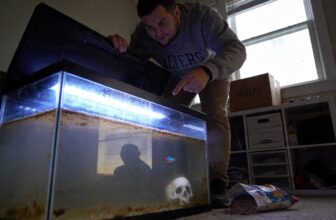
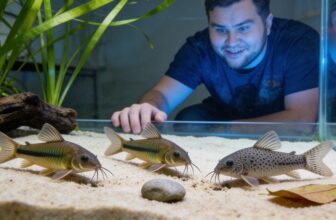
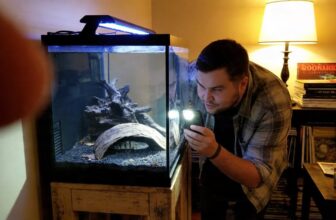
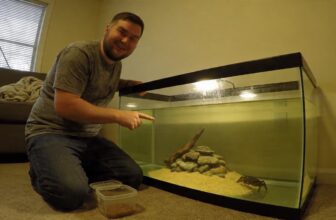
You hold a tiny glass box in your hands, ten gallons long and low, and you wonder how something so small needs so much room. Pygmy corys, fish barely an inch long, dart through shallow streams in South America by the hundreds, their whiskers—called barbels—sifting sand for food. You’ll need fine gravel so soft it feels like sugar between your fingers, never sharp crushed rock that scrapes their sensitive faces. They breathe a little air at the surface, gulp right from the air like you do, so keep the water calm, no waterfall crashes. Eight of them minimum, eight little friends checking the sand together, or they hide and pine. You set up the tank, you wait three weeks for good bacteria to grow, you test the water with strips that show numbers—pH around 7.0, temperature 75 degrees—and still something might go wrong you haven’t thought of. There’s a reason breeders whisper about secrets passed hand to hand, solutions that aren’t in the books, and you’re about to learn why the simplest-looking fish sometimes breaks your heart.
At A Glance
- House pygmy cories in ten‑gallon tanks with fine sand substrate to protect sensitive barbels.
- Maintain 72‑79 °F temperature, pH 6.5‑7.5, and gentle sponge filtration without strong currents.
- Feed micro‑pellets, frozen daphnia, and sinking wafers in small portions two to three times daily.
- Keep eight or more individuals together to encourage natural shoaling behavior and reduce stress.
- Remove adults immediately after spawning to prevent egg predation and ensure higher fry survival rates.
Setting Up Your Nano Tank for Pygmy Corys
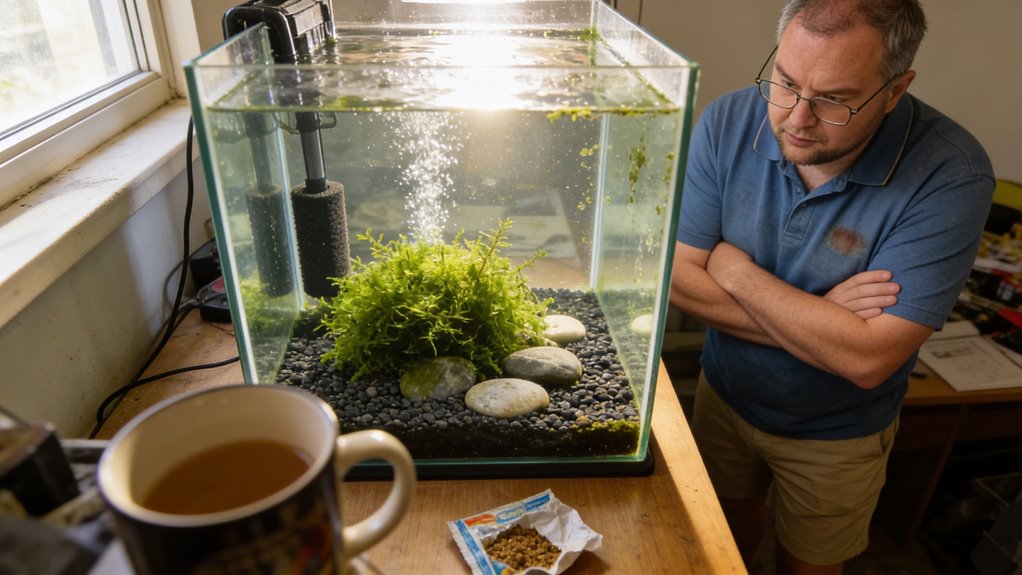
Choice begins with a ten-gallon glass box, the smallest home your pygmy corys can truly thrive in, though a longer tank—twenty gallons stretching sideways—gives their small bodies room to dart and play.
You’ll want water between 72 and 79 degrees Fahrenheit, slightly soft, not too acidic nor too basic.
Spread fine sand across the bottom; their barbels, those whisker-like feelers, root through it searching for crumbs.
Plant thickly around back and sides, leaving open sand for grazing.
Use gentle lighting, six to eight hours daily, since bright beams spark algae you must control weekly through small water changes and careful scrubbing.
This place becomes your shared secret.
Tank Size and Dimensions That Keep Pygmy Corys Active
A ten-gallon tank will house them, though it is not truly where they come alive.
You want a longer tank, twenty gallons or more, since these tiny fish swim side-to-side, not up-and-down. Think of a hallway, not a closet.
Biotope design means copying their real home—shallow streams in South America with sandy bottoms, driftwood tangles, and leaves. You will spread fine gravel or sand, two inches deep, so they dig safely with their whisker-like barbels.
Recreate a South American streambed—sand, driftwood, and leaves—for barbel-safe digging in two inches of soft substrate.
For lighting, keep it soft and dappled, like sunlight through forest canopy. Floating plants create this cozy shadow, making them feel hidden yet curious.
Water Parameters That Keep Pygmy Corys Healthy
Why does water matter so much to a fish that swims through it every second?
You breathe air; they breathe water. When pH stability wavers, their gills burn like your eyes in chlorine. Temperature fluctuations shock their bodies, just as you’d shiver in a sudden cold rain.
Keep their world steady:
- Test weekly with a liquid kit, aiming for 72–79°F (22–26°C), like a warm summer pond
- Hold pH at 6.5–7.5, the softness of clean creek water
- Change 20–30% each week, removing old water like refreshing a stale room
You’re their guardian. Stable water means peaceful fish, and peaceful fish mean you’ve built a home where tiny lives belong.
Substrate and Décor for Pygmy Cory Barbels
Where does a pygmy cory spend nearly every moment of its life? At the bottom, snuffling through substrate with delicate barbels—whisker-like feelers that sense food.
You need sand substrate, not gravel. Sharp edges cut barbels, inviting infection. Soft, rounded sand lets them dig safely, sifting like they’re meant to.
| Element | Purpose |
|---|---|
| Sand substrate | Protects barbels, allows natural digging |
| Live plants | Creates security, improves water quality |
| Smooth stones, driftwood | Hiding spots reduce stress |
Live plants complete their world. Deep roots, soft leaves—pygmies weave through them, seeking company, feeling safe. You’re building their home, not just a tank.
Gentle Filtration and Flow for Pygmy Corys
Since these fish are so small, quieter water keeps them safe and happy.
You need gentle filtration, nothing strong. A sponge filter works beautifully, bubbling softly, catching debris without pulling these little ones around.
Consider a DIY pump adjustment if yours pushes too hard—just add a sponge pre-filter or dial the flow back. You’re protecting them, controlling their world carefully.
Watch your algae control, too, since gentle flow means less disturbance, and steady light grows soft green films they love to nibble.
Picture this:
- Tiny fish resting on leaves, fins still, feeling secure
- Soft bubbles rising like slow breath
- Curious noses touching fuzz they call breakfast
You belong here, building this calm place with them.
Best Foods for Pygmy Corys’ Tiny Mouths
Once your gentle filter hums steady, you’ll notice your tiny fish rooting through sand, hungry. They’re searching with whisker-like barbels, delicate feelers that taste the bottom for crumbs. You’ll want micro-pellet texture, soft and fine, smaller than a pinhead, so it fits their mouths. Crumple quality flakes between your fingers, or thaw frozen daphnia to baby-bite size. Watch them gather, a little club sharing secrets at the meal. You’re providing what they need, and that matters. Their barbel feeding connects you to their world, small and alive, trusting you.
How Much and How Often to Feed Pygmy Corys
Your pygmy corys will usually greet you with wiggling fins, begging with their whole bodies, but you mustn’t trust this eagerness.
A tight feeding schedule keeps them safe.
Feed 2–3 times daily, tiny pinches they finish in two minutes.
- Morning: micro-pellets, gone like rain on warm stone
- Noon: frozen daphnia, a cloud they hunt through together
- Evening: sinking wafer, shared at the bottom like a small feast
Feeding variations—skipping a day, changing protein sources—mimic natural seasons and keep them curious. You’re building trust through consistency, showing care without excess, and they’ll thrive since you noticed what they truly need.
Why Pygmy Corys Need Groups of Eight or More
Those tiny wiggles at feeding time mean more than hunger. You’re witnessing group dynamics—the way these fish find courage in numbers, weaving together like stitches in fabric.
Eight pygmy corys forms the smallest proper shoal. Fewer fish grow anxious, hiding instead of exploring. You see them dart across sand together, bodies touching, sharing information through movement.
Predator avoidance works the same way. Many small fish confuse threats, blending into one shimmering shape. Alone, one cory freezes in fear. Together, they calculate risk instantly, scattering and reforming.
Give them this family. Watch confidence replace hesitation. Your tank transforms from silent corners to living, connected space.
Safe Tank Mates for Pygmy Corys
The glass wall you’re staring through works both ways—your pygmy corys watch you back, and they watch whatever else swims in their water.
Choose each tank mate carefully, since safety means belonging.
- Ember tetras bring warm orange color, like tiny sparks catching morning lighting effects near the surface
- Kuhli loaches share the bottom peacefully, their striped bodies weaving through roots together
- Otocinclus clean algae quietly, working alongside your corys as gentle roommates
Avoid bettas and large fish; they create fear, not community. You’re building a family where every small swimmer thrives.
Catch Stress and Disease in Pygmy Corys Early
When you peer into the tank each morning, you’re not just checking water levels—you’re reading the faces of fish who cannot tell you when something hurts.
Watch their barbels, those tiny whiskers they use like fingers to search the sand. If barbels grow short or pale, that’s a stress indicator warning you the water stings them.
Tales of the barbel: when those tiny whiskers fade, your fish are whispering that the water burns.
Check their breathing; rapid gills mean trouble’s coming.
Disease prevention starts with steady hands. Keep your temperature at 72-79°F, change twenty percent of water weekly, and test your parameters monthly. Spot Ich’s white salt-specks early, quarantine quickly, and you’ll keep your shoal safe.
Breeding Pygmy Corys by Triggering Spawns and Raising Fry
Your healthy shoal, darting through soft sand with bright barbels, holds quiet surprises you might miss.
You trigger spawning by mimicking nature’s rhythm. Drop the temperature two degrees over three days, then brighten mornings suddenly—those lighting spawner cues tell their bodies it’s time.
Watch closely now:
- Females carry tiny, round eggs like clear beads
- Males chase, then fertilize on glass or leaves
- You must remove adults quickly, or eggs become snacks
Egg-sac hygiene matters terribly. Gently flow water past each clutch, remove fungus with a soft brush, and wait three days.
Your patience builds a new shoal.
Frequently Asked Questions
Do Pygmy Corys Need Air Stones or Surface Agitation?
You don’t need an air stone for pygmy corys, but gentle surface agitation helps their bubble flow stay steady, since they gulp air at the top.
Your sponge filter should create enough movement without strong currents.
Check your filtration maintenance weekly, and keep tank décor low near the surface so they reach easily.
Stable water parameters matter more than bubbles, friend. They’ll tell you if they’re struggling by lingering at the top too long.
Can Pygmy Corys Change Gender Over Time?
You might hope your little cory crew keeps things flexible, but they don’t. Sex reversal doesn’t happen in these fish, no matter what hormonal shifts occur around them. Each pygmy cory hatches male or female, and that’s their story for life. You’ll notice females grow rounder bellies when full of eggs, whereas males stay slimmer. Watch them closely, appreciate who they are, and build your tank family knowing they’re exactly themselves, always.
Why Do My Pygmy Corys Swim Mid-Water Instead of Bottom?
Your pygmy corys are doing midwater schooling since they’re feeling safe and playful, not since they’ve forgotten bottom feeding. When water flow feels gentle and tank mates stay peaceful, these little fish wander everywhere. They’ll return to the bottom to search with their barbels when hungry. This swimming shows contentment, not confusion. You’ve made a home where they don’t need to hide.
Do Pygmy Corys Eat Pest Snails or Snail Eggs?
Your pygmy corys won’t tackle snail predation or egg consumption with any real success. Their tiny mouths, smaller than a grain of rice, simply can’t crack adult snail shells, and they rarely notice eggs situated on glass or leaves. You’ll feel disappointment if you’re counting on them as pest control. They’re omnivores, yes, but they hunt moving food—micro-pellets, frozen daphnia—not stationary targets. Accept this limitation, and you’ll plan better.
How Long Do Pygmy Corys Typically Live in Captivity?
Pygmy corys typically survive three to five years in your aquarium.
You’ll extend their lifespan by selecting the proper tank size, a minimum of ten gallons, which reduces stress and supports stable water chemistry.
You’ll feel calm watching them thrive when you’ve created a safe home where barbels, their little whisker-like sensors, investigate fine sand without injury.
That sense of peace comes from knowing you’ve given them room to live fully.
Rounding Up
Your ten-gallon glass tank, now warm at 75 degrees and softly bubbling, holds a tiny world you’ve built with patience.
You’ve learned that pygmy corys need friends—eight at least—to feel safe, just like you feel braver in a group. You’ve measured pH strips, pinched micro-pellets, and watched barbels sift sand like fingers searching for secrets.
Breeding taught you that removing parents protects the helpless, a truth older than aquariums. Keep learning, stay steady, trust your observations.