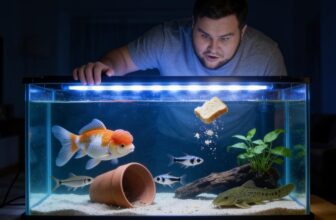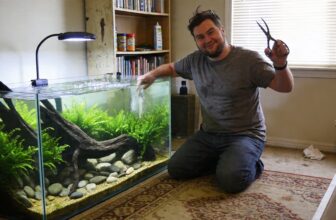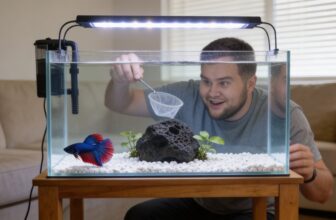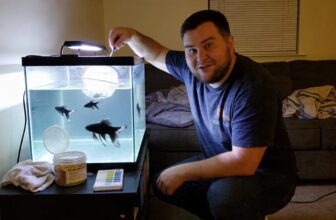
A small glass tank sits on a wooden stand, its water clear but never quite clean enough. Catfish move along the bottom like quiet workers, mouths pressed to glass, sand, or driftwood, eating what other fish leave behind. They don’t ask for attention, yet they keep the whole system balanced. Choosing the right kind matters more than most people realize, and the wrong choice grows too large, too aggressive, or simply fails to thrive. The best species fit your space exactly, and that’s where the real work begins.
At A Glance
- Otocinclus, dwarf corydoras, and Asian stone catfish suit compact ten‑gallon setups perfectly.
- Bronze corydoras, clown plecos, and bumblebee catfish thrive in twenty‑to‑thirty‑gallon community tanks.
- Bristlenose and clown plecos excel at algae control while remaining manageable in size.
- Redtail catfish, tiger shovelnoses, and common plecos outgrow home aquariums and should be avoided.
- Fine gravel or sand substrate protects delicate barbels and supports natural foraging behaviors.
5 Ways Catfish Improve Tank Health and Reduce Maintenance

A filter hums in the corner, but it cannot reach every crumb of food that drifts to the bottom.
Catfish fill that gap, and that’s how they earn their keep.
Through bioticammal symbiosis—the partnership between fish and microorganisms in their gut and on their skin—they process what others miss. This recycling keeps ammonia from spiking, which means fewer water changes, about 20% weekly instead of frantic 50% overhauls.
Their constant grazing stirs biofilm cycling, the breakdown of slimy bacterial layers on glass and rocks. This prevents ugly buildup and stabilizes pH between 6.5 and 7.5.
They’re quiet teammates, working you sleep, belonging in every balanced home.
Catfish for 10-Gallon Tanks: 5 Species That Actually Fit
Ten gallons of water sits on a desk, small enough to fit beside a laptop, and many people want life inside it.
Three species fit this small world without crushing regret.
Otocinclus, the dwarf sucker, grows two inches and cleans algae like tiny window washers. They need friends—six make a shy, brave family.
Tiny window washers, two inches long, need five friends to become brave.
Asian Stone Catfish, barely 1.3 inches, rest like pebbles among rock décor trends. Their stillness feels like patience practiced.
Dwarf Corydoras—pygmy or hastatus—stay under 1.5 inches, stirring sand for crumbs.
Catfish breeding in such tanks brings worry, so most keep singles or small same-sex groups.
Tiny tanks demand restraint, and that’s wisdom, not loss.
Catfish for 20-30 Gallon Tanks: Schooling and Solo Options
Twenty gallons holds more promise than ten, and fish keepers often feel relief when they reach this size—like moving from a cramped closet to a small bedroom where a person can actually stretch.
Corydoras shine here. Six Bronze Corydoras need twenty gallons; they dart across fine gravel, finding crumbs others miss. Their metallic bronze sides catch light like old pennies.
Schooling brings calm—we feel safer in groups, fish and people both. Albino Corydoras, pink-eyed and shy, prefer dim corners with plants.
For solitary keepers, Clown Plecos fit. Four inches, wood-eating, mellow. Driftwood anchors modern tank décor trends; it’s home and food.
Brefish breeding happens in planted hides, safe spaces where eggs stick to leaves. That’s patience, rewarded.
Bumblebee Catfish, three inches striped yellow-black, need caves. They watch, still as stones, then hunt at dusk—timid, not bold, but they belong here too.
Algae Control: Which Catfish Clean Glass, Plants, and Substrate
Green film spreads across glass walls like a slow tide, and fishkeepers feel quietly worried when they see it—algae looks messy, feels out of control, signals something slightly wrong with the balance they’re trying to keep.
The right catfish restore that balance through steady, visible work. Their algae-eating diet and biofilm-scrubbing behavior turn anxiety into relief, one peck at a time.
Trusted cleaners include:
- Otocinclus – tiny, two-inch glass wipers who graze plants gently, leaving leaves whole.
- Bristlenose Pleco – five-inch veterans with whiskered mouths that scour driftwood and rock.
- Clown Pleco – four-inch striped workers who favor submerged wood surfaces.
- Synodontis Upside-Down Catfish – unusual surface swimmers who reach algae others miss.
They do not judge green water; they simply fix it.
Corydoras Catfish Compared: Pandas, Sterbai, and 5 More Popular Types
When someone peers into a quiet tank and spots a cluster of small, whiskered fish pushing their snouts through gravel like tiny pigs hunting truffles, they’re likely watching Corydoras catfish at work.
These peaceful bottom-dwellers bring quiet companionship to community tanks. The Panda Corydoras wears bold black patches around its eyes like a gentle mask, growing just two inches and preferring soft sand for its delicate barbels. Sterbai Corydoras display striking gold and black armor, tolerating slightly harder water than cousins do. Bronze, albino, and peppered varieties each add distinct coloration, all sharing the same social needs.
Corydoras diet demands attention: they require sinking pellets and occasional treats like bloodworms, not just leftover scraps. Corydoras breeding succeeds when water changes trigger spawning, mimicking rainy seasons. Groups of six or more prevent loneliness, these fish feeling safest among their own kind.
Driftwood-Dependent Catfish: Species That Starve Without It
Some aquarium catfish carry a secret hunger that standard fish food cannot satisfy, a need buried deep in their bodies like a root searching for soil.
A secret hunger lives in these catfish—deeper than appetite, older than instinct—pulling them toward what sustains what they truly are.
Wood-eaters lack the enzymes to digest regular meals. Driftwood scarcity triggers starvation risk, even with full bellies.
- Clown Pleco (4 inches): Needs driftwood for dining and hiding, mellow with tankmates.
- Bristlenose Pleco (3-5 inches): Scrapes wood for fibers, adaptable but happier with it.
- Panaque species: Specialized guts require constant wood matter.
- Royal Farlowella (6 inches): Twig-like body, browses biofilm on submerged branches.
enthusiasts watch these fish thrive when driftwood anchors their world.
Cool-Water Catfish: Hardy Options Below 74°F
Driftwood-fed catfish aren’t the only ones with hidden needs tucked beneath their scales.
Cool-water catfish carry their own quiet requirements, like friends who thrive in comfortable silence.
The Asian Stone Catfish, barely 1.3 inches long, rests on smooth rocks in tanks of 10 gallons or more. It prefers temperatures between 64 and 75 degrees Fahrenheit, making cool water breeding possible for patient keepers.
The Glass Catfish, transparent as washed window glass, needs a low-light habitat with planted shadows to feel safe. Groups of five or more help these sensitive fish find courage together.
Bumblebee Catfish, striped yellow and black like their namesake, settle happily at 70 to 77 degrees. A 20-gallon home with hiding spots keeps them calm.
Hardy doesn’t mean forgettable. These species reward careful attention with steady, gentle presence.
Pleco or Corydoras: Which Bottom Dweller Suits Your Setup?
Since every aquarium holds a different story, the choice between a pleco and a corydoras begins with the glass rectangle itself and what lives inside it.
Plecos grow larger, often exceeding five inches, and demand driftwood for digestion.
Corydoras stay small, two to three inches, and root through sand with whisker-like barbels.
Budget coasting favors corydoras, as they eat standard flake food. Substrate compatibility matters deeply: plecos scrape glass and rocks, whereas corydoras need soft sand to protect their sensitive mouths.
- Tank size: under 30 gallons favors corydoras
- Feeding costs: plecos need vegetables and wood
- Social needs: corydoras school in six or more
- Cleanup style: plecos target algae, corydoras sift debris
Both welcome newcomers into aquarium keeping.
How Many Catfish Per Gallon: Stocking Rules for Groups
A single drop of water tells little about the river, so one catfish cannot show you the full joy these creatures bring.
Stocking rules matter for catfish breeding success and aquarium economics. Small Corydoras thrive in groups of six or more, needing about one gallon per inch of fish. Larger species demand more space.
| Catfish Type | Gallons Needed Per Fish |
|---|---|
| Corydoras (2 in.) | 2–3 gallons |
| Bristlenose Pleco (4 in.) | 6–8 gallons |
| Glass Catfish (5 in.) | 6 gallons, school of 5+ |
| Striped Raphael (6 in.) | 10+ gallons |
Overcrowding stresses fish, stunts growth, and wastes money on replacements. Plan carefully, and your shoal will reward you with natural behaviors that solitary keepers never witness.
Catfish to Avoid: Aggressive Giants That Outgrow Home Aquariums
Stocking small catfish carefully leads to healthy tanks, but some buyers make a different mistake entirely. They bring home giants that shatter the peace their community craves.
Stocking small catfish carefully leads to healthy tanks, but some buyers make a different mistake entirely.
- Redtail Catfish grow past four feet, requiring pond-sized spaces no home provides.
- Tiger Shovelnose Catfish, with their massive mouths, swallow tankmates whole.
- Common Plecos reach eighteen inches, overwhelming standard aquariums with waste and bulk.
- Piranha-related catfish display territorial aggression that prevents safe breeding conditions.
These species demand bre size beyond typical means, leaving keepers heartbroken by surrender or loss. Smart hobbyists research adult dimensions first, protecting both their investment and their sense of belonging in this careful, shared craft.
Substrate, Filtration, and Lighting: Tank Setup for Healthy Catfish
When the last catfish swims into its new home, the water itself becomes its whole world, so every pebble, filter tube, and bulb shapes whether that world feels safe or scary.
Fine gravel or sand—substrate grain size between 1-3 millimeters—protects delicate barbels from scrapes and infection. Corydoras root for food; rough crushed coral wounds them slowly, like walking on gravel without shoes.
Filters must turn water 4-5 times hourly, hiding intakes behind plants so shy fish aren’t swept away.
| Need | Solution |
|---|---|
| Rooted foragers | Soft, small substrate grain size |
| Nocturnal species | Dim lighting spectrum, 5000-7000K |
| Glass catfish schools | Gentle flow, plant-shaded refuges |
Proper lighting spectrum matters deeply. Bright white bulbs stress albino and bottom-dwelling species. Warm, subdued light mimics dawn riverbeds, where catfish feel they belong.
Water Parameters by Species: Temperature, pH, and Hardness Guide
Three small glass thermometers, the kind that stick to aquarium walls with suction cups, tell more about a catfish’s comfort than most owners realize.
Parameters aren’t numbers to memorize. They’re invitations, really, for fish to feel at home.
- Corydoras pandas want 72‑78°F, pH 6.0‑7.0—soft, welcoming water for re species breeding.
- Sterbai catfish tolerate slightly harder conditions, pH 6.5‑7.5, showing adaptability.
- Asian stone catfish need cooler water, 64‑75°F, like forest streams they’ve known forever.
- Glass catfish demand stability above all, proving fish tank disease prevention starts with consistency.
Match these conditions, and catfish reward you with calm, visible confidence.
Frequently Asked Questions
Do Catfish Eat Dead Fish?
Yes, many catfish eat dead fish. Most aquarium species perform scfish scavenging, consuming leftover food, debris, and deceased tankmates. This behavior connects to their nocturnal feeding habits, when they become active hunters and cleaners. Their whisker-like barbels help them locate food in darkness. Owners should remove large dead fish swiftly though, as overeating causes health problems. It’s nature’s cleanup crew at work.
Can Catfish Live With Snails?
Most catfish can live with snails, but snail compatibility depends on the catfish’s mouth size and temperament. Small species like Corydoras and Otocinclus won’t harm snails. Larger catfish, such as Pictus, might eat small snails. Shell erosion isn’t a direct catfish behavior, but some catfish stir substrate, which can gritty-wear shells over time. Proper calcium levels and gentle tankmates keep snails healthy alongside their whiskered companions.
Why Is My Catfish Hiding All Day?
A hidden catfish isn’t broken, it’s being itself. Most catfish feel scared in bright light, so they use nighttime camouflage—darker colors that match shadows—to feel safe when the sun’s up. They additionally have a strong substrate preference, meaning they need sand or gravel to root through, like hands feeling for snacks. Without soft ground, they stay tucked in corners, nervous and bored. Check your tank’s bottom.
Do Catfish Need Air Stones?
Catfish don’t always need air stones, but they appreciate them. These fish have varied oxygen requirements depending on species. An air stone creates bubble flow that breaks surface tension, letting oxygen enter the water. Bigger catfish, like the Striped Raphael at six inches, need more oxygen than tiny Asian Stone Catfish. Gentle water movement helps every catfish breathe easier, especially in warm tanks above 75°F where oxygen dissolves poorly. Many keepers add air stones for peace of mind.
Will Catfish Recognize Their Owners?
Catfish don’t recognize owners like dogs do, but they’ll learn your face through feeding behavior over weeks. They’ll swim up when you approach, expecting food. This owner recognition builds slowly, around 2-4 weeks of daily contact. It’s not love—it’s learned trust, and that’s still connection. You belong to their world, just as they belong to yours.
Rounding Up
A fine gravel substrate, perhaps two inches deep, cradles the whiskered faces of Corydoras as they push through with pointed snouts, searching for crumbs. They bring calm to the glass box, these small catfish, by eating what others miss and stirring the bottom so nothing rots. Choose the right size, the right species, and they’ll work quietly alongside you. That’s the gentle promise of catfish—peace through small, steady effort, day after day.