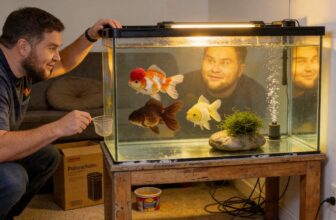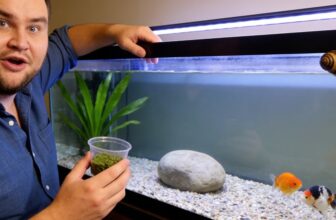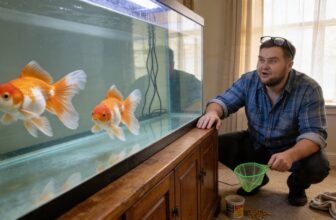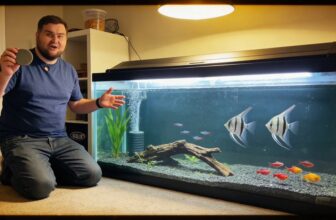
You hold a small, iridescent fish in your mind, its scales catching light like scattered pennies in a sunbeam. The Electric Blue Acara asks for steady hands, measured doses of care, and patience you may not know you own. Water temperature sits at 72 to 82 degrees, a range you check with a simple glass thermometer, the kind you learned in school. The fish breathes through gills, those red feathery slits behind its eyes, pulling oxygen from water the way you pull air through your nose. When gills struggle, the whole body struggles, a lesson about hidden systems carrying visible lives. Your tank needs fifty-five gallons minimum, space enough for swimming paths and territories, like a backyard with room to run. You will test ammonia weekly, keeping it at zero, since invisible poisons collect faster than you’d think. The fish watches you through glass, learning your rhythms as you learn its needs. Something waits in the silence between feedings, a question you cannot yet name.
At A Glance
- House in 55+ gallon tanks with soft sand substrate and driftwood caves for enrichment.
- Maintain water between 72‑82 °F, pH 6.0‑7.5, and zero ammonia or nitrite levels.
- Feed varied diet of 60% dry food, 30% frozen protein, and 10% vegetables daily.
- Pair bonds reduce aggression; compatible with Cory cats, rasboras, and Bristlenose plecos.
- Perform 20‑30% weekly water changes using liquid test kits for parameter monitoring.
Electric Blue Acara: Species Overview and Identification
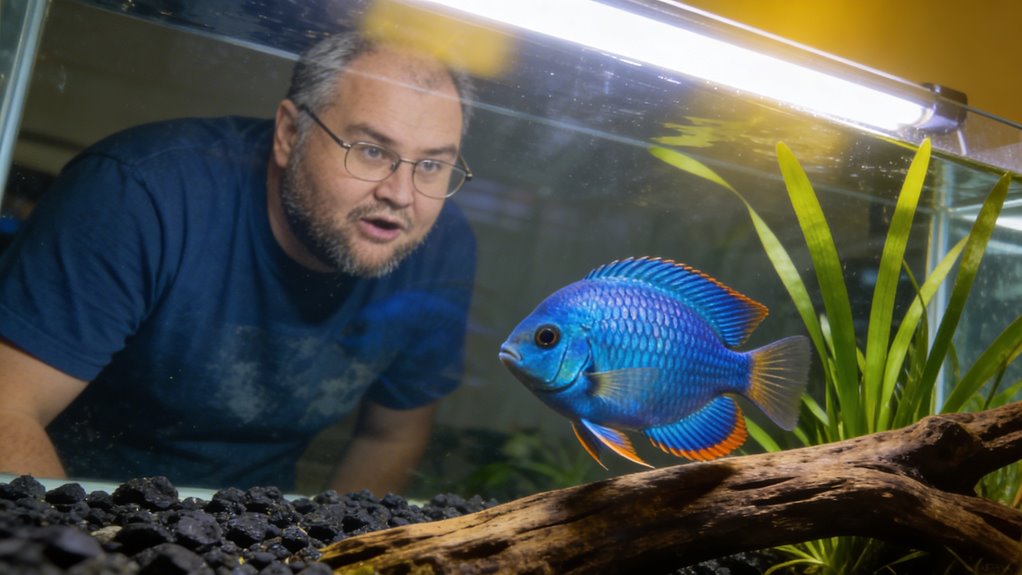
What draws your eye when you spot an Electric Blue Acara swimming in a pet store tank?
You notice the shimmering scales, like someone poured liquid sky onto a fish. That electric blue isn’t accidental—it’s born from careful breeding history, decades of selecting the brightest specimens. Coloration genetics work like a recipe passed down, combining genes that amplify that unforgettable glow. You’re looking at *Andinoacara pulcher*, a South American cichlid reaching six to seven inches, living eight to ten years with you. They come from slow rivers, so you understand why they prefer calm waters. This fish invites you into a community of keepers who value patience, beauty, and connection.
Blue Acara vs. Electric Blue Acara: Key Differences
You might spot a fish that looks almost the same, swimming in the next tank over. That’s the standard Blue Acara, and it’s easy to confuse the two at first glance. When you do a direct color comparison, you’ll notice the Electric Blue shimmers with an intense, almost glowing blue across its entire body, like someone turned up the brightness on a television. The regular Blue Acara shows more subdued tones, olive greens mixed with blue patches, a quieter kind of beauty. This color variation isn’t just lighting, it’s genetics. Both belong to the same species, Andinoacara pulcher, but the Electric Blue is a selectively bred line. You’re looking at generations of careful pairing, choosing the brightest fish to produce offspring. The original Blue Acara carries the natural pattern, earthy and grounded. Neither is better, they’re simply different expressions of what blue can mean. Pick the one that speaks to your eye, and you’ve found your fish.
Tank Size and Water Parameters for Electric Blue Acara
Before you bring home an Electric Blue Acara, you’ll need to prepare a tank that gives this fish room to grow, investigate, and feel safe. A 55-gallon aquarium serves one adult well. Add fifteen gallons for each additional fish.
Your water filtration must circulate twice the tank’s volume hourly, keeping their slow-river home clean and steady. Aim for water hardness between 6 and 20 dKH, matching the mineral-rich streams they know.
Temperature stays between 72 and 82 degrees Fahrenheit. Keep pH from 6.0 to 7.5. Test weekly. Change twenty to thirty percent of their water each week.
You belong here, learning together.
Tank Setup Guide: Substrate, Plants, and Hiding Spots
How does a fish feel safe enough to show its brightest colors? You build a home that protects its body and its feelings.
Start with soft sand, fine gravel, substrate grain size of 1–2 millimeters, smooth enough that digging won’t tear delicate fins. Your Acara roots around like a curious child, and rough edges hurt.
Add plants—floating hornwort, maybe some Java fern tied to rocks—things that sway and dim the light. Then comes hiding spot placement: driftwood caves, slate tunnels, two or three per fish, spaced so no one corner feels crowded. You scatter them like chairs at a family gathering, close enough for comfort, separate enough for peace.
When your fish knows escape is two tail-flicks away, it relaxes, brightens, belongs.
Electric Blue Acara Temperament: Peaceful or Aggressive?
The tank is built.
Now you’re wondering who you’re inviting to live inside. Electric Blue Acara bring you into their world with surprising gentleness, though they’re still cichlids at heart.
You’ll notice color tank hierarchy right away—brighter fish often claim the best spots near the light. Watch them, and you’ll feel like you’re learning the rules of a small neighborhood.
Breeding pair dynamics shift everything. When two bond, they become a team, and their focus narrows to each other and their future fry. They’re peaceful neighbors until they’re parents.
Here’s what you’ll see daily:
- One fish tilts its head, watching you approach the glass
- Fins flare softly during slow-motion disputes over driftwood caves
- A pair cleans a flat stone together, side by side
- Subtle color shifts announce mood changes to those paying attention
- Brief chases that end quickly, like friends remembering boundaries
You belong in this observation. They trust quiet presence.
Compatible Tank Mates for Electric Blue Acara
Three flat stones sit in your tank, and you need neighbors who won’t fight over them. You’re building a community where everyone belongs.
Choose peaceful fish that share your water. Small tetras, rasboras, and dwarf gouramis swim well with your Acara. Cory catfish clean the bottom without causing trouble. Avoid Oscars and fin-nippers; they bring chaos, not harmony.
| Tank Mate | Why They Fit |
|---|---|
| Cory Catfish | Gentle bottom-dwellers, 2–3 inches, soft substrate protects their whiskers |
| Harlequin Rasbora | Mid-level swimmers, 2 inches, school in six or more for safety |
| Bristlenose Pleco | Algae cleaner, 4–5 inches, needs driftwood in your aquarium décor |
| Dwarf Gourami | Top-level peace, 2–3 inches, appreciates floating plants and dim lighting schedules |
Give each fish hiding spots, and watch your underwater neighborhood thrive together.
Feeding Schedule and Portion Sizes
Since you’ve placed your Electric Blue Acara among flat stones and peaceful neighbors, you’ll want to feed them like you’d feed a growing child—often enough to thrive, never so much that waste clouds their home.
Master the balance with this daily rhythm:
- Offer flakes or pellets at dawn, a protein snack at noon, and vegetables before dark—you’re building a feeding frequency of two to three meals that matches their natural appetite cycle
- Scatter portion size equal to what vanishes in three minutes, no more; extra food rots, toxins bloom, and fish suffer quietly
- Blend diet composition of 60% quality dry food, 30% frozen brine shrimp or bloodworms, 10% blanched spinach or spirulina tablets
- Watch their bellies—slight roundness means satisfaction, not bulging distress
- Skip a meal weekly; fasting clears their systems, just as rest renews your own
You belong to a community that notices these small kindnesses.
Breeding Electric Blue Acara: Setup and Triggers
Why won’t your pair spawn even when they look ready? You’re missing the right breeding triggers, friend, and that feels frustrating when you’ve done everything else right.
Set up a 20-gallon tank with fine sand and flat rocks for egg laying. Raise the temperature to 78–80°F, and extend your seasonal lighting to 12 hours daily, mimicking spring’s longer days. Dim the lights when they actually spawn, though, so they feel safe.
Here’s what changes, and why:
| What You Change | What Your Fish Feel |
|---|---|
| Warmer water | Spring is here, time to build a family |
| Longer light | The rainy season brings food, let’s prepare |
| Flat rocks | A clean nursery floor, perfect for eggs |
| Dim spawning light | We’re hidden, safe enough to be vulnerable |
| Fine sand | Soft ground for digging, like home |
Trust the process, be patient, and watch them become parents together.
Electric Blue Acara Fry Care: First 30 Days
Your eggs have hatched, and now you’ve got hundreds of tiny fry clinging to the glass. Welcome to one of the most rewarding weeks in your fishkeeping journey—you’ve joined a quiet club of people patient enough to witness life begin.
You’ll monitor waterhatchery lighting, keeping it dim so these newborns feel safe. Your fry feeding schedule starts with infusoria, those microscopic organisms invisible to your eye but feast to theirs, then microworms around day five, then finely crushed flakes by day ten.
- A yogurt container caught with condensation becomes your hatchery.
- The fry hang like tiny commas against the glass.
- Their yolk sacs shrink like deflating balloons.
- You squint to see if they’ve eaten.
- You count survivors each morning, hoping.
Electric Blue Acara Health: Prevention and Treatment
A net leans against your tallest tank, its mesh still damp from yesterday’s water change, and you’re squinting at a single Electric Blue Acara who has parked itself behind the heater, fins clamped tight like folded paper.
You feel worry settle in your chest, warm and heavy, since you recognize this hiding. This is your fish asking for help in the only language it speaks.
Testing prevention starts with knowing your water’s story.
Grab your liquid test kit, not strips, and measure ammonia, nitrite, nitrate, pH. Zero ammonia, zero nitrite, nitrate under 20 ppm—that’s your safety net, your weekly promise.
Disease treatment follows discernment, not panic.
White spots mean Ich, a parasite you raise temperature to 86 degrees slowly, add copper-free medication. Fin rot calls for clean water, maybe antibacterial remedy if edges fray brown. You’re matching the cure to the sickness, like choosing the right key for a locked door.
Your Acara returns to the open glass, fins fanning gentle as a greeting, and you remember: watching closely is the first kindness.
Weekly Maintenance Checklist for Electric Blue Acara Tanks
Since you can’t see what’s dissolved in water, you hold the test tube up to the morning light, watching the colors shift from yellow to amber, and you know this small ritual is how you keep your fish alive.
Weekly, you commit to small acts that build trust with your living community.
- Test ammonia, nitrite, and nitrate to catch trouble before it finds your fish.
- Scrub your water filter’s sponges in removed tank water, never tap, to preserve helpful bacteria.
- Scan for spots, torn fins, or listless swimming, as early sight saves health.
- Vacuum the substrate cleaning away waste that poisons from below.
- Replace one-quarter of the water, matching temperature, so nobody feels the shock of change.
Frequently Asked Questions
Do Electric Blue Acaras Change Color With Mood?
Your electric blue acara shows mood based coloration, brightening when calm and fading when frightened.
Watch the scales. A happy fish glows vivid sapphire, stress signaling happens through dull, grayish patches that spread like storm clouds across the body.
You’ll notice dark vertical stripes appear during spawning or alarm, nature’s way of saying “back off.”
Check water parameters first. Poor conditions trigger false stress signals.
Give hiding spots, stable heat near 76°F, and gentle tank mates.
Then trust what you see.
Can They Survive in Outdoor Ponds Year-Round?
No, they cannot survive year-round in most outdoor ponds. You’ll need to check your season temperature carefully. When winter drops below 72°F, you must install pond insulation and winter heating to keep their water warm. Seasonal feeding slows as they get cold, so you’ll reduce meals. Without these protections, they’ll die. Bring them inside before first frost, or build a heated greenhouse around your pond.
How Long Until Juveniles Show Adult Coloration?
Juvenile growth proceeds steadily, you’ll notice faint blue hints at eight to ten weeks old. True adult hue spreads across their scales by four to six months, like watching morning light fill a room. Patience rewards you, colors deepen with each water change, each proper meal. At five inches, breeding age, electric brilliance claims them fully. Your consistent care shapes this transformation.
Are They Susceptible to Jumping From Open Tanks?
You’ll want to add a secure lid, since they’re active investigate who’ll test boundaries when startled or chasing food. Your tank risk assessment should account for their curious nature, and proper enclosure design means fitting mesh or glass covers with no gaps wider than half an inch. They’re not notorious jumpers like some species, but they’re capable of surprising leaps if chased or spooked by sudden movements nearby.
Do They Recognize Their Owners During Feeding?
You’ll notice your Electric Blue Acara watching you approach the tank, their eyes tracking your movement before you’ve even opened the lid. This owner recognition develops through repeated feeding behavior, as they learn to associate your shape with food appearing. They don’t feel love, but they do feel anticipation, a calm excitement that shows in quickened swimming. That’s connection enough, earned through patient daily care.
Rounding Up
You now hold the pieces, sand, driftwood, floating leaves, the 55-gallon box of moving water.
You know the numbers too, 72 to 82 degrees, pH like a mild rain, nitrate below 20 parts per million.
Trust your test kit more than your eyes.
The fish will show you calm days, busy days, sometimes tiny fry wriggling like comma marks in a story you did not plan.
Keep watch, stay steady, adjust slowly.
This is enough.