
A rubbernose pleco rests on driftwood, its sucker mouth scraping algae like a tiny vacuum cleaner. This South American fish needs specific care that many aquarists overlook, leading to faded colors and shortened lives. The right setup isn’t complicated, but it does require attention to details that matter more than you’d expect. What separates a thriving pleco from a struggling one often comes down to choices made before the fish even enters the tank.
At A Glance
- House in a 25–30 gallon tank with driftwood, smooth rocks, and gentle water flow.
- Maintain 72–80°F temperature, pH 6.5–8.0, and 8–12 dKH hardness for stability.
- Feed algae wafers, blanched vegetables, and driftwood fiber twice daily.
- Keep peaceful tank mates like tetras or cory catfish; avoid aggressive species.
- Provide hiding spots and dim lighting to reduce stress and support the “breco coating.”
What Is a Rubbernose Pleco and Where Does It Come From?
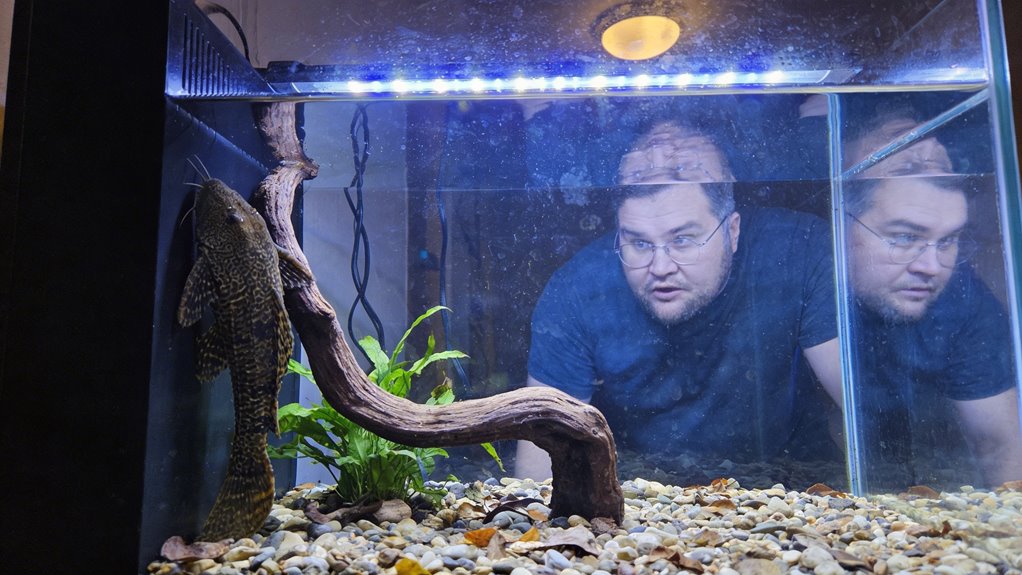
While many fish keepers first notice the Rubbernose Pleco for its strange, bulldog-like face, this little creature carries a quiet dignity that rewards patient observation.

Spacious, stable home for a Rubbernose Pleco to roam and graze.
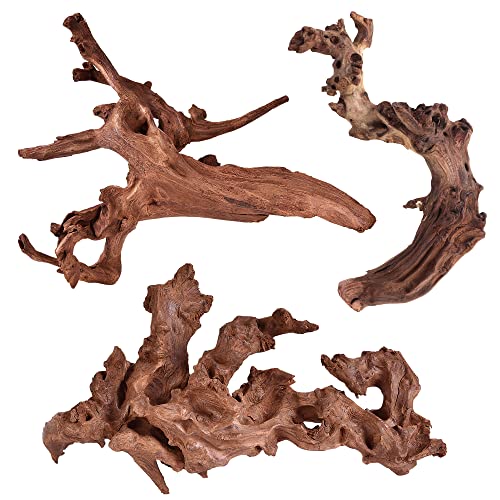
Natural grazing surface and hiding spot that supports pleco health.

Complete daily nutrition for healthy grazing and steady growth.
Check discounted items inFish Tank Supplies
A bulldog face with quiet dignity—this little pleco rewards those who take the time to look closer.
Its scientific name, *Chaetostoma milesi*, hints at a deeper hab history stretching back to South American waters.
This fish, also called the Bulldog Pleco or Chostoma Plecoaet, calls the Magdalena River in Colombia and Venezuela’s Apure River home.
Aquarium trends have lately favored quieter tank mates, and this species fits beautifully.
It grazes algae along rocky riverbeds, adapting to seasonal changes in temperature and water levels.
Wild Rubbernose Plecos bottom-feed constantly, scraping surfaces for food.
Their peaceful nature makes newcomers feel welcome in the hobby.
How Long Do Rubbernose Plecos Live and How Big Do They Get?
A Rubbernose Pleco isn’t a fish that rushes through life, and that’s part of its quiet charm.
These small catfish, reaching about seven inches (18 cm) at most, grow slowly with a modest growth rate. Most stay smaller, around five or six inches. Their life longevity stretches ten to twelve years when cared for properly, giving aquarists a long companion. Genetics, diet, and water quality shape how large and how long they live. Stress shortens their time, whereas steady conditions and good food extend it. They’re not flashy swimmers, but they reward patience with many quiet years together.
What Tank Size Do Rubbernose Plecos Need?
Where does a Rubbernose Pleco truly belong? It belongs in a tank of at least 25–30 gallons, where there’s room to roam, graze, and feel safe.
Think of tank size like a familiar neighborhood—too small, and even gentle spirits grow restless, anxious. These fish reach seven inches, sometimes more, and they need space for their breco coating—that special slimy layer on their bodies—to stay healthy.
Proper gallons mean better algae control, too. More water stays stable, cleaner, supports more surfaces for grazing. A cramped tank stresses them, shortens their ten-to-twelve-year lifespan. Give them room, and they’ll belong with you for years.
How to Set Up a Rubbernose Pleco Tank
How does one build a home for a creature that spends its days clinging to rocks and grazing in quiet corners?
You begin with space, enough for a bottom-dweller to roam without fear.
A tank filter keeps the water clean, moving, alive—just like a stream this pleco remembers. Driftwood gives them something to grip, to feel secure.
Rocks create territories, small kingdoms where each fish belongs.
| Element | Purpose | Placement |
|---|---|---|
| Driftwood | Grazing surface, security | Mid-tank, anchored |
| Smooth rocks | Clinging, territory | Scattered bottom |
| Live plants | Cover, algae deterrent | Background, edges |
| Soft substrate | Natural feeding | Full bottom layer |
| Filter outflow | Gentle current | One corner |
Floating plants dim the light, and that matters. These fish prefer shadows, the comfort of partial hiding. Build slowly, observe, adjust.
What Water Parameters Keep Rubbernose Plecos Healthy?
Three things matter most to a Rubbernose Pleco swimming in your tank: warmth, balance, and steadiness.
Smart water selection starts with temperature between 72°F and 80°F, matching the rivers where these fish evolved. pH stays comfortable from 6.5 to 8.0, neither too sour nor too harsh. Hardness measures 8–12 dKH, soft enough for comfort but firm enough for health.
Substrate choice matters since plecos rest and feed along the bottom. Smooth gravel or soft sand protects their sensitive bellies during grazing.
Test water weekly. Change it gradually, never shocking your fish with sudden shifts. Stability builds trust, and trust keeps them alive.
What Should You Feed Your Rubbernose Pleco?
A Rubbernose Pleco spends its whole day scraping food from rocks, glass, and driftwood with a mouth built like a suction cup.
Algae scraping keeps their digestion working, so owners supply algae wafers and blanched vegetables.
Algae scraping powers their digestion—owners trust algae wafers and gently blanched vegetables to keep these grazers thriving.
Driftwood selection matters more than most realize, since these fish chew wood for fiber and gut health.
Their wild diet leans heavily on plant matter, so cucumber slices, zucchini medallions, and soft greens belong in every feeding rotation.
Leafy greens like romaine lettuce provide roughage.
Skip protein-heavy foods, which feel wrong in their vegetarian bodies and cause bloating that hurts.
Feed variety, they’ll thank you quietly.
How Often Should You Feed Them: and How Much?
Feeding schedules matter just as much as food choice, and getting the rhythm right keeps a Rubbernose Pleco healthy without clouding the water.
Most keepers feed their pleco twice daily, once in morning and once at evening, matching the fish’s natural grazing pattern.
Portion size stays small: what they’d finish in two to three minutes, no more.
Uneaten food sinks, rots, and pollutes, so remove leftovers immediately.
Feeding diet frequency depends on tank age; newer tanks need more supplement since algae grows thin.
Older, established aquariums with green surfaces let you reduce slightly.
Watch their belly—slightly rounded means content, not bloated.
Are Rubbernose Plecos Peaceful?
Since their sucker mouth spends most hours pressed flat against glass or driftwood, the Rubbernose Pleco moves through the aquarium like a quiet visitor who never raises their voice.
A silent grazer, pressing patience against glass like a visitor who needs nothing and asks for less.
They don’t chase, nip, or claim territory from neighbors who aren’t plecos themselves.
This peaceful nature makes compatible care straightforward for beginners who worry about tank drama.
The fish focuses energy on algae control instead of conflict, grazing surfaces for hours without bothering a single fin.
Their calm feels like safety, the kind that helps everyone in the tank breathe easier.
Owners seeking harmony find it here.
What Fish Can Live With Rubbernose Plecos?
Since Rubbernose Plecos spend their days glued quietly to glass or stone, they need neighbors who won’t mistake their stillness for weakness. Compatible cohabitation begins with choosing gentle companions like neon tetras, ember tetras, honey gouramis, or cory catfish. These fish share the Rubbernose’s calm rhythm, creating a community where everyone belongs.
Substrate compatibility matters too. Bottom-dwellers like corys sift through the same soft sand or fine gravel, so there’s enough room for all to graze without conflict. Avoid aggressive fish or fin-nippers; they stress the peaceful pleco and shorten its life. With thoughtful neighbors, the aquarium becomes a safe home for every resident.
Can You Breed Rubbernose Plecos at Home?
Breeding Rubbernose Plecos at home sits somewhere between a distant dream and a quiet hope, like trying to coax a shy turtle from its shell.
The breeding challenges prove steep, with no verified successes in home aquariums in spite of patient attempts.
Hobbyist tips remain scarce, drawn from whispered forums rather than proven science. Experienced keepers suggest pristine water, 75°F temperatures, and caves mimicking riverbank hollows. Still, these fish guard their secrets well.
Attempting reproduction often stresses them, so most find belonging in simply witnessing their quiet grazing. The community waits together, sharing observations, hoping someday someone succeeds.
Is a Rubbernose Pleco Right for Your Tank?
A Rubbernose Pleco fits some tanks like a missing puzzle piece, and others like a square peg in a round hole.
This fish, the Rubnose pleco, brings quiet diligence to your community. Tank aesthetics gain a living ornament that clings to glass and driftwood like a small, spotted stamp. Pleco behavior suits those who find peace in stillness, not flashes of color. Algae control happens slowly, thoroughly, as this bottom-feeder grazes every surface. They need 25-30 gallons, hiding spots, and peaceful neighbors.
Choose this companion if you value steady presence over spectacle.
Frequently Asked Questions
Do Rubbernose Plecos Eat Aquarium Plants?
Rubbernose plecos don’t typically eat healthy aquarium plants, focusing instead on algae and biofilm for their plant diet. Their plant interaction involves gentle grazing on surfaces without damaging foliage.
They’ll nibble soft algae off leaves but won’t consume the plant itself.
Feeding blanched vegetables and quality algae wafers guarantees they’re satisfied without turning to greenery. Proper nutrition keeps these peaceful bottom‑dwellers content, their sucker mouths busy elsewhere, preserving your aquascape intact.
Why Is My Rubbernose Pleco Hiding All Day?
The rubbernose pleco hides all day since it’s nocturnal hiding, meaning it’s most active when lights go out. Daytime hiding stress often signals discomfort, perhaps from bright lights, aggressive tank mates, or inadequate hiding spots. Check water parameters too, since poor conditions increase stress. Provide driftwood, rocks, and plants for security. A healthy pleco emerges at dusk to graze, so observe after dark before worrying.
Can Rubbernose Plecos Live Without Driftwood?
Rubbernose plecos can survive without driftwood, but they’ll feel anxious without it. Smooth river rocks or ceramic caves make fine driftwood alternatives, giving them hiding spots and grazing surfaces. They’ll attach to these, resting peacefully, though they miss the natural fibers driftwood provides. Substrate compatibility matters too—soft sand lets them sift safely, protecting their delicate mouths. Owners should add extra leafy greens to replace missing wood-nibbling, keeping their diet balanced and their stress low.
Do Rubbernose Plecos Clean Algae From Glass?
Yes, they do. A rubbernose pleco uses its sucker mouth, a round disc that seals tight like a vacuum, to cling against glass whilst scraping off soft green film. This algae control helps with tank maintenance, though it won’t wipe every spot clean. They prefer flat, smooth surfaces where their specialized lips grip best, working slowly but steadily like a quiet kitchen sponge on a window.
Why Did My Rubbernose Pleco Stop Eating?
The rubbernose pleco stopped eating since something’s wrong in its world, like a friend who won’t come to lunch.
Stress stresses their body badly. Poor water quality poisons their sensitive system. Temperature fluctuations shock their slow metabolism. Disease symptoms—white spots, clamped fins, bloating—steal their hunger.
Check ammonia daily, keep water at 76°F, and look for odd swimming. A quiet tank heals what words can’t fix.
Rounding Up
A rubbernose pleco fits well in a 25–30‑gallon tank, eating algae wafers and gentle veggies, living 10–12 years with calm fish friends. It needs soft sand, driftwood, hiding spots, and steady water—72–80 °F, pH 6.5–8.0. Test weekly, change water slowly, keep things stable. This fish asks for patience and care, like tending a slow-growing garden. Give it that, and it’ll stay healthy, working quietly, for years.
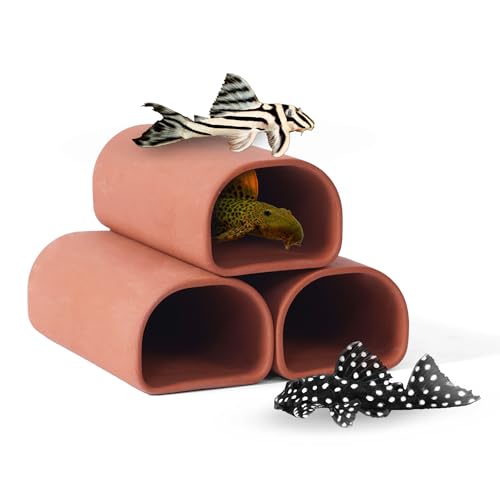
Provides a natural, dark spawning site for shy plecos.

Gentle, safe filtration for fry and breeding tanks.
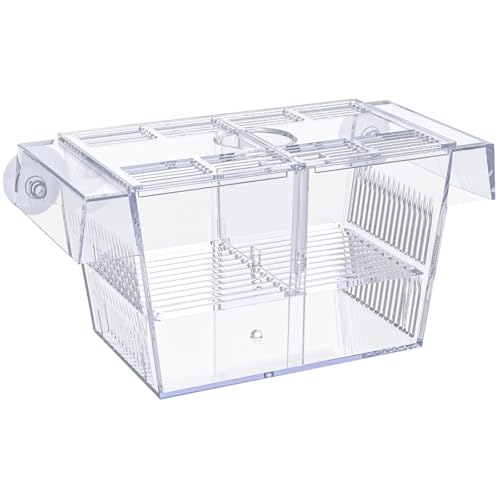
Keeps newborn fry safe and contained while they grow.
See today's best deals onAquarium Breeding Supplies




[…] hiding spots like spawning mops, as stress from chasing can be mitigated by dim lighting and hiding spots to help the female […]
[…] from the water, just like a bamboo shrimp. Like the Rubbernose Pleco, this crab benefits from gentle water flow to mimic its natural river […]