How to tell if your betta is happy comes down to reading subtle cues most owners miss.
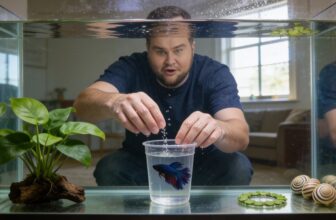
A vibrant betta flashes deep colors and bold fins – never faded hues or clamped stress stripes. It attacks high-protein granules with gusto; spitting out meals? That’s your water quality talking. You’ll spot healthy cruising between resting on broad leaves, not listless hiding that screams boredom or depression.

Keeps water warm and stable for a happy, colorful betta.
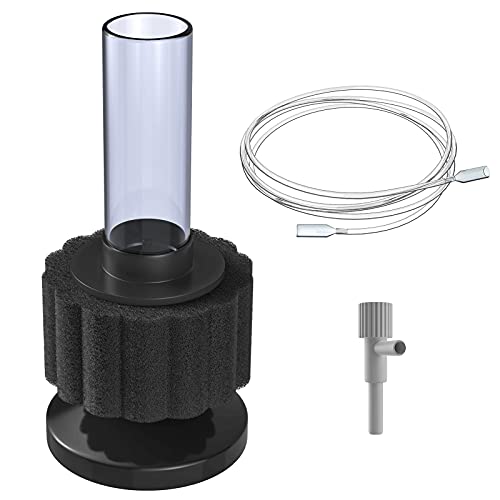
Gentle filtration without strong currents, perfect for bettas.

Monitor temperature easily to prevent stress and illness.
Check discounted items inAquarium Supplies
A bubble nest, while optional, often seals the deal on contentment. Dull colors and constant shelter-seeking? Start with a gentle sponge filter ($15) and a heater with auto shut-off. The right setup transforms a sulking fish into a living jewel.
At A Glance
- Deep, bold colors and relaxed fins indicate a happy betta.
- Active swimming and curious exploration show contentment, not boredom.
- Eager feeding behavior reflects a comfortable, stress-free environment.
- Presence of a bubble nest signals safety and happiness.
- Resting occasionally on leaves, not hiding constantly, means comfort.
Is Your Betta’s Color Faded or Fins Clamped? Stress Signs to Watch
Start by watching your betta’s color. Faded hues or stress stripes, those dark vertical lines, scream discomfort. A happy betta glows, deep blues and reds, bold like a tiny jewel. But dullness, paired with clamped fins pressed tight, signals stress.
Check the tank temperature – steady 75-82°F is key. Cold water saps color and energy. A heater with alumina ceramic body can cut electricity use by 20-30%, keeping warmth consistent. Now, bubble nests? Those foamy rafts on the surface. They mean safety, comfort, a happy fish. No nest isn’t a crisis, some just don’t.
But fading fins? That’s your cue to fix the environment. Add plants, check the heater. Use a heater with automatic shut‑off protection to prevent overheating and keep the water stable. Your fish wants to belong too.
Eager Eating vs. Ignoring Food: What Your Betta’s Appetite Tells You
An appetite is a window into a betta’s essence, though that might sound dramatic for a fish that spends half its day staring at a leaf. When they race to the surface, fins flaring, it signals contentment – often paired with bubble nests, a true happiness flex. Ignoring food? That’s a red flag, usually tied to stress or a too-small tank size. A diverse diet with high protein insect granules can spark enthusiasm similar to the bug-based options used for tropical fish.
| Appetite Sign | What It Means | What to Do |
|---|---|---|
| Eager eating | Happy, healthy | Keep routine |
| Picking at food | Mild boredom | Add plants |
| Ignoring food | Stress, depression | Check tank size |
| Spitting out | Bad food or water | Test parameters |
| After tank move | Goes off food | Wait 2 days |
For a happy betta, regular water changes of about 30% weekly help maintain low nitrite levels.
A betta that eats eagerly belongs to a happy home.
3 Tank Setup Mistakes That Stress or Bore Your Betta
The biggest tank setup mistake is treating a betta like a desk ornament. A tiny bowl or vase is a prison, not a home. Tank boredom sets in fast without space to investigate. Fix it with these three changes:
- Too small a tank. Under 5 gallons limits movement, suppresses bubble nests, and spikes stress. Upgrade to a 5-gallon minimum – $30 to $50 at most pet stores. A 5-gallon minimum supports proper water quality and room for exploration, as noted in compact tank designs like the Vimvins or Fluval kits. Choosing a filter with adjustable flow prevents overwhelming delicate bettas with strong currents.
- No hiding spots. Bare tanks leave bettas exposed, bored, and hiding constantly. Add silk plants or a cave for $10 – they need places to feel safe.
- No water flow or filter. Stagnant water breeds toxins and kills appetite. A gentle sponge filter ($15) keeps water clean without blasting them around.
Bottom line: a proper tank prevents depression.
Active Swimming or Constant Hiding? How to Read Your Betta’s Mood
Setting up a bigger tank with hides and a filter fixes the environment; now look at the fish itself. A stable base with a foam leveling mat reduces vibrations that may stress your betta.
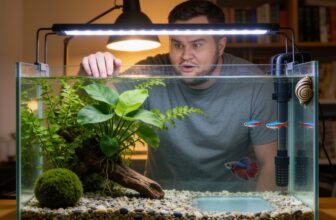
A happy betta actively cruises, occasionally resting on lounging leaves, but never all day. You’ll spot bold colors, eager eating, and even bubble nests – a clear sign of comfort.
Constant hiding or lethargy? That’s depression. Dull colors, clamped fins, and ignoring you mean trouble.
Think of it like this: a bored betta hides; a content one patrols.
Dad’s quip: “If he’s playing hide‑and‑seek, you’ve lost.”
Bottom line: active swimming equals happy, hiding signals boredom fix your tank, stat.
Consider upgrading to a tank with high-clarity glass and a self-cleaning system to reduce manual maintenance.
Frequently Asked Questions
Can a Betta Be Happy in a Tank Smaller Than 5 Gallons?
No. A betta cannot be truly happy in a tank smaller than five gallons. That tank size limits their room to swim and patrol – their natural enrichment needs go unmet. Small spaces cause boredom and stress, dulling colors and appetite.
Admittedly, a betta might survive in a bowl, but “survive” isn’t “thrive.” Just like you’d hate a closet-sized bedroom, a betta needs space to investigate. The minimum five gallons gives them room for plants, hiding spots, and that important exercise.
Short? Yes. Happy? Not really.
Do Bubble Nests Guarantee My Betta Is Completely Happy?
No, a bubble nest does not guarantee a betta is completely happy. This is one of those bubble nest myths that leads owners astray.
While a nest shows the fish feels safe enough and that water quality is decent – clean, warm, stable – it takes more than that for total happiness.
A betta might build a nest in a boring, tiny tank, but still be bored. True happiness requires stimulating decor, space to patrol, and no stress.
A bubble nest is a good sign, but not the whole picture. Give your betta a proper setup – five gallons, plants, varied food – to guarantee genuine contentment, not just a nest.
Why Does My Betta Flare at Its Own Reflection Constantly?
Constant flaring at its own reflection indicates stress flaring, not aggression. The fish perceives an invader it cannot fight, leading to fatigue.
Behavioral enrichment – adding live plants, hiding spots, or adjusting tank lighting – reduces this response. A bored betta often fixates on reflections. The owner should place decorations to break the line of sight. Otherwise, exhaustion follows.
A stimulated betta ignores its reflection; a stressed one does not. The solution: more environmental complexity, less mirror time.
How Can I Tell if My Betta Is Bored Versus Just Resting?
Resting bettas keep a relaxed posture near the bottom or on a leaf, with fins loosely open and minimal movement. Bored bettas show increased flaring frequency at their reflection or tank walls.
Resting posture is calm with slow, steady breaths, whereas boredom includes lethargy and repetitive glass-surfing. If your fish spends hours motionless with clamped fins, that’s boredom.
Check its environment – a 5‑gallon tank with plants often solves the glum vibes.
Can a Happy Betta Suddenly Stop Eating for No Reason?
No, a happy betta does not suddenly stop eating for no reason. Loss of appetite always signals a problem. Check water quality first – ammonia spikes kill hunger fast.
A chaotic feeding schedule likewise throws off their routine; stick to twice daily. Rule out illness or boredom by ensuring a 5-gallon tank with plants.
Bottom line: a sudden food strike means something is wrong. Fix water quality, stabilize the feeding schedule, and monitor daily. They stop eating since they’re stressed, not since they’re being picky.
Rounding Up
So, you’ve spent five minutes diagnosing your betta’s mood. Congratulations, you’re basically a fish therapist now – practicing without a license, which is fine, we’re all doing it. Bubble nests don’t mean it’s throwing a party; faded colors don’t mean it’s writing sad poetry. Check the water ($10 test kit), skip the tiny bowl, and offer a floating mirror. If it swims up, you’re good. If it doesn’t, you’re the problem. Bottom line: a happy fish needs a bigger home than your coffee mug.

Complete 5-gallon tank with filter and light for a thriving betta.

High-protein granules boost energy and vibrant colors.

Removes toxins and adds aloe to reduce stress during changes.
See today's best deals onFish Tank Accessories