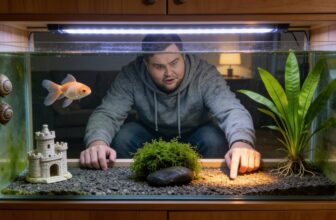
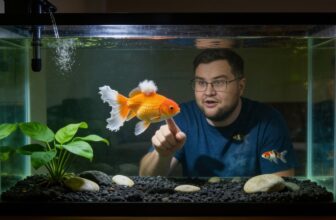
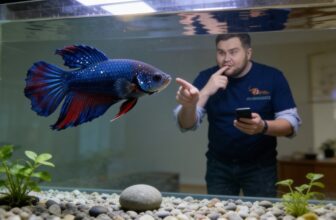
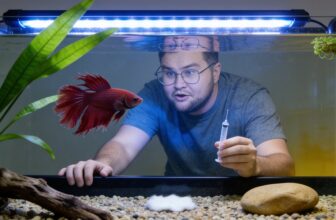
Fish keep dying in your tank? It’s rarely bad luck—and almost always preventable. Overfeeding is the silent killer; offer only what disappears in two minutes. Overcrowding suffocates stock, so budget one gallon per inch of adult fish. Toxic ammonia from uneaten food and detritus burns delicate gills, making weekly water parameter checks non-negotiable. Never rinse filter media in tap water, or you’ll wipe out your beneficial bacteria colony. Stress spikes cortisol without proper hiding spots like driftwood or caves. Unheated tanks create dangerous temperature swings that shock immune systems. Household sprays and air fresheners poison the surface film your fish breathe. Aggressive tank mates—think tiger barbs nipping betta fins—turn peaceful setups into war zones. Always quarantine newcomers for seven days minimum. Spot these patterns? The fixes are simpler than you think.
At A Glance
- Test water weekly for pH, ammonia, nitrites, and nitrates to detect toxicity early.
- Quarantine new fish for one week to prevent introducing diseases to your tank.
- Avoid overfeeding; give only what fish eat in two minutes per meal.
- Use dechlorinator to neutralize chlorine that kills beneficial bacteria instantly.
- Ensure one gallon of water per inch of fish to prevent overcrowding stress.
The #1 Reason Fish Die: Stress and How to Fix It
Stress is the number one reason your fish die. It’s like a broken heater in winter—everything falls apart.
Hiding spots, like driftwood or dense plants, give them a safe zone, lowering cortisol. For nano tanks under ten gallons, choosing small flat driftwood ensures a low profile that supports biofilm growth without overwhelming the scape.
Water changes, done weekly at 25%, flush out stress triggers.
Tank cycling builds that invisible army of beneficial bacteria, turning ammonia into harmless nitrates. Without it, your fish are swimming in poison.
A stressed fish hides, skips meals, and eventually stops swimming. Fix the cause, not the symptom.
Bottom line: match the tank to their nature, and they’ll thrive. Using stable pH provided by certain rock types like CaribSea Life Rock also reduces stress by maintaining water chemistry.
Stop Overfeeding: Why Extra Food Kills Your Fish
Since you love your fish, you might think extra food shows affection—but it’s actually the fastest way to kill them. Overfeeding bloats fish bodies and turns water toxic fast. Beginners often pile in more food than required, thinking fish will eat it all. They won’t. An automatic feeder with precision portion control can dispense exact amounts to prevent overfeeding.
| Issue | Cause | Fix |
|---|---|---|
| Bloated fish | Too much food quantity per meal | Feed only what they eat in 2 minutes |
| Cloudy water | Uneaten food decomposes | Stick to a strict feeding schedule |
| Ammonia spike | Excess waste overloads bacteria | Test water weekly; change 30% |
| Mass die-off | Combined stress from poor diet | Remove uneaten food immediately |
| Sick-looking fish | Chronic overfeeding symptoms | Fast fish one day per week |
Control food quantity and follow a feeding schedule—your fish will thank you. Using a clear‑water formula designed for specific species prevents leftover food from clouding the tank and spiking ammonia.
Is Your Tank Too Small? How Overcrowding Stresses Fish to Death
Cramming too many fish into a small tank is like stuffing ten people into a compact car for a cross‑country road trip—nobody’s happy, and someone’s going to die.
A fish needs room to glide, not just survive. When your tank size is too tiny, space stress kicks in, making them frantic, hugging the glass, or hiding constantly. This wears them down, opening the door to sickness.
Beginners often grab a ten‑gallon, then add fish weekly until it’s a floating sardine can. Proper filtration is also crucial, as three‑stage filtration provides comprehensive debris and chemical removal to maintain stable water quality.
Here’s the fix: give each inch of fish at least one gallon of water. For bettas specifically, even a 2.5‑gallon Aqueon kit provides far more swimming room and stable water conditions than a bowl, reducing stress and illness.
Bad Water Conditions: The Hidden Cause of Most Fish Deaths
Pour water into a tank, add fish, and close the lid—that’s the easy part. The hidden culprit? Toxic water, often from leftover food or gravel residue. This turns your tank into a silent danger zone. For immediate help, a Seachem Prime dose can neutralize ammonia for 48 hours.
Fish thrive only in balanced conditions; dirty water stresses them, leading to death. Regular cleaning prevents this. Scrub algae, siphon gravel, and replace a third of the water every two weeks.
Your filtration system matters too. Ignore these steps, and you’re basically hosting a funeral. For those with multiple tanks, a 50‑ft hose can simplify water changes by reaching several aquariums from one source. Keep it clean, keep them alive. Simple, right?
How to Test Your Water: The One Habit That Prevents Fish Deaths
Cleaning your tank fixes one problem, but it doesn’t tell you if the water is actually safe. Water testing is the habit that prevents fish deaths. Use a liquid test kit, not strips—they’re wildly inaccurate. For instance, liquid reagents typically provide ±5% lab-grade precision, far exceeding the reliability of test strips.
Test pH, ammonia, nitrites, and nitrates weekly. That testing frequency catches trouble early, before fish get stressed. A good kit costs around $25 and lasts months. You’re not guessing anymore; you’re knowing.
Join the club of keepers who don’t lose fish to invisible toxins. Test your water, keep your fish alive. Simple as that. For reliable results, many keepers prefer using a liquid drop method kit like the API Freshwater Master Test Kit for immediate, lab-accurate readings.
Don’t Poison Your Aquarium: Harmful Chemicals That Kill Fish
Since your tank’s water can turn deadly without you even knowing. Many seemingly harmless household items are toxic to fish. They enter through the air or on hands.
- Air fresheners release chemicals that settle on the water’s surface, poisoning your fish.
- Insect sprays are lethal, even when utilized in another room, as fumes travel quickly.
- Hand lotions and soaps leave residues that disrupt the delicate water chemistry.
- Cleaning products containing ammonia or bleach create toxic, fish-killing compounds.
- Candles and incense release microparticles that slowly contaminate the tank water.
- Installing a temperature control chiller can help stabilize water conditions and prevent stress-related deaths in sensitive tanks.
- Using a heater with automatic shut-off and overheat protection helps maintain a safe, stable temperature and prevents sudden equipment failures that can poison the water.
Temperature Swings: Why Your Fish Can’t Handle Sudden Changes
Because fish are cold-blooded, their bodies mirror the water around them, so a sudden temperature swing of just a few degrees can stress them into sickness or death.
You want steady, ideal temperature, typically 74–80°F for tropicals.
That means heater maintenance: check yours monthly; a cheap $15 model can fail, cooking your fish overnight.
Place the tank away from windows or vents—drafts are silent killers.
A reliable heater, like the Eheim Jager for $35, keeps things stable.
Your fish deserve a consistent home, not a roller coaster. Overheat shutdown mechanisms, typically set between 97°F and 99°F, prevent catastrophic temperature spikes.
Stick to the sweet spot. Many models also include dry-burn protection to prevent damage if the water level drops too low.
How Losing Beneficial Bacteria Kills Your Fish
Every aquarium is a delicate invisible world, and the unsung heroes of that world are the beneficial bacteria living in your filter and gravel.
When bacteria loss occurs, water turns toxic fast, and your fish pay the price.
Here’s how you join the club of savvy keepers:
- Beneficial bacteria break down fish waste into less harmful stuff.
- Chlorine in tap water kills them instantly—use a dechlorinator, always.
- Overcleaning your filter removes the colony; rinse it gently in old tank water.
- Adding new fish suddenly overloads the system, causing a bacteria crash.
- Bacteria loss spikes ammonia, burning gills and suffocating fish within hours.
- Using a supplement with documented CFU counts ensures the bacteria you add are alive and viable.
- For reliable protection, choose a conditioner with ammonia detoxification to neutralize the spike immediately.
Keep your bacteria alive, and your fish thrive right alongside you.
Spot Disease Early: How to Identify Infections Before They Spread
Healthy fish are quiet, predictable, and boring. That’s exactly what you want. Spotting infection signs early—like clamped fins, rapid gilling, or white spots—is your best defense. Most diseases hitchhike in on new arrivals.
That’s why fish quarantine is non‑negotiable. A separate ten‑gallon tank, a simple sponge filter, and one week of observation cost maybe $40. It saves your entire community from fin rot or velvet disease. Catching these signs before they spread means you treat one fish, not twenty. Belong to the group that quarantines first, treats later. Bottom line: don’t skip the holding tank. For a hospital setup, consider a compact option like the Penn-Plax Small World for easy medication and observation. Effective waste removal from a sponge filter ensures gentle flow ideal for stressed or sick fish.
Wrong Tank Mates: Why Incompatible Fish Die Suddenly
One of the most frustrating mysteries in fishkeeping is when your fish die, but the water tests perfect and you’ve been feeding just right. The culprit is often wrong tank mates. Incompatibility is a silent killer, turning a community tank into a battleground.
- Aggression & Stress: A cichlid will terrorize a neon tetra, causing fatal stress and hiding.
- Dietary Differences: A fast, aggressive eater outcompetes shy fish, starving them slowly.
- Temperature Clashes: Tropical and cold-water species cannot share a tank, period.
- Size Disparity: A 2-inch fish becomes lunch for a 6-inch predator, not a peaceful coexistence.
- Fin Nippers: Tiger barbs shred the fins of long-finned bettas, leading to infection.
Research species compatibility. Ask your local fish store (the LFS) for advice—your tank’s peace depends on it. Using a fine-mesh net with a cushioned grip can reduce stress when transferring sensitive fish to a separate tank. A secure tank lid with strong magnetic hold can also prevent jump-prone species from escaping after aggressive encounters.
Frequently Asked Questions
How Do I Properly Cycle a New Aquarium?
Cycling a new tank means growing beneficial bacteria that complete the nitrogen cycle—breaking fish waste into less toxic chemicals.
Start by adding a small pinch of fish food daily. Let it rot, feeding those bacteria. Don’t add fish yet.
Test water weekly with a kit ($20–$30); wait until ammonia and nitrite hit zero. It takes four to six weeks.
Yes, it’s dull. But skipping this step guarantees dead fish. Patience pays off here.
How Should I Acclimate New Fish to My Tank?
Use a quarantine tank for one week first—it’s the single best way to prevent introducing diseases.
Then, do drip acclimation: slowly add tank water to their bag over 30-60 minutes (aim for a 1:1 ratio). This avoids shocking them with sudden temperature or pH changes.
Skipping these steps stresses fish, leading to death. A quarantine setup costs around $30 for a basic 10-gallon tank and air pump.
Bottom line: never rush this process; patience here equals fewer fish funerals.
Why Are My Fish Gasping at the Water Surface?
Fish gasping at the surface? That’s a classic sign of oxygen depletion or water toxins messing with their gills—basically, they’re suffocating. Overfeeding or a dirty tank often causes this, as leftover food rots and poisons the water.
Check your filter and do a 30% water change, pronto. For the long haul, test your pH and ammonia levels. Good water quality solves most problems. Seriously, fix the water, and they’ll stop acting dramatic.
Do I Need to Add an Air Pump or Bubbler?
Do you need an air pump? Usually not—unless your tank is overcrowded, has warm water, or lacks plants. A filter’s waterfall adds enough oxygen for most setups.
Skip the pump if:
- You hate pump noise. Bubbles can be loud, too.
- Your fish aren’t gasping.
Add a bubbler when:
- Bubble size matters for gentle movement—fine bubbles are better.
- You want a cheap fix (under $15).
- Your tank feels stuffy or overstocked.
Bottom line: No gasping? No pump needed. Keep calm, keep clean, no bubbles necessary.
How Often Should I Replace the Filter Media?
A filter’s media lifespan is like a trusty old sponge—it works great until it doesn’t, usually every 4 to 6 weeks.
Replacing it too often nukes beneficial bacteria, crashing filter efficiency.
Instead, rinse it in tank water monthly; swap only when it falls apart or clogs.
To avoid toxic hiccups, test water weekly and replace a third at cleaning.
This keeps your squad swimming steady, no drama.
Rounding Up
So, that’s the nitty‑gritty: ten tiny missteps that send fish to the big aquarium in the sky. Fixing them isn’t rocket science—it’s just water science. A $20 test kit beats a $50 funeral. Keep the tank stable, the food measured, and the bacteria happy. Your fish will live long enough to bore your friends with their antics. Bottom line? Stop killing them with kindness, and you’ll earn your fins.