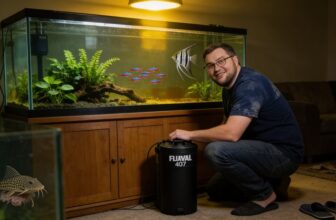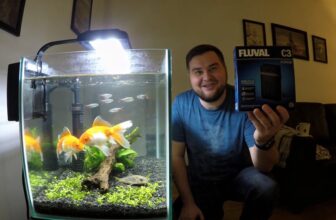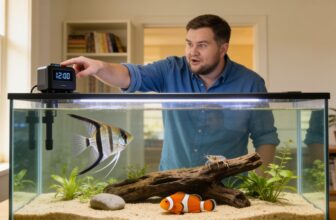
A plastic thermometer floats near the glass, its red line climbing past 75 degrees, but the Dojo Loach doesn’t care. These fish feel weather changes through whisker-like barbels, tiny sensors that read pressure drops before storms arrive, much like grandpa’s knee that aches before rain. They breathe air through their intestines when oxygen runs low, a trick no other aquarium loach can manage. Keepers notice them get restless, darting to the surface, carrying secrets in their slippery bodies that science barely understands. One keeper in Ohio watched his three loaches leap during a tornado warning, all at once, twelve hours before sirens sounded. Something else lives in their cells, something older than the glass box we build. The next paragraph holds what they’ve learned about us.
At A Glance
- Dojo loaches breathe atmospheric air through modified intestines, allowing survival in low-oxygen waters.
- They sense barometric pressure changes and swim frantically before storms, signaling weather shifts.
- Soft sand substrate is essential to prevent barbel injury and enable natural sifting behavior.
- Adults must be removed immediately after spawning to prevent egg predation by the parents.
- Temperature drops over months trigger breeding rhythms and strengthen immune system health.
What Makes Dojo Loaches Different From Other Aquarium Loaches?
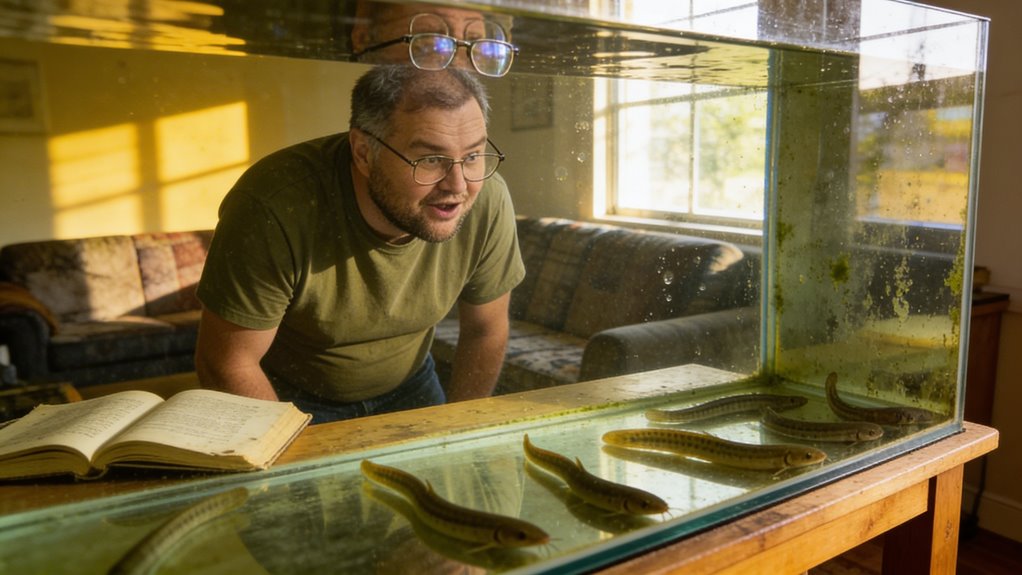
A small, olive-green fish lies half-buried in pale sand, its whisker-like barbels twitching as it tastes the water.
Dojo loaches stand apart through remarkable weather-sensing abilities, their swimming turns frantic before storms approach.
Before thunder cracks, dojo loaches dance—nature’s own barometric prophets in olive-green.
Their temperature behavior shifts dramatically, thriving from 50°F to 82°F when cousins demand narrower ranges.
These loach adaptations include breathing atmospheric air through modified intestines, letting them survive brief escapes from tanks.
Breeding triggers require patient cold spells, several months of chilling to mimic homeland seasons.
Habitat preferences span rice paddies, ponds, and shallow streams across Asia.
They recognize their keepers, offering a gentle, playful connection that deeper, quieter fish rarely share.
Beginners find welcome here.
How to Set Up a 55-Gallon Dojo Loach Tank
The 55-gallon vessel sits empty now, glass walls waiting, and this is where a decade of loach life begins.
You’ll build DIY filtration using a plastic container, foam pads, and lava rock—about five dollars at the hardware store—pumping 200 gallons per hour to keep their water crisp and steady. Lighting ambiance matters too; a soft LED dimmed to 30 percent mimics the dappled ponds they remember, making shy fish feel brave enough to investigate.
- Temperature stays between 65 and 75 degrees, checked daily with a glass thermometer.
- Hideouts go at both ends—driftwood, caves, two per fish—so everyone claims territory without squabbling.
- The lid fits tight, every gap sealed, since escape sits in their nature like hunger or fear.
Water tests happen twice weekly, ammonia held at zero, and you’ll feel the quiet pride of a home built well.
Sand vs. Gravel: Which Substrate Won’t Hurt Your Dojo Loach?
Substrate choice matters more than it looks, since these fish spend their whole lives belly-down against the floor, sifting for food with those sensitive barbels.
Fine sand wins this debate completely, like soft carpet under bare feet, whereas coarse gravel scratches their bellies and traps debris where barbels cannot safely dig. Sand allows natural rooting behavior without injury.
Substrate chemistry stays more stable in sand beds too, preventing pocketed waste from souring water. Cleaning efficiency improves dramatically, as gentle siphoning lifts visible particles without vacuuming away the entire bottom layer your loaches worked so hard to arrange.
How to Keep Dojo Loaches From Jumping Out of Your Tank
Once you’ve got soft sand spread across the bottom, it’s time to look up, as these loaches won’t stay down where it’s safe.
Dojo loaches investigate every surface, including the air above your tank. They’ll squeeze through gaps you didn’t notice, seeking adventure or escaping sudden sounds. A proper lid design keeps your curious friends where they belong.
- Choose a tight-fitting glass or acrylic lid with no gaps wider than a pencil eraser.
- Secure cover mesh over filter openings and any cutouts for cords or tubes.
- Check weekly for warping or shifts that create escape routes.
Your loaches depend on these boundaries. They feel safer knowing limits exist, just like we do.
Dojo Loach Water Parameters for a 10-Year Lifespan
How does a fish live a full decade in your care?
It needs clean water, every day, without fail.
A proper water filtration setup runs quiet and steady, turning ammonia into safe nitrogen through helpful bacteria living in sponges and ceramic rings. Test the water twice weekly, keeping pH between 6.5 and 8.0, hardness at 5–12 dKH, and temperature steady near 65–75°F.
Cooler water, dropped slowly for several months, triggers seasonal breeding instincts. This mimics winter ponds waking to spring. Even though you don’t want babies, this rhythm keeps their bodies balanced, their immune systems strong.
Good water is belonging, made visible.
Why Your Dojo Loach Acts Crazy Before a Storm?
When the barometer drops and clouds gather overhead, your Dojo Loach starts darting toward the surface in quick, vertical bursts that look like panic but aren’t.
The fish senses storm pressure through their swim bladder, an air-filled organ that helps them float. When atmospheric pressure falls, their bodies feel lighter, and they respond with storm-triggered swimming to find balance.
This behavior connects every Dojo keeper to something bigger.
- Your loach feels the same weather changing that you do, making you weather partners.
- Their swimming predicts rain better than some forecasts, giving you shared secrets.
- Watching them builds patience, a gift between friends who belong together.
Which Fish Make Good Dojo Loach Tank Mates?
The storm-watching partnership you’ve built with your loach now opens into a wider circle of friends they can keep.
Peaceful fish make the best companions. Goldfish, white cloud mountain minnows, and harlequin rasboras swim safely with dojo loaches, sharing the water column without conflict. The tank decoration matters here—driftwood and tall plants create separate territories, so everyone feels at home. Rosy barbs and leopard danios also fit well, playing in groups as loaches investigate below. Breeding behavior changes things temporarily; females scatter eggs, and adults become restless. Separate them quickly, or eggs disappear. Three loaches minimum keeps them confident, turning your aquarium into a community where every fish belongs.
How to Hand-Feed Your Dojo Loach
A small sinking pellet held between thumb and forefinger becomes a bridge between two worlds, the dry hand above and the whiskered mouth below. Patience matters here, since Dojo Loaches remember faces but trust builds slowly, across weeks of consistent visits at the same hour each evening.
- Start with a conditioning schedule—feed at 7 PM daily for three weeks before introducing your hand.
- Master hand feeding techniques—keep fingers still, submerge to elbow depth, let them approach.
- Celebrate small victories—a gentle nibble means you’re family now.
This ritual creates belonging, one shared breath between species.
Dojo Loach Diseases: How to Spot Ich and Skinny Disease Early
White spots on a Dojo Loach shimmer like grains of salt scattered across the skin, and these spots mean Ich has already moved in.
This parasite, Ichthyophthirius multifilius, spreads fast through a tank, so preventive quarantine of new fish for two weeks protects the whole community. Watch for scratching against decor, rapid breathing, and clamped fins—these treatment symptoms demand immediate action with heat and medication.
Skinny Disease shows itself differently. The fish eats well but grows thin, wasting away from internal parasites. Early detection saves lives, and gentle observation of your loach’s body shape, especially from above, reveals trouble before it’s too late.
How to Breed Dojo Loaches Using Cold Temperature Cycles
Breeding Dojo Loaches asks something different from keeping them healthy, though both need careful watching.
Breeding Dojo Loaches demands a different attentiveness than mere keeping—both, however, reward the watchful eye.
A thermostat, turned down slowly, starts the journey. Cold cycle timing means dropping water temperature to 50–55°F for six to eight weeks, then warming gradually. This mimics winter’s end, telling the fish it’s safe to spawn.
Three clear steps guide fellow keepers:
- Track temperature daily with a reliable thermometer, patience rewards those who wait.
- Remove adults immediately after spawning; they’ll eat what they laid.
- Use gentle egg incubation methods, keeping eggs in shallow, 70°F water with gentle flow.
Eggs hatch in two to three days, quiet and hopeful.
What to Feed Dojo Loach Fry (From First Foods to Adult Diet)
Where does a fry’s journey begin when it’s barely the size of a grain of rice? It starts with infusoria, tiny swimming creatures too small to see.
New keepers often feel worried about feeding such small mouths. The table below shows a gentle path forward.
| Age | Food | Purpose |
|---|---|---|
| 0-3 days | Yolk sac | No feeding needed |
| 3-14 days | Infusoria | First external food |
| 2-4 weeks | Baby brine shrimp | Growing bodies |
| 1-2 months | Crushed flakes | Building strength |
| 3+ months | Adult diet | Full development |
Temperature cycling, which triggers hatching, must continue gently through feeding stages. Substrate expression appears when fry begin sifting sand for missed food. This marks them joining the community. Patience rewards the keeper.
Frequently Asked Questions
Can Dojo Loaches Live With Shrimp and Snails?
Dojo loaches pose risks for shrimp compatibility and snail coexistence. They’ll nibble snails, though slowly, and may prey on small shrimp. Larger shrimp species survive better. Fine sand substrate, at least 55 gallons, and ample hiding spots help everyone feel safe. Keep three or more loaches together; they’re social, active explorers. Monitor closely, as individual temperament varies in spite of general peacefulness. With care, limited success occurs.
Do Dojo Loaches Need a Heater Year-Round?
Dojo loaches don’t need a temperature heater year-round, though many keepers use one. Their optimal range spans 65°F–75°F, but they’ll tolerate 50°F–82°F. Seasonal temperature drops actually trigger breeding behaviors. Temperature fluctuations within safe limits won’t harm them. A heating schedule proves unnecessary unless room temperatures plunge below 50°F. Hardy and adaptable, these fish thrive when conditions shift naturally, mirroring their native rice paddies and streams.
How Many Dojo Loaches Should I Keep Together?
They should keep at least three dojo loaches together, as these fish feel safe and happy in small groups.
A single loach hides, but three or more play, investigate, and sleep in cozy piles. Their substrate preference for soft sand lets them dig together, which builds trust. Breeding dynamics work better in groups too, since cooler months trigger natural behaviors. It’s like how friends help each other feel brave.
Why Is My Dojo Loach Changing Color?
A dojo loach changes color because of color adaptation or stress response. Stress response happens when water quality drops, the tank’s too small, or hiding spots are scarce. Color adaptation likewise occurs naturally with mood, lighting, or substrate changes. Check ammonia and nitrite levels immediately, guarantee the tank holds at least fifty-five gallons, and add driftwood or plants for security. Healthy loaches display stable, lively tones when comfortable.
Can Dojo Loaches Survive a Tank Cycle?
Dojo loaches shouldn’t endure a tank cycle if it’s avoidable, since ammonia and nitrite spikes stress their hardy bodies. Nevertheless, if one must, robust tank filtration helps process toxins, and a sparse feeding schedule—small portions every two to three days—reduces waste buildup. They’re resilient, not invincible, so water changes every forty-eight hours become crucial. Patience and close observation carry them through, building trust between keeper and fish.
Rounding Up
A fine-mesh net resting on the water surface catches moonlight, and the dojo loach swims below, safe. Keepers who measure pH precisely, who watch barbels twitch before storms, build trust slowly, like sand sifting through gentle fingers. The tank holds ten years of quiet company. Patience rewards you with recognition, with fry growing strong. This fish teaches that small attentions—consistent temperatures, soft light, prepared foods—create a thriving home. You can do this.