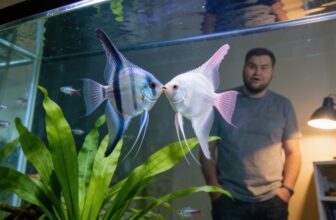
Guppy pregnancy signs are easy to spot once you know what to look for. A rounder belly and darkening gravid spot—that black dot near her tail—are your first clues.
These tiny livebearers cannot fake pregnancy, so trust what you see. Calculate birth in 21–30 days from conception.
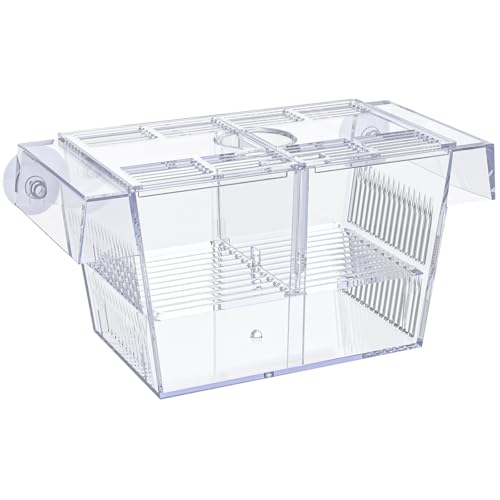
Fast, stress-free separation before labor; newborn fry stay safe.

Keeps fry isolated while allowing water flow; easy observation and feeding.

Protects 12–50 fry from adult guppies; ideal for birthing tanks.
Check discounted items inBreeder Boxes
As labor nears, her belly turns square, breathing quickens, and she seeks hiding spots. Do not net or poke her; stress can trigger early labor.
Keep lights low and water stable at 77–79°F for a smooth delivery. Use an $8–$15 mesh breeder box or dense java moss to protect the 12–50 fry from becoming snacks.
At A Glance
- A darkening gravid spot near the tail is an early pregnancy sign.
- A square-shaped belly indicates active labor is imminent.
- Hiding behavior signals your guppy is seeking safety before birth.
- Rapid breathing and hovering in place mean contractions have started.
- Separate the mother into a breeder box or dense plants to protect fry.
Spot the First Signs Your Guppy Might Be Pregnant
Belly bulge—if you notice your female guppy starting to look a little rounder than usual, that’s your first clue.
Gravid spot changes follow, darkening near her tail as pregnancy progresses; it’s like a built-in progress bar.
Hiding behavior causes concern, but she’s just seeking safety from tank mates before labor.
Rapid breathing and swimming in place, body still, signal contractions.
Remember, guppies can’t lie about pregnancy—they’re tiny, honest fish.
Watch for these signs, and join the confident grower’s circle.
You’ll spot her condition before she even needs a maternity gown.
Calculate Your Guppy’s Due Date (21–30 Days)
With a gestation window spanning 21 to 30 days, you can pinpoint your guppy’s due date by counting from when she was first introduced to a male—or from when you spotted that initial belly bulge. Just remember, she might surprise you.
With a gestation window spanning 21 to 30 days, you can pinpoint your guppy’s due date, but she might surprise you.
- Track each gestation week; the second week shows a darkening gravid spot.
- Guppy fry count averages 12–30, but 50 is possible—don’t panic.
- Keep water temperature steady at 77–79°F to avoid delays or deformed fry.
- Add plenty of hiding places like java moss; she’ll feel secure and less stressed.
- A premature birth? Usually poor conditions or a young mom; adjust care accordingly.
- Using a quiet piezoelectric air pump can keep the tank stable without stressing the mother.
Bottom line: mark day one, then wait. That due date is a generous guess. You can also use Water Spangles to create natural shade and reduce algae, helping to keep the tank stable for the fry.
Identify Active Labor and Imminent Birth
Active labor in a guppy is unmistakable once you know what to look for—think of it as the fishy equivalent of pacing the waiting room floor.
The gravid spot, that dark patch near her tail, turns almost black and may show tiny fry eyes.
Her belly square, losing its roundness, signals contractions are pushing fry into position.
She’ll shiver, hover in place, or dart to a heater.
Breathing gets rapid, and she might ignore food entirely.
You’re part of the club now—just watch, don’t interfere.
The birth is minutes away.
Monitoring with digital thermometers can help you track water temperature, ensuring optimal conditions during this critical time. Accurate temperature monitoring is essential because these devices offer ±1 °C lab-grade precision for stable water conditions.
How to Help During Birth (Without Stressing the Mother)
Observation, not intervention, is the key during a guppy’s labor. Your job is to be a calm, silent spectator – no net chasing, no tank poking. She’s got this. The gestation length is around 21-30 days; when labor starts, just watch.
- Keep the lights low to reduce stress; a dim tank is a happy tank.
- Maintain water between 77-79°F – warm but not hot; think gentle spa, not sauna.
- Guarantee dense plants for hiding; she needs cover, not a crowd.
- Offer fine crushed flakes, but don’t panic if she refuses; birth is work.
- Respect her space; the fry count depends on her staying calm, not you hovering.
You’re a guard, not a doctor. Let nature do its thing. Using an Ultum 4‑inch silencer can further reduce background turbulence and overflow noise during this sensitive time.
A pump noise under 18 dB ensures your calm presence doesn’t disturb her labor.
Protect Newborn Fry From Being Eaten
From the moment those tiny fry emerge, they face a perilous world where their own mother views them as a convenient snack. Guppy gestation doesn’t inspire parental instinct. They’ll eat their young, no guilt.
From the moment those tiny fry emerge, their own mother views them as a convenient snack.
A birthing tank is your best bet, a cheap mesh breeder box works—$8 to $15. It separates fry from adults instantly. Load it with dense plants, like java moss or hornwort, giving them actual hiding spots. Without it, they’re sushi.
You want survival rates? Remove adults after birth. Fry need micronized food, like Hikari First Bites ($6), ground flakes, or baby brine shrimp. A low‑flow filtration system prevents strong currents from stressing delicate fry.
Bottom line: breed for fun, but plan your setup. Your guppies don’t care. They just see snacks. For optimal water flow and fry safety, choose a model with mesh net design to prevent stagnant corners and waste buildup.
Frequently Asked Questions
Can I Keep Two Pregnant Guppies in the Same Tank?
Yes, two pregnant guppies can share a tank, provided there is ample space and hiding spots.
Tank aggression prevention is essential, as stressed females may abort.
Use breeding box placement only if they are near birth, but otherwise, leave them in the main tank.
Keep water stable, temperature 77-79°F, and add plants.
They will not help each other, but with room to retreat, they coexist fine.
How Long After Birth Can She Get Pregnant Again?
A female guppy can get pregnant again just hours after giving birth. The postpartum mating cycle begins almost immediately, so the female guppy recovery window is practically non-existent.
She can store sperm for months, meaning one mating session can produce multiple batches of fry. To avoid back-to-back pregnancies, remove the male or separate her for at least a few weeks.
It’s a relentless cycle, but you can manage it with smart tank planning.
Why Did My Guppy Give Birth to Unfertilized Eggs?
Your guppy likely released unfertilized eggs because of stress induced spawning, a common response to environmental triggers like sudden temperature shifts or poor water quality. Think of it as her body hitting the panic button—she drops eggs to lighten the load.
Check ammonia levels and keep the tank stable between 77°F and 79°F. Scoop out those eggs; they won’t hatch. It’s not ideal, but it happens.
A calmer tank means fewer surprises.
What Should I Do if My Guppy Dies During Labor?
If a guppy dies during labor, remove her swiftly to prevent stress in grieving tankmates.
Perform a ritual disposal—burying or flushing—to maintain water quality.
Check ammonia levels; poor conditions often cause labor complications.
Keep the tank stable at 77–79°F for surviving fry.
It’s a bummer, but it happens.
Focus on preventing future losses by reducing stress and aggression.
Bottom line: act fast, clean up, and learn from it.
Do Pregnant Guppies Need Special Food or More Protein?
Yes, pregnant guppies benefit from higher protein content in their food. Think of it as building tiny fry—they need the fuel.
Increase feeding frequency to small, frequent meals, maybe three times daily, but don’t overdo it; a bloated guppy is a stressed guppy.
Offer quality flakes or pellets with 40-50% protein, or live foods like brine shrimp. It’s like a prenatal vitamin, but for fish.
Just keep portions tiny to avoid dirty water.
Rounding Up
So, that’s the skinny on guppy gestation. Spot the signs, watch the clock, and you’ll avoid a frantic fry‑rescue. A separated mother in calm, clean water—around 78°F, with hiding plants—delivers with less drama. Newborns need immediate cover; a breeder box costs ten bucks. Skip the stress, keep it simple, and soon you’ll be dodging tiny, wiggly passengers. Bottom line: watch, wait, and separate. Your guppy’s gratitude? She’ll show it with a full, healthy spawn.

Micronized diet for newborn fry; promotes strong growth and survival.

High-protein live food for fry and pregnant guppies; easy to hatch.
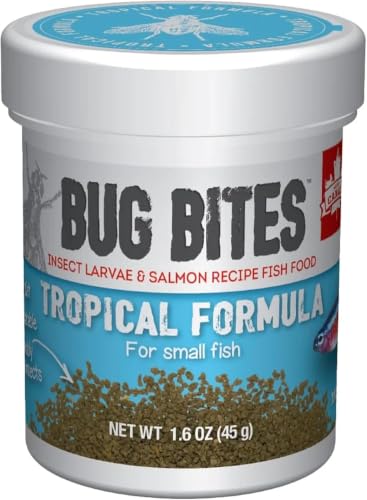
Protein-rich flakes boost brood strength; excellent for daily guppy feeding.
See today's best deals onFry Food