Spirulina’s a solid supplement, not a staple—you’ll feed it twice weekly, skip consecutive days, and watch your Betta’s reds and blues pop in 2–4 weeks.
The 60–70% protein and anti-inflammatory phycocyanin (that’s the blue pigment with health perks) support immunity and fin healing, fiber keeps digestion smooth.
Grab organic powder or $5–12 pellets, use a modest pinch, and remove uneaten bits fast or you’ll get green water and algae chaos.
Fry under 8 weeks skip this entirely—too much filler, not enough protein.
Stick to the schedule, and your fish stays vibrant without turning the tank into a swamp.
There’s more to the dosing routine and tankmate rules ahead.
At A Glance
- Spirulina’s 60‑70% protein, vitamins, and phycocyanin boost immunity, tissue repair, and energy in Bettas.
- Beta‑carotene and chlorophyll enhance red, blue, and green coloration within two to four weeks.
- Fiber and digestible protein reduce constipation and bloat while supporting beneficial gut bacteria.
- Feed pellets twice weekly or a modest powder pinch, skipping consecutive days to prevent algae blooms.
- Choose organic, additive‑free, third‑tested products and remove uneaten food immediately to protect water quality.
What Is Spirulina: and Should You Feed It to Your Betta?
Spirulina is a blue-green algae that grows in both fresh and saltwater, and yes, you absolutely should consider feeding it to your Betta—though maybe not for the reasons your hipster cousin raves about their $12 green smoothie.
Spirulina isn’t just for overpriced smoothies—your Betta needs this superfood more than your cousin does.
This stuff packs 60-70% protein, plus vitamins A through K, minerals, and antioxidants like beta-carotene—it’s basically fish superfood.
- Nutrient synergy: These compounds work together, boosting what your Betta actually absorbs
- Spirulina sourcing: Look for organic, non-GMO powder without weird additives (USDA Raw runs about $15-25 for 8 oz, way cheaper than your cousin’s habit)
- Monitoring tip: For consistent tank health, you can track water parameters with a Wi‑Fi 8‑in‑1 monitor that sends real-time alerts to your phone
Bottom line: feed it 1-2 times weekly. Your Betta’s brighter colors will speak for themselves.
How Spirulina Boosts Your Betta’s Immunity and Healing
When your Betta’s looking a little ragged after a scrape with the filter intake or that plastic castle you swore was smooth, you’ll want something in your arsenal beyond “hope and clean water.” That’s where this green powder earns its keep—Spirulina’s packed with phycocyanin, a fancy word for a blue pigment that happens to be a potent anti-inflammatory, and it’s swimming with antioxidants like beta-carotene and vitamin E that actually help your fish’s cells repair themselves.
These nutrients kickstart immune modulation, balancing your Betta’s defenses so they’re not underreacting or going haywire.
You’re supporting healing pathways, meaning torn fins mend faster and minor infections get nipped early. Think of it as wound care you sprinkle.
- Phycocyanin reduces inflammation
- Antioxidants accelerate tissue repair
- Minerals strengthen cell membranes
Feed a pinch twice weekly with regular food. No miracles here, just solid backup—like having a first aid kit you actually use.
A specialized liquid mineral blend like Crystalpro Betta Minerals directly supports fin health and coloration alongside Spirulina’s tissue-repair benefits.
Bottom line: Spirulina won’t replace clean water, but it gives your fish’s body the tools to fix itself smarter and faster.
Can Spirulina Really Enhance Your Betta’s Colors?
Your Betta’s washed-out fins are trying to tell you something, and it’s not *get a new rug*.
Spirulina delivers. It’s loaded with beta-carotene, a color pigment that cranks reds, oranges, and yellows up to eleven. Chlorophyll brightens greens and blues, too—no green fish, promise.
The verdict? Yes, it works, when you feed quality stuff.
- Algae safety matters—buy organic, additive-free powder (around $12-15 for 8oz)
- Mix a pinch with food 1-2 times weekly
- Expect visible brightening in 2-4 weeks
Skip the cheap filler-laden flakes. Your fish deserves better, and frankly, so does your aquarium cred.
Bottom line: Spirulina’s a legit pigment booster, not snake oil.
This pigment boost is most effective when combined with high light transmission from a clear tank cover to help show off those enhanced colors.
How Spirulina Supports Your Betta’s Digestion
Since a constipated Betta is about as fun as a clogged drain, you’ll want something that keeps things moving without turning your tank into a science experiment gone wrong. Spirulina’s fiber content works like nature’s gentle plunger, and that 60-70% easily digestible protein? Your Betta actually uses it instead of letting it rot in their gut.
Here’s the real kicker: gut microbiota modulation. That fancy phrase just means Spirulina feeds the good bacteria in your fish’s digestive tract, balancing their internal ecosystem so they process food efficiently.
The gut-nutrient pairing happens automatically—you’re matching digestible algae with whatever else you’re feeding. Think of it like adding a digestive wingman to every meal. Less bloat, healthier poops, fins that don’t clamp from discomfort. Just make sure your tank has an aquarium heater with automatic shut-off for consistent water temperature, which further supports stable digestion.
Spirulina won’t fix overfeeding sins, but it’s your insurance policy against them.
Simple Ways to Add Spirulina to Your Betta’s Diet
Now that you know why your Betta’s gut actually likes this green stuff, let’s talk about getting it into their mouth without a fight.
Start with commercial spirulina-enriched pellets—these run $5-12 and fit a Betta’s tiny pie-hole, no fuss.
For colorulina budgeting, buy organic powder in bulk ($15-20 for 8oz), then lightly dust frozen brine shrimp before tossing them in. It’s like seasoning, but for fish.
Smart algae sourcing matters: stick to USDA-certified or aquarium-grade labels, not sketchy bulk bins.
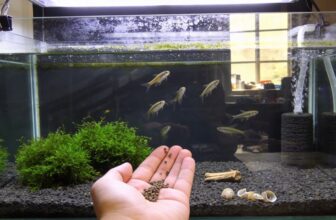
Mix a pinch with tank water, coat their usual food, and watch them strike.
That’s it. No blender, no tears, no DIY disasters.
For the cleanest feeding experience, use a suction cup ring that keeps floating spirulina-coated food contained and filter-free.
DIY Spirulina Recipes Your Betta Will Actually Eat
Why settle for store-bought when you can play amateur fish chef in your own kitchen? You’re about to join the ranks of betta keepers who whip up gourmet algae treats.
The “Gelatin Greenie” costs maybe $3 in supplies. Mix one teaspoon Spirulina powder with unflavored gelatin, mashed pea (fiber helps digestion), and a pinch of crushed pellets. Pour into ice cube trays, freeze, and break off crumb-sized portions. Proper Spirulina storage matters—keep that powder airtight and dark, or you’ll feed your fish stale green sadness.
Betta breeding enthusiasts swear by protein-rich recipes. Add brine shrimp, freeze in thin sheets, and snap off bits. Your fry grow faster, your adults shine brighter. Full spectrum lighting supports all photosynthetic stages for any live foods you culture alongside.
Bottom line: fifteen minutes of prep, weeks of healthy feeding.
Pellets, Powder, or Tablets: Which Product Is Right for Your Betta?
You’ve got three contenders for your betta’s attention, and picking wrong means either a fish that spits out half its dinner or a tank that looks like a spinach smoothie exploded.
Pellets win for cost formulation timing—grab spirulina-enriched brands for $8-12, feed two pellets twice weekly, done. No mess.
Powder lets you dust frozen bloodworms or mix DIY gel food, but algae sourcing matters—pay extra for organic, non-GMO, or you’re feeding pond scum with a marketing degree.
Tablets (~27% spirulina) sink fast; great for bottom-feeding tankmates, less ideal for surface-gulping bettas.
Powder offers control. Pellets offer sanity. Pick your battle.
Bottom line: start with pellets, graduate to powder when you feel fancy.
For tankmates like shrimp, you can sink a shrimp-safe liquid fertilizer to boost plant growth without harming your betta’s buddies.
What to Look for on Spirulina Labels (and Red Flags to Avoid)
How do you tell premium algae from expensive pond scum?
You flip that jar and read like your fish’s life depends on it, since, well, it kinda does.
Look for these green flags:
- Organic certification – USDA or equivalent, not just fancy font choices.
- Sustainable farming – pond-grown beats wild-harvested, fewer mystery toxins.
- Contaminant testing – heavy metals and microcystins ruin everything; demand third-party labs.
- No antioxidant tricks – if the ingredient list reads like a chemistry set, put it back, champ.
Skip vague “proprietary blends” and neon-bright powders. Your betta deserves better than your questionable protein-powder phase.
Just as with human supplements, the buffer capacity of the powder correlates with how effectively it stabilizes pH in your tank.
Buy clean, feed confident.
How Often Should You Feed Spirulina to Your Betta?
Twice a week keeps the green cloud away, and that’s honestly the sweet spot most betta keepers land on after some trial, error, and maybe one cloudy tank disaster they’d rather forget.
Stick to a modest spirulina dosage—think pinch, not pour—and you’ll dodge the algae bloom that turns your tank into pea soup.
You’re aiming for tank stability, not a science experiment gone sideways.
Some individuals push three times weekly with young, growing fish, but watch your water closely.
Skip consecutive days, though.
Spirulina’s a supplement, not supper, and your betta’s belly (and your filter) will thank you for the restraint.
Remember that a gentle flow sponge filter is ideal for bettas, maintaining calm water conditions that complement a stable tank environment.
5 Positive Changes to Watch For After Adding Spirulina
Once you start slipping spirulina into your betta’s rotation, you’ll want to know if it’s actually doing anything besides tinting your fingers green.
You’ll spot four clear wins:
- Brighter reds and blues—your fish joins the latest colorivation trends without Instagram filter, looking like a million bucks.
- Crystal tank water—better digestion means less waste, so water clarity stays sharp, like HD for your living room.
- Faster healing—fins heal quicker than you can say “spirulina smoothie,” no extra bandages needed.
- Zoomies—your betta darts around with energy that puts your morning coffee to shame, even that triple-shot.
Pairing this with a high-capacity nitrate remover like Seachem de*nitrate can help maintain the clear water your betta thrives in.
Side Effects to Watch For (and How to Fix Them)
Why does a superfood sometimes backfire?
You push too hard, too fast, and suddenly your pristine tank looks like a swamp experiment gone wrong.
Watch for water color spikes—your crystal-clear home turning murky green or blue‑green, usually within 24–48 hours of heavy feeding.
Your crystal-clear tank turning murky green within 24–48 hours means you’ve pushed your superfood too hard.
That’s your cue you’ve overdosed.
Algae blooms follow fast, coating glass with that slick, fuzzy nuisance nobody invited.
Nutrient leaching from uneaten powder spikes phosphates, feeding even more problems.
Filamentous growth—those stringy green hair algae—takes hold in weeks, stubborn as crabgrass.
Fix it fast: cut dosage by half, skip a week, siphon debris, and double your water changes.
Your betta forgives, but your filter won’t forget.
Less truly is more here.
Can You Feed Spirulina to Sick or Baby Bettas?
When you’re staring down a clamped‑fin invalid or a speck of a fry barely bigger than a comma, you’ll wonder if that green dust in your cabinet is medicine or menace. Good news, fish parent—it’s neither poison nor placebo.
For your weakest swimmers:
- Sick adults — Nutriceutical research backs phycocyanin (that blue antioxidant) for reducing inflammation, so you’ll help, not cure.
- Fry under 8 weeks — Skip it; their babyta health demands protein‑first diets.
- Juvenile recovery — A pinch on soft foods accelerates healing without overloading tiny guts.
- Water wariness — Remove uneaten bits immediately; sick fish need pristineconditions, not algae soup.
Start with half‑pinch doses, twice weekly.
Will Spirulina Turn Your Betta Green?
How exactly did a blue-green algae turn into a boogeyman that’ll dye your crimson fighter into a murky lime?
You’ve heard the whispers in forums, maybe chuckled at photoshopped “Hulk Betta” memes.
Here’s the straight truth: spirulina won’t turn your fish into a shamrock.
This color pigment myth persists since spirulina *is* green algae, rich in chlorophyll.
But your betta doesn’t absorb pigment whole—its body metabolizes nutrients, using beta-carotene and other compounds to deepen *existing* colors.
Reds get redder, blues intensify. No emerald transformation occurs.
Feed it, watch natural vibrancy emerge.
Your fish stays its gorgeous self, just more of it.
Is Spirulina Safe for Your Betta’s Tank Mates?
Here’s who cashes the spirulina check:
- Neon tetras – nibble flakes, flash brighter stripes
- Corydoras – sift powder like tiny vacuum cleaners
- Mystery snails – graze tablets, keep glass spotless
- Amano shrimp – pick at residue, assist algae bloom control
You’re basically running a community garden. Uneaten bits? Snail janitors handle cleanup. No green water explosions, no sulking fish—just one big, scaly family thriving together.
Frequently Asked Questions
Can Spirulina Replace Protein in Betta Diets?
No, you can’t swap protein for spirulina and call it a day. Your betta’s a carnivore, first and foremost.
Spirulina packs 60-70% protein, certainly, but it’s plant-based—missing key amino acids your fish craves from meaty sources. Think of it as a nutrient balance booster, not a protein alternative. You’re looking at $8-15 for quality powder, used once or twice weekly.
- Improves immunity and color (beta-carotene’s your friend)
- Aids digestion, not replaces muscle-building nutrients
- Overdo it, you’ll cloud the water and bloat your fish
Bottom line: spirulina complements, it doesn’t replace. Keep those bloodworms and pellets in rotation—your betta’s no vegetarian, and neither are you, probably.
Does Spirulina Expire or Lose Potency?
Yes, spirulina expires; you’re dealing with nutrient degradation, not magic dust from a mermaid’s pantry.
Shelf life runs 1–2 years unopened, six months once you crack that seal—less if you’re careless. Store it airtight, cool, and dark, like that embarrassing mixtape you hid in 2007.
– Clumping, fading color, or a fishy (not earthy) smell means it’s toast.
Bottom line: Label the jar, $12–$18 for quality powder, and treat it like milk—buy smaller, use faster. Your Betta’s immune boost depends on fresh stuff, not that ancient jar from the back of your cupboard, which we’ve all done.
Should I Refrigerate Spirulina Powder?
Storage methods that actually work:
- Airtight container in a cool, dark cupboard: 2 years
- Refrigerated, sealed tight: 2+ years, less nutrient degradation
- Freezer: overkill, honestly, though it’ll do the job
Heat and light are the real enemies here—oxidation turns your green gold into expensive dust.
Refrigeration’s cheap insurance for a $15 tub. Your call, but my powder lives next to the ketchup.
Can Bettas Overdose on Spirulina?
Direct answer first: no, bettas can’t overdose on spirulina itself, but you’ll cause problems if you ignore basic dosage guidelines.
Spirulina toxicity basically doesn’t exist—it’s not poisonous—but excess powder clouds water, triggers bloating, and spikes ammonia from uneaten food.
Stick to 1–2 times weekly, just a pinch.
Your fish won’t turn green, but your tank might turn into a swamp.
Keep it modest, watch for constipation, and you’ll be golden.
Is Wild-Harvested Spirulina Safe?
You might assume wild‑harvested spirulina is automatically superior, but you’re risking more than you’d think.
Wild sourcing sounds romantic—harvested straight from nature, right?—yet it skips the essential safety net: toxin testing. Contaminated algae carries heavy metals, microcystins, and bacteria you can’t see or smell.
Stick with farm‑raised, certified organic spirulina. It’s cheaper insurance than a sick betta, and you’ll actually know what’s in your tank.
Bottom line: skip the wild stuff.
Rounding Up
Spirulina is your betta’s quiet ally, not a magic wand. You’ve learned the what, why, and how—now it’s your move. Start small, watch closely, adjust as needed. Your fish won’t write thank-you notes, but those colors don’t lie. Feed wisely, friend. The tank awaits.