A goldfish floats near the surface, its gills pumping twice as fast as yesterday. The water holds only 1.5 parts per million oxygen now, invisible but measurable with a simple test kit. Warm water cannot carry enough air, and the fish’s delicate gill filaments—thin as tissue paper—begin to collapse. Suffocation comes quietly, without thrashing. The same danger waits in every tank, pond, and stream where humans forget to look.
At A Glance
- Fish “drown” through gill starvation when dissolved oxygen drops below ~2 ppm, not lung failure.
- Counter-current exchange in lamellae efficiently extracts oxygen, but requires constant water flow to function.
- Warm water holds less oxygen, reducing solubility about 2% per degree Celsius rise.
- Gasping at the surface and gathering near filters signal dangerous oxygen depletion requiring immediate action.
- Proper tank geometry, filtration, and continuous monitoring prevent suffocation by maintaining stable dissolved oxygen levels.
Do Fish Actually Drown?
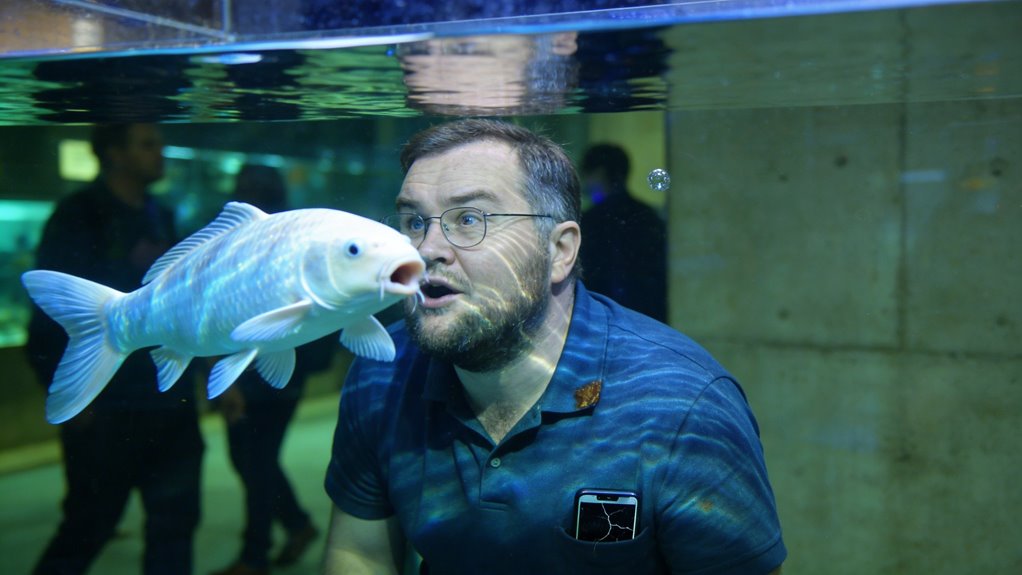
Picture a goldfish drifting near the surface, its mouth working hard, gills flapping like tiny doors in a storm.
Fish do not drown, for drowning requires lungs full of water.
Drowning belongs to lung-bearers; fish die another way entirely, their gills starved in water too poor to give.
They suffocate instead, gasping as dissolved oxygen slips below two parts per million, a thin broth compared to air’s rich two hundred ten thousand.
Aquarium filtration cleans the water, yet moving water means little without oxygen sensors to whisper when levels drop dangerously low.
Cold-blooded creatures, fish need less than you or I, but need remains need.
Their blood starves, organ by organ, in silence we might have prevented.
Drowning vs. Suffocation: The Critical Difference
How does a fish die when the air it needs hides in water that turns cruel?
Water holds far less breath than air—about 4 milligrams of oxygen in each liter—and fish must work hard to find it.
Drowning means lungs filling with liquid, but fish have no lungs to flood. Instead, they suffocate slowly, gills pumping faster as oxygen pressure drops below 2 parts per million.
Still water becomes a trap. Water turbulence—the gentle churn of filters, bubbles rising, currents moving—pushes fresh oxygen through cracks in the surface. Without this stirring, a fish wheezes in place, surrounded by wetness too thin to sustain life.
How Fish Actually Breathe Underwater
Beneath the shimmer of every stream and aquarium, four bony arches stand on each side of a fish’s head, thin as combs and busy as lungs.
These delicate gill structures branch into thousands of thread-like filaments, each lined with microscopic plates called lamellae—like pages in a tiny book soaked in water. Oxygen diffusion happens here, as dissolved oxygen passes from moving water into blood vessels, traveling the wrong way against the current for maximum harvest. This counter-current exchange feels clever, almost thrifty, like catching rain in an open hand while someone else tilts theirs away.
Why Fish Gills Make Oxygen Problems Deadly Fast
Why does running out of air kill a fish so quickly? The answer lives in the architecture of the gill itself.
A gill filament resembles a fuzzed-up feather, thousands of hair-thin threads waving like kelp in current. Each thread carries tinier flaps, lamellae, packed with blood vessels thinner than a whisper. This design maximizes surface area, but creates vulnerability. Oxygen diffusion—the invisible crossing of oxygen from water into blood—demands constant water flow. Stop that flow, through stillness or warmth or crowding, and the gill filament suffocates in minutes, not hours. The same specialization that makes fish graceful in healthy water becomes致命, deadly, when oxygen falters.
One sits at the mercy of their own excellence.
[99 words]
How to Recognize Oxygen Starvation in Fish
Watch the surface, and the fish will tell you their story.
Gasping mouths break the waterline, a desperate plea for air where oxygen depletion has made breathing underwater impossible. Behavior stress unfolds in slow, visible stages: fins clamp tight against bodies, colors fade like old photographs, and fish gather near filters or bubbles as if seeking comfort from a shared fear.
Movement becomes sluggish, then frantic, then still. Gills flutter rapidly, working twice as hard for half the reward. The observant caretaker notices these signs before death arrives, for fish speak through their bodies when words fail them, and listening belongs to those who care.
Which Tank Zones Run Out of Oxygen First
Where does the air vanish first when water holds its breath? The answer hides in layers, like blankets piled on a bed.
| Zone | Oxygen Level | What Fish Feel |
|---|---|---|
| Surface | Highest | Easy breathing, calm fins |
| Middle | Dropping | Faster gill movement, stress |
| Bottom | Lowest | Gasping, hiding, stillness |
Surface surface gradients create this ladder of air. Oxygen enters at the top, then drifts downward slowly, like sugar dissolving in cold tea. Bottom dead zones collect waste, dead plants, and too many fish breathing in one small space. The lowest level empties first, leaving some fish stranded, struggling, alone in the dark.
How Heat Removes Oxygen From Water
Heat steals oxygen from water the way a thief empties a pocket, quietly and without warning.
Rising thermal temperature quickens water molecules, crowding them together, leaving less room for dissolved oxygen. This oxygen depletion happens invisible, a silent crisis beneath the surface. The warmer the water, the faster fish must work to breathe, yet the less there is to find. They feel this struggle in their gills, a quiet panic we might recognize.
- Every degree Celsius reduces oxygen solubility by roughly two percent
- Warm water holds fewer oxygen molecules than cold water at identical pressure
- Fish metabolism accelerates just as oxygen becomes scarcer
- Surface exchange slows when thermal layers stratify the water
- Summer ponds often suffer this double bind, heat and hunger combined
How Overcrowding Triggers Mass Die-Offs
A crowded room makes every breath harder, and water works the same way.
Too many fish in one tank, called overcrow, means many mouths pulling from one small supply of dissolved oxygen. Each fish needs that oxygen to live, just like lungs need air. When stocking climbs too high, reduction happens fast. The water cannot refresh itself quickly enough. Mortality follows quietly, often at dawn when oxygen hits its lowest point. Keep tanks sparse, and fish breathe easy together. Space is kindness, measured in gallons per fin.
How Algae Blooms Cause Nighttime Oxygen Crashes
Why does a pond seem fine at sunset, yet hold death by morning?
Algae, those green floating plants, work like tiny factories. By day, they make oxygen.
By night, they breathe it back, and then some. This creates nighttime hypoxia, a word meaning “low oxygen,” when levels crash below what fish need.
The morning brings stillness, and loss.
- Dense algal mats block sunlight from reaching deeper plants
- Dead algae sink, feeding bacteria that consume remaining oxygen
- Warm water holds less dissolved oxygen than cold
- Some blooms release algae toxin, harming gills directly
- Still air prevents surface mixing that might rescue struggling fish
Understanding belongs to those who watch carefully.
Immediate Actions to Save Oxygen-Starved Fish
The morning reveals what darkness hid, and quick hands must move before the water claims what remains.
Dawn exposes night’s damage—hands must hurry before rising waters swallow what survival left behind.
When fish gasp at the surface, their gills struggle like lungs in thick fog. One cup, two cups—transfer them to clean, cool water immediately. This rapid flow alternatives method buys precious minutes.
Emergency aeration comes next: stir the surface with a spoon, twenty circles each direction, or pour water from height to trap air bubbles. A clean straw blown gently beneath the surface works when pumps fail.
These acts connect us. We become the current they need, the breath they cannot find alone.
Tank Designs That Prevent Suffocation
How does a simple glass box become a place where fish can breathe easy?
Thoughtful design transforms containers into sanctuaries where aquatic life thrives, where every curve and corner serves breathing.
- Surface design widens the water-to-air boundary, letting oxygen slip in more freely.
- Surface aeration disturbs the water’s skin, breaking the tension that traps gases below.
- Filtration efficiency keeps water clean so oxygen reaches gills unhindered.
- Flow optimization moves water steadily, preventing stagnant pockets where fish gasp.
- Tank geometry shapes currents deliberately, guiding oxygen everywhere.
- Oxygen monitoring watches levels like a careful guard, warning before danger comes.
These elements together build belonging beneath the surface.
Frequently Asked Questions
Can Fish Suffocate in Perfectly Clean Water?
Yes, fish can suffocate in perfectly clean water.
Oxygen dissolved in water, not cleanliness, matters most. Cold water holds roughly eight parts per million oxygen; warm water holds less. Even pristine water becomes deadly when overcrowded fish consume oxygen faster than surface air replenishes it. This oxygenatic hypoxia—oxygen starvation—kills silently. Water pollutants typically poison, but suffocation needs only too many gills, too little gas exchange, and patience running out.
Do Air-Breathing Fish Ever Suffocate?
Air-breathing fish, like bettas with their maze organ, can still suffocate. Their gill adaptation lets them gulp oxygen from air, but they need surface access.
If a tank lacks airspace, or water grows stagnant, even these hardy fish face trouble. Their hypoxia tolerance has limits, and without that breath of air, they expire like any other. The surface matters, always.
How Long Can Fish Survive Without Oxygen?
Most fish last only minutes without oxygen, though hyp depth—the hidden, quiet place where water holds too little air—determines survival time. A goldfish may endure four minutes in warm water, longer in cold, since metabolic rate, the speed of body processes, slows with temperature. Some carp survive half an hour in ice. Others, gulping air at the surface, last far longer, their bodies adapting to breathe differently.
Can Suffocation Cause Permanent Organ Damage?
Yes, suffocation causes organ damage. Risk organ vulnerability begins within minutes when oxygen drops below 2 parts per million. The brain, heart, and liver suffer first. Oxiadamage syndrome develops when oxygen-starved cells begin dying, creating permanent injury even if the fish survives. Recovery without lasting harm requires restoring dissolved oxygen quickly, typically within four to six minutes for many species. The window closes fast.
Why Do Fish Gasp at the Surface Even With Aeration?
Fish gasp at the surface because of gill oxygenation failure, even when bubbles rise. Warm water holds less oxygen, and crowded tanks deplete it quickly. Their surface behavior shows desperation, as they seek air where concentrations seem higher. Poor water movement leaves bottom zones stagnant. The fish feel anxiety, moving upward instinctively, though surface air rarely solves their true problem: insufficient dissolved oxygen throughout the entire tank.
Rounding Up
A fish gasping at the surface is not being dramatic—it is drowning in plain sight, water flowing past gills that cannot harvest enough oxygen to keep cells alive. The right tank, careful feeding, and watchful eyes turn tragedy into routine. Small choices, made early, keep the quiet creatures breathing.